

Elton John’s Silent Anthem: 35 Years Without the Noise
Elton John marked 35 years of sobriety not with a song, but with a confession—and in doing so, reminded us what true performance really is when no one's watching.
 Joseph BennettJuly 31, 20252 Mins read18

He built an empire out of sequins and sorrow, but Elton John’s most radical performance may be the one he’s kept behind closed doors for 35 years. No spotlight. No encore. Just silence—and survival. Sobriety, for a man who once turned chaos into chart-toppers, is a quieter kind of fame. And on the anniversary of three and a half decades without a drink, a pill, or a line, he didn’t post a selfie. He posted a memory.
In a world that measures recovery in hashtags and apps, Elton’s declaration felt more like a handwritten note left on a piano bench. “I’m finally living,” he wrote, and it didn’t feel like a platitude. It felt like a man who’s wrestled with the demons of velvet-lined dressing rooms, hotel mini-bars, and stadium roars—and who now wakes up every day choosing not to rehearse his old death.
Glitter Without the Guilt
The thing about Elton John is that he was always both spectacle and sadness, even before the drugs. But we celebrated him more for his fall than his rise. We wanted the tantrums and tiaras, the overdoses and comebacks—because nothing sells better than tragedy you can hum along to. Sobriety, by contrast, is bad television. There’s no arc. No climax. Just the long, careful rebuild of a man whose soul used to be backstage.
But that’s what makes this milestone different. It’s not Elton the entertainer who deserves the applause this time—it’s Elton the ordinary, Elton the human. The one who faced the mirror at his lowest and didn’t flinch. “I would have died,” he’s said of his life before recovery, and when you listen to Someone Saved My Life Tonight now, it doesn’t sound metaphorical anymore.
The Encore That Never Ends
What’s most haunting about Elton’s 35-year mark is how quiet it is. There’s no tour. No album. No confetti. Just the sobering realization that some victories are meant to be unphotographed. Sobriety is a rehearsal you do daily, with no promise of applause. And Elton, with his glittering gowns long since packed away, has learned to love the stage of everyday life—a husband, two children, breakfast made before noon.
In the end, the most subversive thing about Elton John is not his flamboyance but his restraint. That he could have disappeared into the excess he once wore like armor—and didn’t. That for 35 years, he’s played a private, sacred note few of us ever hear.
And maybe that’s the point. Maybe the greatest songs are the ones we never record.




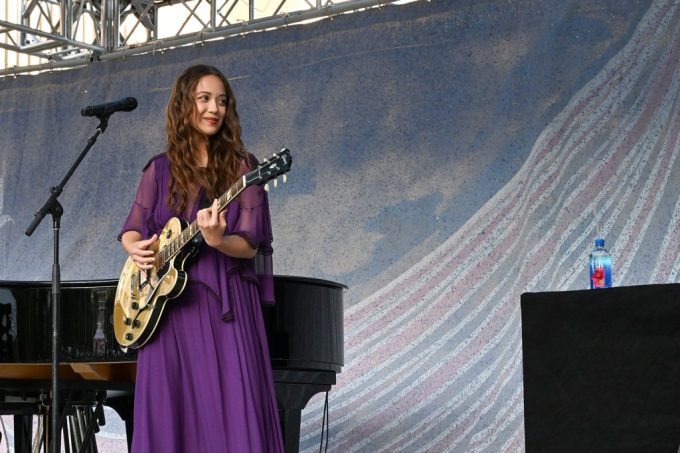
Laufey’s Opening Night Show at LA’s Crypto.com Arena: Best Moments
Laufey opened a two-night stand at Crypto.com Arena in downtown Los Angeles...
 Chris Marks6 Mins read
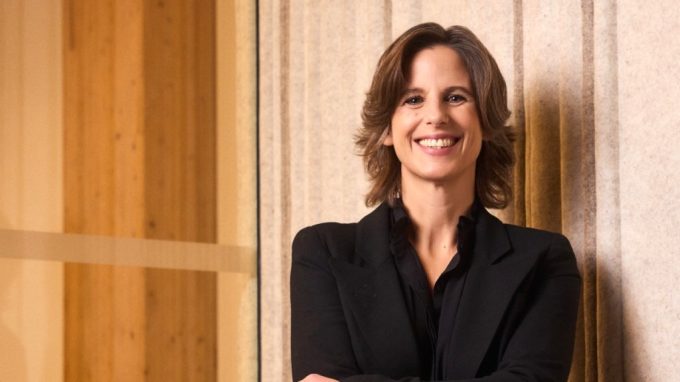
Julie Adam Is Billboard Canada Women in Music’s 2025 Exec of the Year
Julie Adam is having a milestone year — and it’s getting even...
Chris Marks4 Mins read
Spinal Tap Tribute Album with Foo Fighters,Tool for Teen Cancer America
Spinal Tap may be a fake band, but its music is very...
Chris Marks2 Mins read
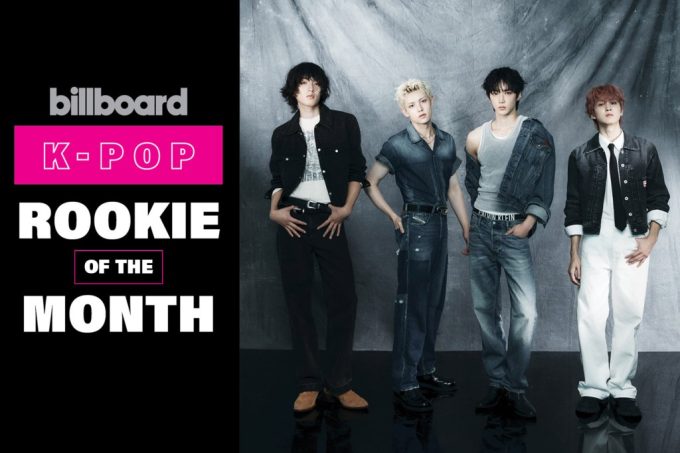
AxMxP Is K-Pop Rookie of the Month for September: Exclusive Photos
Ha Yoo Joon Image Credit: Chin Soyeon You debuted on Sept. 10....
Chris Marks2 Mins read





Leave a comment