

The Track That Haunted the Dance Floor: Eric Prydz’s Reluctant Revival
Two decades after he made “Call on Me” a global club anthem—and a meme before memes—Eric Prydz has finally played it live. But why now, and why does it still feel like a confession?
 Chris MarksJuly 31, 20252 Mins read19
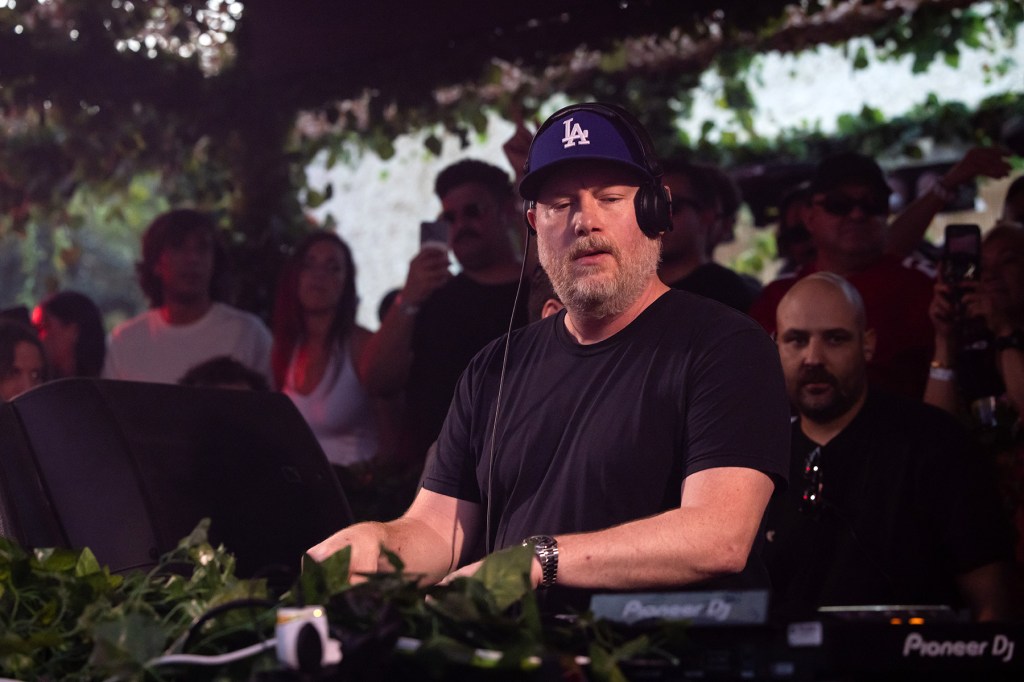
Some songs aren’t just played—they haunt. And when Eric Prydz finally dropped “Call on Me” into a live set for the first time in twenty years, the crowd didn’t just cheer. It exhaled. Like a ghost had been acknowledged.
For Prydz, the track has long been a paradox: an accidental mega-hit that once embarrassed him, immortalized by a workout-video fever dream that made it viral before we had a word for viral. But it wasn’t really his, not in the way that “Opus” or “Pjanoo” were. “I never played it, because it didn’t feel like me,” he once confessed in an interview, a subtle war between commercial fame and creative fidelity echoing beneath his sleek Scandinavian cool. It was the song that made him—and nearly unmade him.
The Beat That Wouldn’t Die
“Call on Me” is one of those tracks that lives in cultural purgatory. It was the background to countless Ibiza summers and bad decisions, spun by DJs who chased the high of the drop without hearing the weight beneath it. For Prydz, it became both mask and mirror—an image of success, but a distorted one. That he avoided it for two decades wasn’t ego. It was self-preservation.
So what shifted in 2024? Why now, at the epicenter of his HOLO show—an audio-visual temple of futurist taste—did he cue that song, that sample, that loop? Perhaps the dance music world has changed enough to reframe it, or perhaps he has. Or maybe it was always less about the crowd and more about an artist finally reclaiming the thing he once gave away too easily.
Nostalgia Isn’t Always Kind
The timing is no accident. Dance music has cannibalized its own past with eerie precision lately—Y2K fashion, trance revival, even old Daft Punk outtakes surfacing like time capsules. There’s something both thrilling and exhausting about a scene that can’t stop remixing itself.
And so Prydz, master of restraint, finally gives in. Not to please the masses, but to settle an old argument with himself. That drop hit—not as a crowd-pleaser—but as a controlled burn. It said: Yes, I made this. And no, it doesn’t define me.
Music history often elevates rebellion. But sometimes the real rebellion is playing the thing you’ve sworn off, with intention, with clarity, with teeth. It’s a kind of forgiveness—but not the soft kind.
We danced. He watched.
And maybe next time, the track will feel lighter.
Or maybe it never will.





Laufey’s Opening Night Show at LA’s Crypto.com Arena: Best Moments
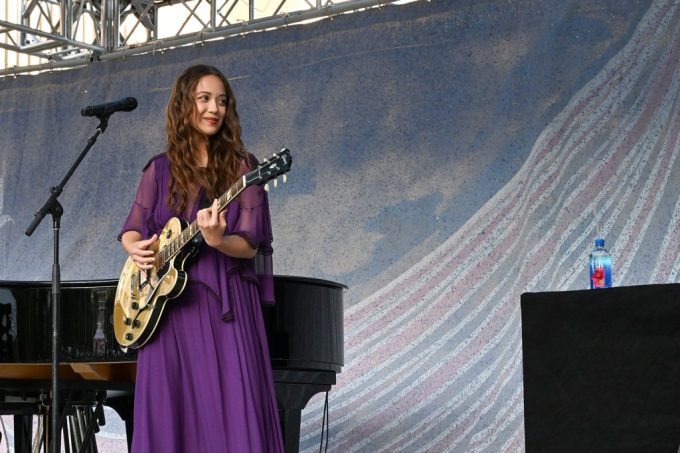
Laufey opened a two-night stand at Crypto.com Arena in downtown Los Angeles...
Chris Marks6 Mins read

Julie Adam Is Billboard Canada Women in Music’s 2025 Exec of the Year
Julie Adam is having a milestone year — and it’s getting even...
Chris Marks4 Mins read

Spinal Tap Tribute Album with Foo Fighters,Tool for Teen Cancer America
Spinal Tap may be a fake band, but its music is very...
Chris Marks2 Mins read

AxMxP Is K-Pop Rookie of the Month for September: Exclusive Photos
Ha Yoo Joon Image Credit: Chin Soyeon You debuted on Sept. 10....
Chris Marks2 Mins read




Leave a comment