

Oxford Didn’t Break Her—Hollywood Did
My Oxford Year promised romance wrapped in academia, but behind its cinematic rewrite lies a deeper story about the American fear of grief, and the industry’s allergy to ambiguity.
 Joseph BennettAugust 1, 20252 Mins read16
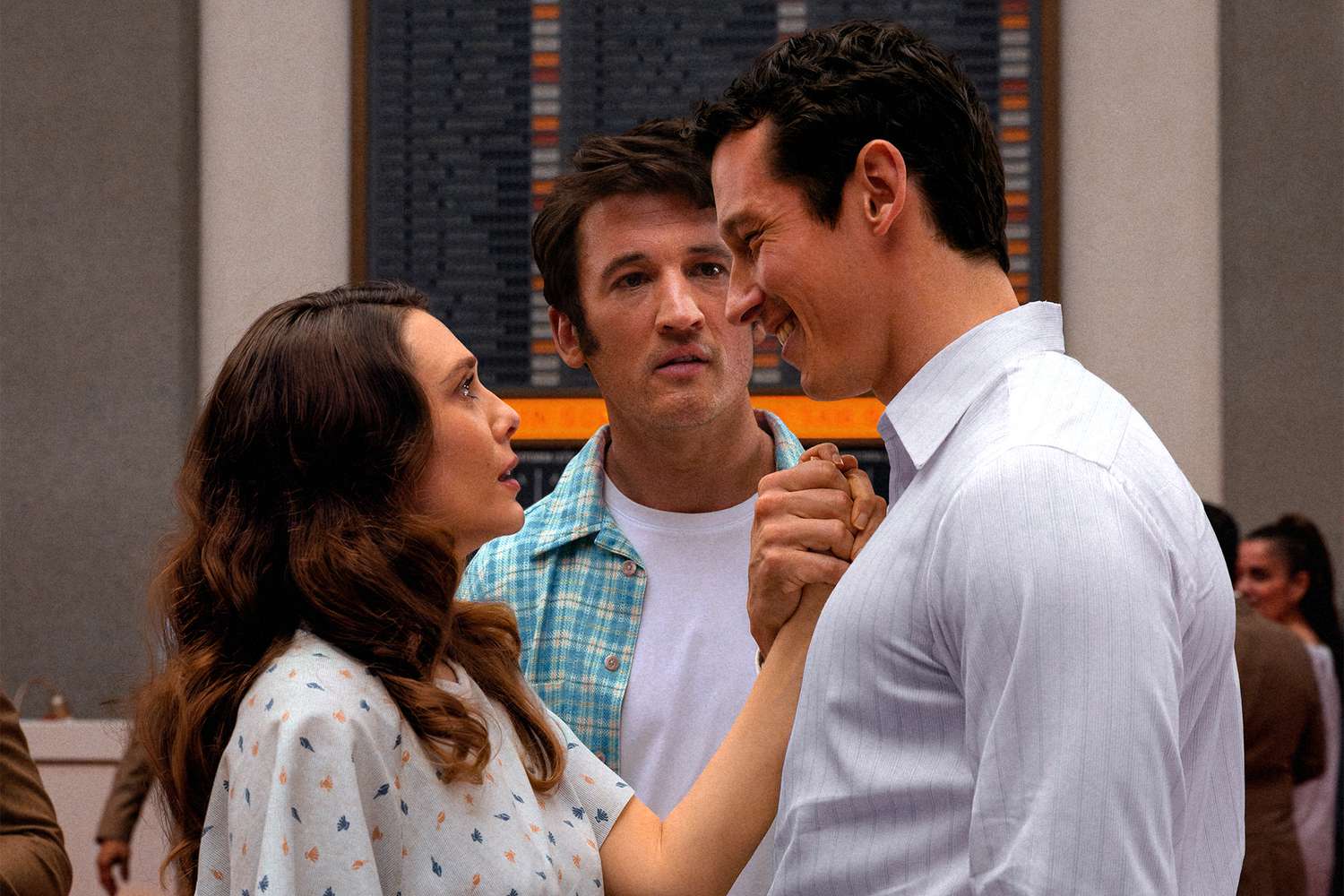
Leah Gallo/A24
She should have died. That was the ending—brutal, bold, British. And yet, as the final credits rolled on My Oxford Year, audiences found themselves staring at something far more American: hope.
The film, a sleek adaptation of Julia Whelan’s novel, had all the hallmarks of a glossy literary romance—overseas charm, star-crossed lovers, and the time-tested heartbreak of terminal illness. But in its final act, something curious happened. The tragic love story was re-skinned. Death became possibility. Closure gave way to continuity. It was not the ending the author wrote. It was the ending Hollywood required.
Why We Rewrite Sadness
The studio’s explanation was familiar, almost weary: audiences “deserve” a little joy. But what they meant was simpler. Sad doesn’t sell. Test groups fidgeted. Executives flinched. And so a character designed to unravel gracefully, with dignity and devastation, was instead patched up like a narrative afterthought.
To be clear, it’s not a crime to choose hope. But what is hope without the weight of its opposite? The book understood that. Whelan crafted a story not about loss, but through it—a character who learns that grief is not a detour, but the destination. It was quietly radical. The film, on the other hand, blinked.
Ella Duffy, who plays the protagonist’s friend in the film, said in an interview, “We really wanted to lean into love—not just romantic love, but the love of choosing to keep going.” The quote is lovely. But beneath it is a tension: love isn’t always about going forward. Sometimes it’s about letting go.
The Romance of Unfinished Things
The obsession with happy endings is, paradoxically, a refusal to grow up. Hollywood can depict murder, war, apocalypse—but a woman choosing to sit with sorrow? Too dark. Too difficult. Audiences must be protected from ambiguity, as though ambiguity were a contagion.
But what if the best romances are the ones that aren’t complete? What if the most honest stories are the ones that leave us undone? The original My Oxford Year did not offer a ribbon-tied farewell. It offered something riskier: resonance. The kind that lingers. The kind you don’t post about.
And so, we are left with another adaptation that adapted too much. Another movie where risk is replaced by resolution, and where grief—real, adult, nuanced grief—is rewritten as a plot twist we can rewind past.
Maybe she should have died. Or maybe we should have been allowed to feel what it meant if she did.






Start the New Year by Investing in Yourself – Hollywood Life
Image Credit: European Wax Center The new year is all about fresh...
 Kirsten Collins2 Mins read

Where Is Liam Conejo Ramos Now? Updates on 5-Year-Old’s ICE Detainment – Hollywood Life
Image Credit: Getty Images Liam Conejo Ramos came home from preschool while...
Kirsten Collins2 Mins read
Who Is Harry Styles’ ‘Aperture’ About? Breakdown of the Lyrics – Hollywood Life
View gallery Image Credit: Getty Images We’ve doing doing all this late...
Kirsten Collins1 Mins read
When Are the Oscars 2026? Date of the Academy Awards – Hollywood Life
Image Credit: AFP via Getty Images The Oscars are officially on the...
Kirsten Collins1 Mins read




Leave a comment