

Cam Thomas and the $6 Million Question: Loyalty, Strategy, or Something Else?
In a move that defies the NBA’s typical contract drama, Cam Thomas signs a $6 million qualifying offer with the Nets—sparking intrigue about what this rare decision reveals about player power and franchise strategy.
 Joseph BennettSeptember 4, 20252 Mins read21

The basketball world held its breath as Cam Thomas, a rising star with undeniable promise, sidestepped the usual free agency fanfare and quietly inked a $6 million qualifying offer with the Brooklyn Nets. What seems like a routine checkbox move is anything but. Beneath this veneer lies a riddle—what does this rare contract dance say about modern player agency, front office chess games, and the shadowy negotiation rooms where careers are won and lost?
Rarely do athletes step back from potential financial fireworks to accept something that feels like a pause button. Was this an act of loyalty? Or a calculated gamble—one that might pay dividends later in a market rife with unpredictability? The Nets, notoriously intricate in their roster maneuvers, seem to be crafting a narrative beyond mere dollars. Is Cam Thomas the reluctant cornerstone, or simply a pawn in a grander design?
The Quiet Power Play: When Saying ‘No’ Speaks Volumes
Cam Thomas’ decision is less about the contract number and more about the message it sends. “It’s a subtle declaration of control,” one insider mused, “a way to keep doors open without burning bridges.” In a league obsessed with headline-grabbing deals, this understated move challenges the assumption that bigger is always better.
This gesture—signing a qualifying offer—suggests a deeper story of patience and positioning. It raises the question: what happens when players resist the allure of immediate riches in favor of strategic leverage? Could this signal a new era where negotiation is about long-term value, identity, and power rather than the blunt force of dollars?
Between Risk and Reward: The Unseen Calculus
In the shadows of this seemingly modest contract lies a delicate balancing act. The Nets secure Thomas’ rights while he retains the freedom to test the waters later. It’s a dance of mutual benefit wrapped in uncertainty. What does this mean for the player’s development, confidence, and future market value? And for the Nets, does this signal trust or caution—hope or hedge?
Cam Thomas now occupies a liminal space—between proving ground and potential breakout, between loyalty and ambition. His next moves will echo far beyond Brooklyn’s hardwood floors, reverberating through the league’s understanding of contracts, value, and the evolving relationship between player and franchise.
The court is set, but the game is far from over. In the quiet of this contract, the loudest question remains: in the game of careers and contracts, who truly holds the power—the player who signs or the team that offers? Sometimes, the most intriguing plays happen not in the spotlight, but in the shadows it leaves behind.






Barcelona’s Fragile Pursuit: When Injuries Threaten More Than Just a Season
A silence spreads over Camp Nou that no roar can drown out—two...
 Chris Marks2 Mins read

William Saliba: Arsenal’s Silent Architect or Its Greatest Gamble?
The air inside the Emirates shifts with unspoken tension—William Saliba, once a...
Joseph Bennett2 Mins read
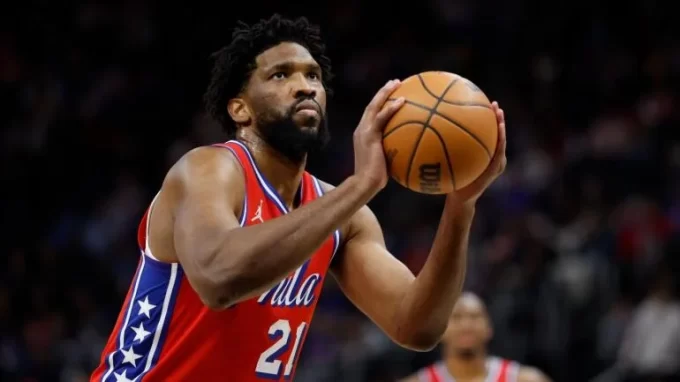
Joel Embiid’s Quiet Confidence: Is the 76ers’ Giant Ready to Rewrite His Story?
Joel Embiid is rarely one to make noise without purpose, and now,...
 Kirsten Collins1 Mins read
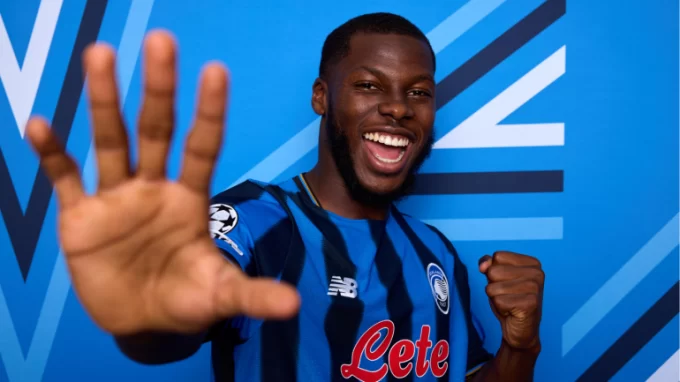
Juventus, Atalanta, and Arsenal’s Quiet Revolution: What’s Really Shaping This Week in Football?
The roar of Serie A stadiums masks a subtle shift, one that...
Kirsten Collins2 Mins read


Leave a comment