

The Hand That Could Shift a Season
Eugenio Suárez took a fastball to the hand—and walked away clean. But behind the clean X-rays is a messier question: how much can one man's bones be worth in a market of desperation?
 Krista FreelandJuly 29, 20252 Mins read21
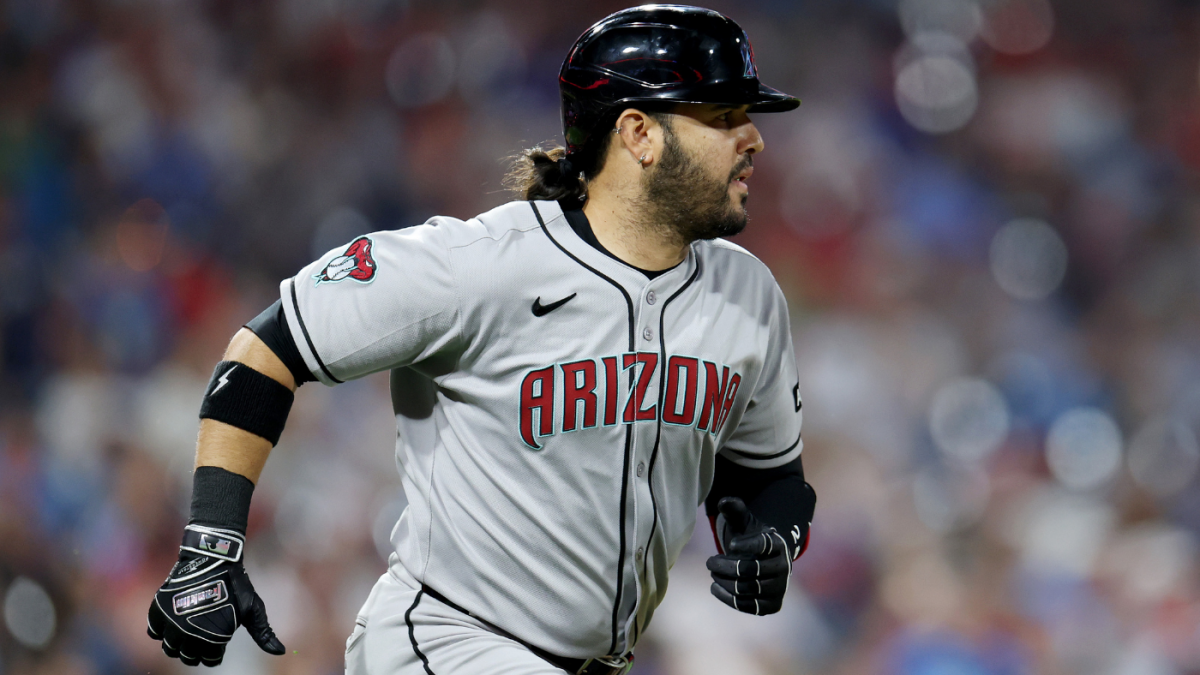
The crack wasn’t wood—it was leather on flesh. A 92-mph fastball grazed reality as it smacked Eugenio Suárez’s left hand, and for a moment, all of Arizona exhaled like something sacred had just cracked open. The crowd at Chase Field froze in the way only a fanbase watching its most valuable chess piece suddenly look mortal can. But the X-rays? Clean. And yet, the implications are anything but.
Because in baseball, health isn’t just anatomy—it’s equity. Suárez isn’t just a third baseman; he’s one of the most tradeable men in baseball, a deadline darling with just enough power, just enough experience, and now… just enough drama. A perfect storm for teams buying hope on credit.
Bones, Dollars, and Deadlines
Nothing disrupts the illusion of control quite like a broken hand—or the threat of one. Even the cleanest test results can’t cleanse the hesitation now circling him like buzzards. For front offices poised to bid, the question isn’t just “is he healthy?” but “is he safe enough to risk the future on?”
What’s eerie is how quiet Suárez remained after it happened. No dramatics, no limping. Just a glove removed, a glance at the dugout, a whisper of grimace. “It’s just a bruise,” he said later, casually, like someone deflecting from something larger. He may not be limping, but the trade window might.
And yet, silence has its own kind of volume. It makes every scout look twice, every exec think deeper. Because while Suárez’s body may have survived that pitch, the trust around him—unspoken but razor-sharp—isn’t so easily measured. Not when you’re trading not just for performance, but for certainty.
The Fragility of Value
We rarely say it aloud, but MLB’s trade deadline is less about sport and more about theater. Panic masquerading as strategy. And in that theater, Suárez just became both actor and plot twist. Still batting. Still hustling. But now cast under the eerie light of “what if?”
Every year, someone becomes the name. This July, Suárez might still be it. But now he’s the name with an asterisk, the one GMs squint at under fluorescent war-room lights. His value isn’t just measured in WAR or OPS—it’s in how many execs can talk themselves out of worry.
Perhaps that’s the new power play in baseball. Not in home runs, but in haunting the algorithms that calculate risk. Suárez isn’t broken. Not yet. But neither is he pristine. And maybe that’s why he’s suddenly more interesting than ever. Not because he’s fine—but because he might not be.





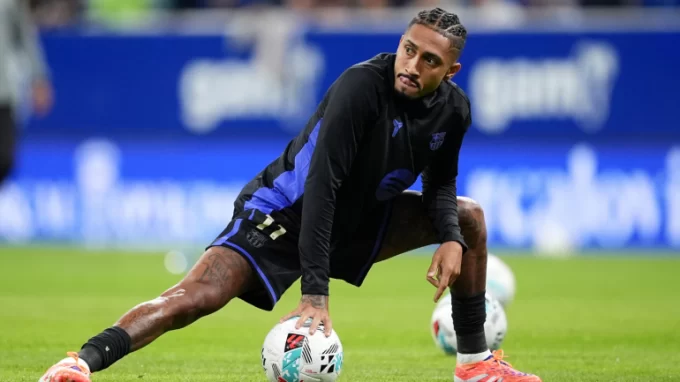
Barcelona’s Fragile Pursuit: When Injuries Threaten More Than Just a Season
A silence spreads over Camp Nou that no roar can drown out—two...
 Chris Marks2 Mins read
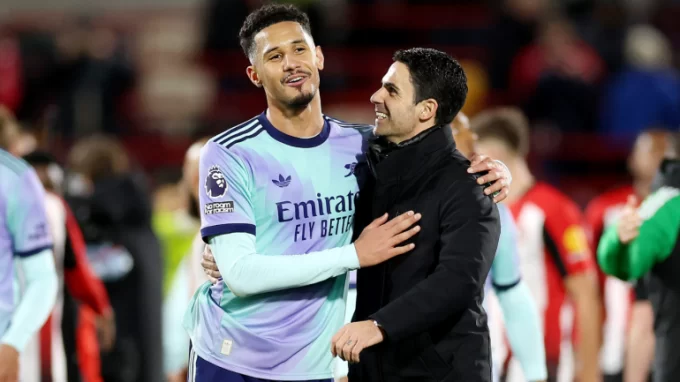
William Saliba: Arsenal’s Silent Architect or Its Greatest Gamble?
The air inside the Emirates shifts with unspoken tension—William Saliba, once a...
 Joseph Bennett2 Mins read
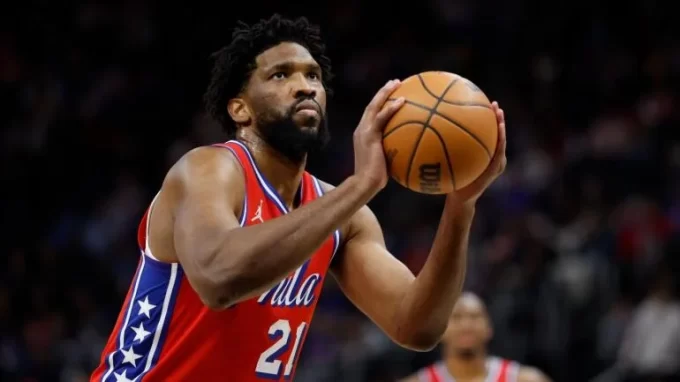
Joel Embiid’s Quiet Confidence: Is the 76ers’ Giant Ready to Rewrite His Story?
Joel Embiid is rarely one to make noise without purpose, and now,...
 Kirsten Collins1 Mins read
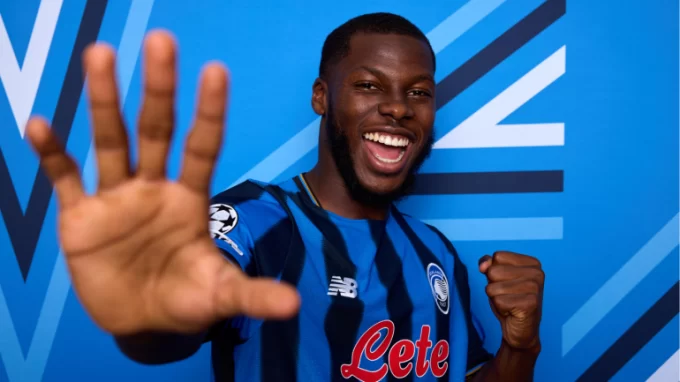
Juventus, Atalanta, and Arsenal’s Quiet Revolution: What’s Really Shaping This Week in Football?
The roar of Serie A stadiums masks a subtle shift, one that...
Kirsten Collins2 Mins read





Leave a comment