

From Waiting to Leading: The Radical Rebirth of the Disney Princess
What began as tales of passive beauty has blossomed into a lineage of complex, culturally rich heroines—yet as Disney reinvents its princesses, we must ask: are we witnessing genuine transformation or subtle nostalgia repackaged?
 Krista FreelandJune 22, 20251 Mins read16
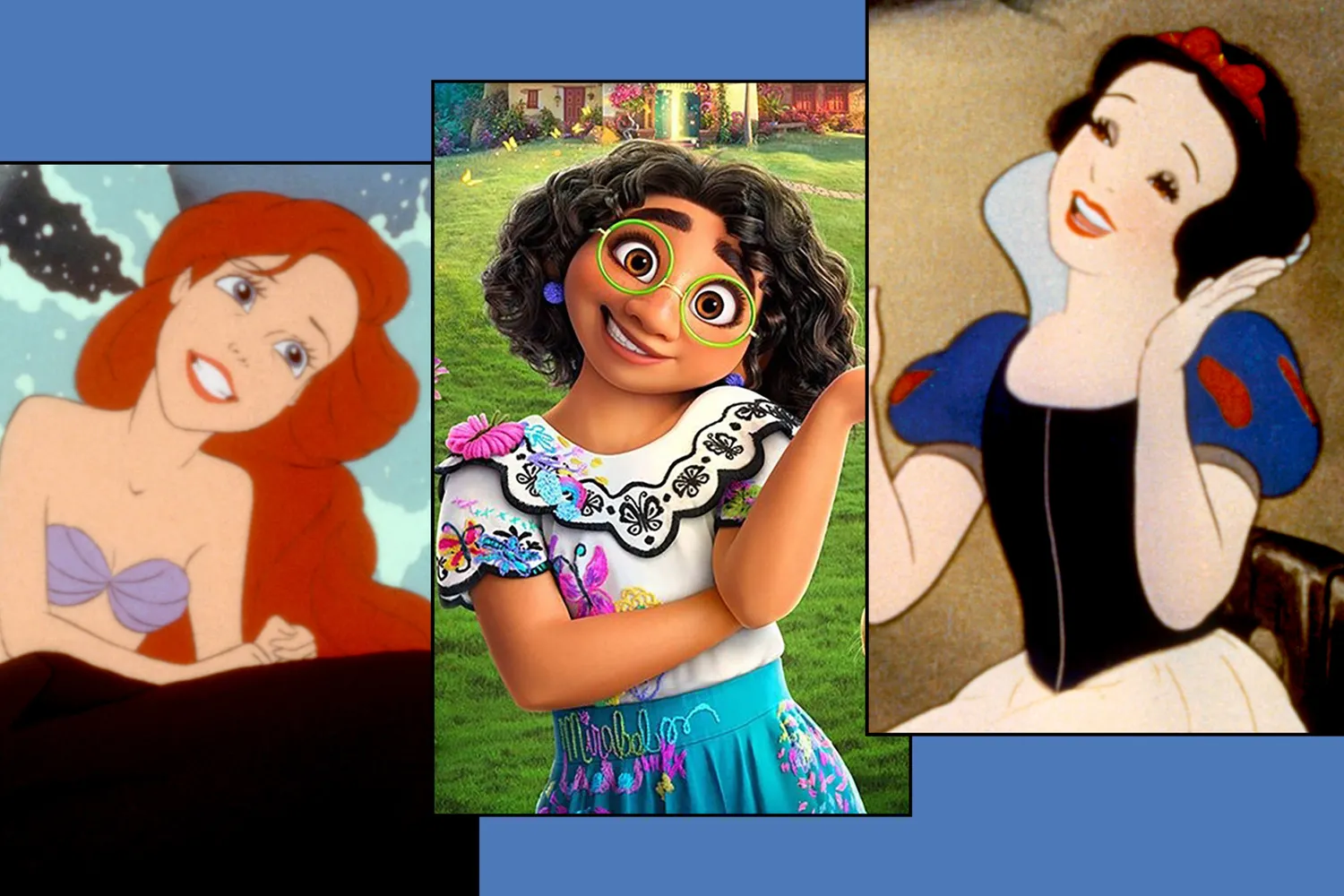
A single glass slipper once defined a princess—now moana navigates oceans, merida shatters expectations, tiana builds her own empire. Disney’s princesses have been reborn—not just as beauties waiting, but as women who act, lead, and question. Yet with each milestone, questions echo: how much has truly changed?
The glittering skepticism lies in the details. Entertainment Weekly traces a nearly century-long pivot from Snow White’s sweet passivity to Moana’s fierce resilience. Yet other studies—like those revealing male characters still dominate dialogue time—remind us that empowerment isn’t only what they do, but the weight of their voice.
Not Just a Pretty Face
The Renaissance era—Ariel, Belle, Jasmine—taught girls that intelligence, ambition, and defiance mattered. And the Revival era—Tiana, Rapunzel, Merida, Moana, Raya—intentionally eschewed romance, celebrating culture, agency, and bravery. Backed by research showing princess engagement increasingly fosters egalitarian views and positive body image among kids. these shifts carry real-world weight.
Who’s Writing the Story?
Yet representation isn’t just onscreen—it’s behind the scenes. Writers like Linda Woolverton have reshaped Disney’s narrative palette, crafting proactive heroines in Beauty and the Beast and Alice in Wonderland. Still, Emily critiques—like lack of body diversity and cloned 3D aesthetics—remind us that progress can feel surface-level.
Disney’s modern princesses are richer, braver, and more varied—but they emerge from a legacy tangled with stereotypes and unbalanced dialogue. Are we embracing true diversity, or simply repackaging iconic imagery for contemporary taste?






Where Is Lawrence Jones on ‘Fox & Friends’? Health Update Amid Hiatus – Hollywood Life
Image Credit: Getty Images Fans of Lawrence Jones, a Fox & Friends...
 Kirsten Collins1 Mins read
Who Is Lexi Minetree? 5 Things to Know About the ‘Elle’ Series Actress – Hollywood Life
View gallery Image Credit: Getty Images for Hello Sunshine Lexi Minetree plays...
Kirsten Collins2 Mins read
Release Date, Cast & Updates on ‘Elle’ – Hollywood Life
View gallery Image Credit: Courtesy of Prime Video What, like producing a...
Kirsten Collins2 Mins read

Updates on Academy Award Nominations – Hollywood Life
Image Credit: Warner Bros. Pictures Awards season kicked off earlier this month,...
Kirsten Collins2 Mins read



Leave a comment