

When Silence Strikes Back: The Ban That Echoes Beyond the Diamond
A fan’s cruel heckle aimed at Diamondbacks’ Ketel Marte over his late mother wasn’t just a moment of poor taste—it sparked a sweeping MLB ban. But what does this say about the boundaries of fandom, justice, and the game’s unwritten rules?
 Joseph BennettJune 25, 20252 Mins read23
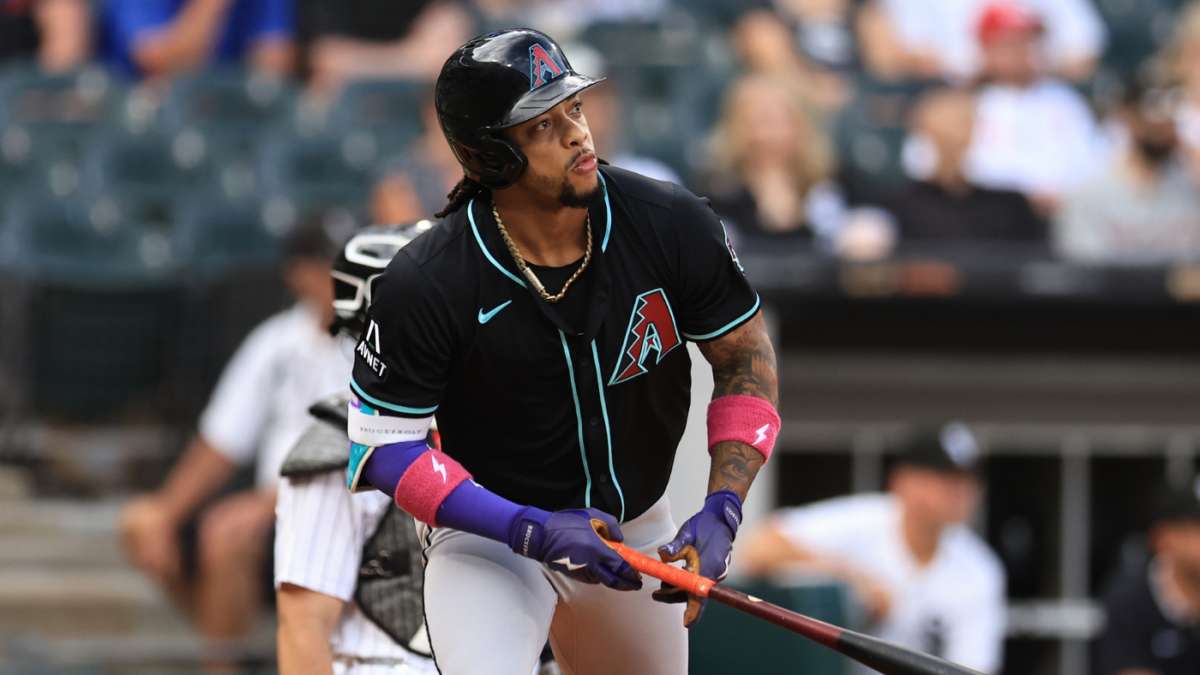
The silence after a cruel taunt is louder than any cheer. At a moment when Ketel Marte stood at the plate, carrying the weight of a personal tragedy—the recent loss of his mother—a fan’s venomous heckle shattered the fragile boundary between spectator and human. The response? An indefinite ban from all MLB stadiums for that fan, a rare move that ripples far beyond one game, one player, one incident.
This isn’t just about a single outburst. It’s a question of what sportsmanship truly demands in an era where fans’ voices can drown out empathy. Where is the line between passionate support and unforgivable cruelty?
The Sharp Edge of Fandom
At first glance, baseball is a theater of tradition, of rituals steeped in decades of communal joy and heartbreak. Yet, the rawness of a fan’s taunt, targeting the very core of a player’s vulnerability, exposes an unsettling undercurrent. What compels a person to cross from cheering to weaponizing grief? It’s a reminder that the stadium is not just a place of celebration but also a stage for human complexities—where anonymity sometimes fuels the worst impulses.
One observer noted, “There’s a haunting silence when the crowd realizes their voice can wound deeper than the ball ever could.” This ban, while punitive, is a rare declaration that some lines are not to be crossed.
Justice or Gesture?
MLB’s decision to ban the fan indefinitely raises uncomfortable questions about justice in sports. Is this a firm stance that sets a precedent, or a symbolic gesture to appease an outraged public? The league’s swift action suggests a shift—a growing intolerance for toxic fandom—but does it reach deep enough to change the culture?
And what of Ketel Marte himself? His resilience on the field, under scrutiny and grief, frames this incident as more than an isolated cruelty. It’s a mirror held up to the sport’s soul. How do leagues protect their players when the biggest threats come not from the opposition, but from their own spectators?
The echo of that ban reverberates through every stadium, every game, every whispered conversation about fan conduct and respect. It challenges us to reconsider what we accept in the name of fandom—and what remains unforgivable.
In a sport defined by the sound of bat meeting ball, sometimes the quiet aftermath reveals the loudest truths. What will happen the next time the crowd’s roar turns sour?






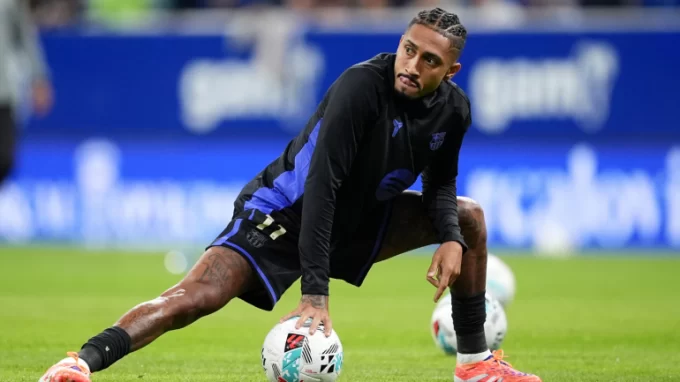
Barcelona’s Fragile Pursuit: When Injuries Threaten More Than Just a Season
A silence spreads over Camp Nou that no roar can drown out—two...
 Chris Marks2 Mins read
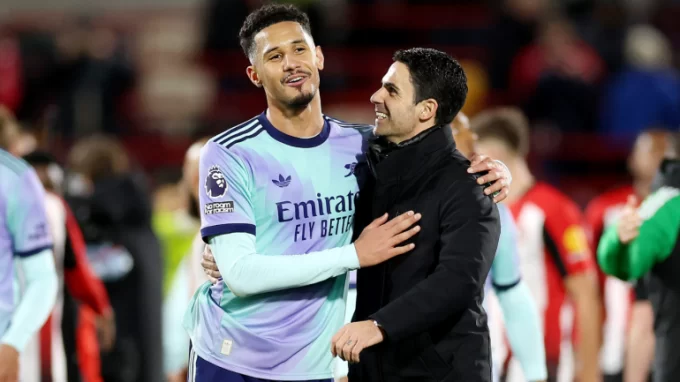
William Saliba: Arsenal’s Silent Architect or Its Greatest Gamble?
The air inside the Emirates shifts with unspoken tension—William Saliba, once a...
Joseph Bennett2 Mins read
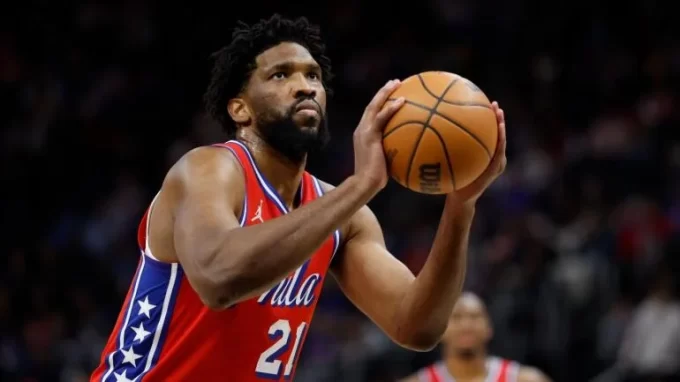
Joel Embiid’s Quiet Confidence: Is the 76ers’ Giant Ready to Rewrite His Story?
Joel Embiid is rarely one to make noise without purpose, and now,...
 Kirsten Collins1 Mins read
Juventus, Atalanta, and Arsenal’s Quiet Revolution: What’s Really Shaping This Week in Football?
The roar of Serie A stadiums masks a subtle shift, one that...
Kirsten Collins2 Mins read


Leave a comment