

Fanatics’ $100 Safety Net: Bet Bold or Bet Trapped?
Fanatics Sportsbook offers an intriguing safety net—up to $100 back in FanCash if your bet loses on every NFL game day. But is this cushion a genuine boon or just another layer in the high-stakes dance of modern sports betting?
 Krista FreelandAugust 22, 20251 Mins read22
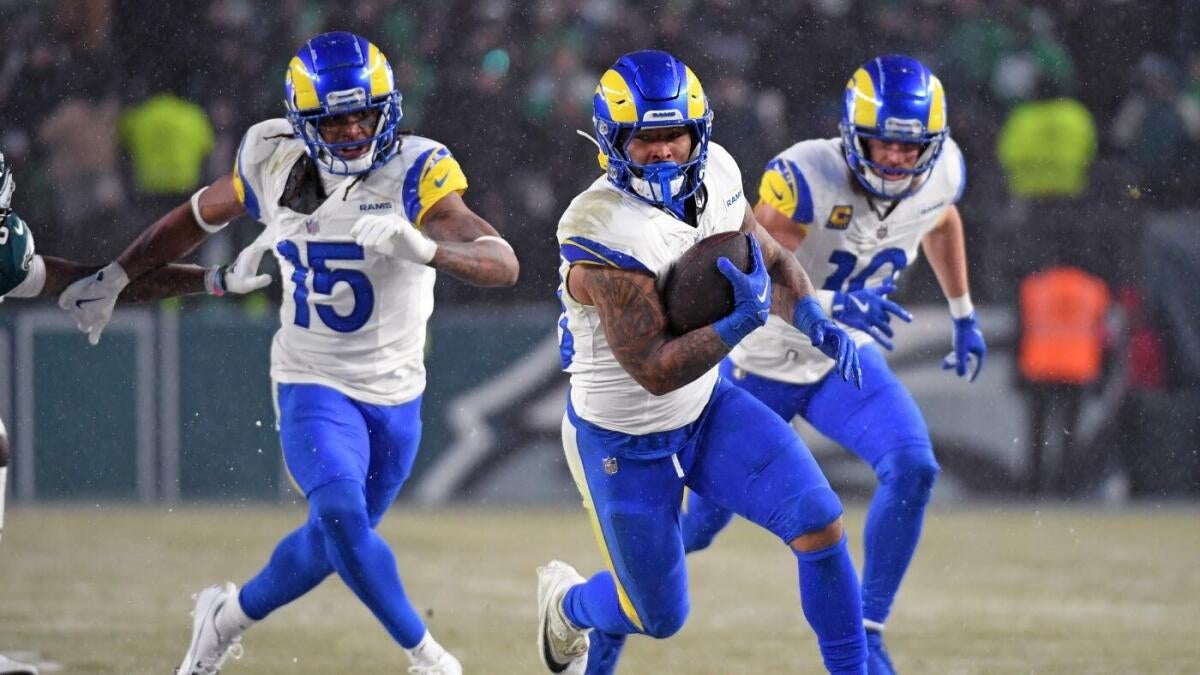
A wager lost is a lesson learned—or so they say. But what if the loss isn’t quite a loss? Fanatics Sportsbook throws a lifeline this NFL season: bet on any game day and if your bet fails, you get up to $100 back in FanCash. It feels generous, almost too good to be true. So, what’s the real cost of this cushion?
In the arena of modern sports betting, every offer carries a secret calculus. It’s not just about winning or losing anymore; it’s about the invisible strings tugging at our impulses, wrapped in the soft glow of “risk-free” bets.
When Safety Nets Become the New Thrill
The promise of cashback blurs the sharp edges of risk. Fans are encouraged to play bigger, bolder, convinced that losses come with a safety net. But who benefits from this dance?
A longtime bettor confided, “Fanatics’ FanCash feels like a safety blanket, but it’s a velvet rope tying you to the platform, making you bet again and again.” The question lingers—does this generosity breed confidence, or cultivate dependency?
The Mirage of Control in a World of Odds
In theory, reclaiming your money softens the blow of defeat. But FanCash isn’t cash—it’s a token bound to the sportsbook’s ecosystem, a currency that must be spent where they say, not where you want. Is this freedom, or just another form of control disguised as generosity?
It’s a paradox. The more “protected” the bettor feels, the more they might chase elusive wins, caught in a cycle where risk is real, but loss is merely deferred.
Betting has evolved into a game within the game, a nuanced psychological play where incentives come dressed as kindness. Fanatics’ offer beckons with the promise of safety, but the shadows it casts reveal a deeper question: are we truly in control, or just actors in a well-scripted performance?
The scoreboard counts points, but the real score might be in how willingly we buy the illusion. And just like that, the line between risk and reward dissolves—leaving us to wonder who really wins when the house’s generosity is never quite free.





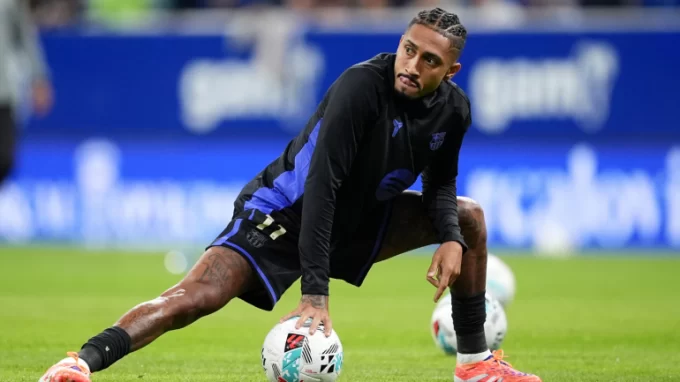
Barcelona’s Fragile Pursuit: When Injuries Threaten More Than Just a Season
A silence spreads over Camp Nou that no roar can drown out—two...
 Chris Marks2 Mins read
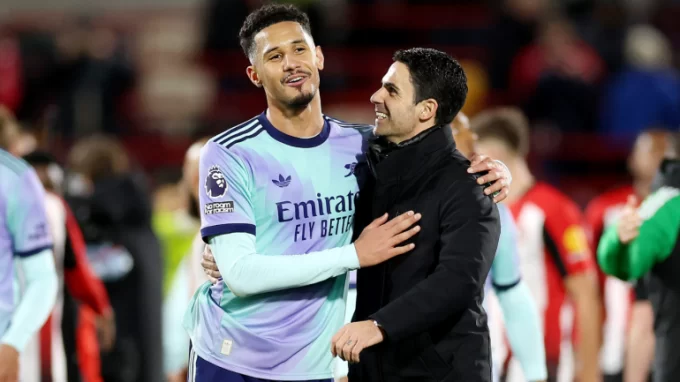
William Saliba: Arsenal’s Silent Architect or Its Greatest Gamble?
The air inside the Emirates shifts with unspoken tension—William Saliba, once a...
 Joseph Bennett2 Mins read

Joel Embiid’s Quiet Confidence: Is the 76ers’ Giant Ready to Rewrite His Story?
Joel Embiid is rarely one to make noise without purpose, and now,...
 Kirsten Collins1 Mins read
Juventus, Atalanta, and Arsenal’s Quiet Revolution: What’s Really Shaping This Week in Football?
The roar of Serie A stadiums masks a subtle shift, one that...
Kirsten Collins2 Mins read





Leave a comment