

Betting on the Illusion
FanDuel’s latest MLB promo promises a $150 bonus for a mere $5 wager—but beneath the glitter of digital generosity lies a deeper gamble. When the game becomes the gateway, who’s really keeping score?
 Chris MarksAugust 4, 20252 Mins read20
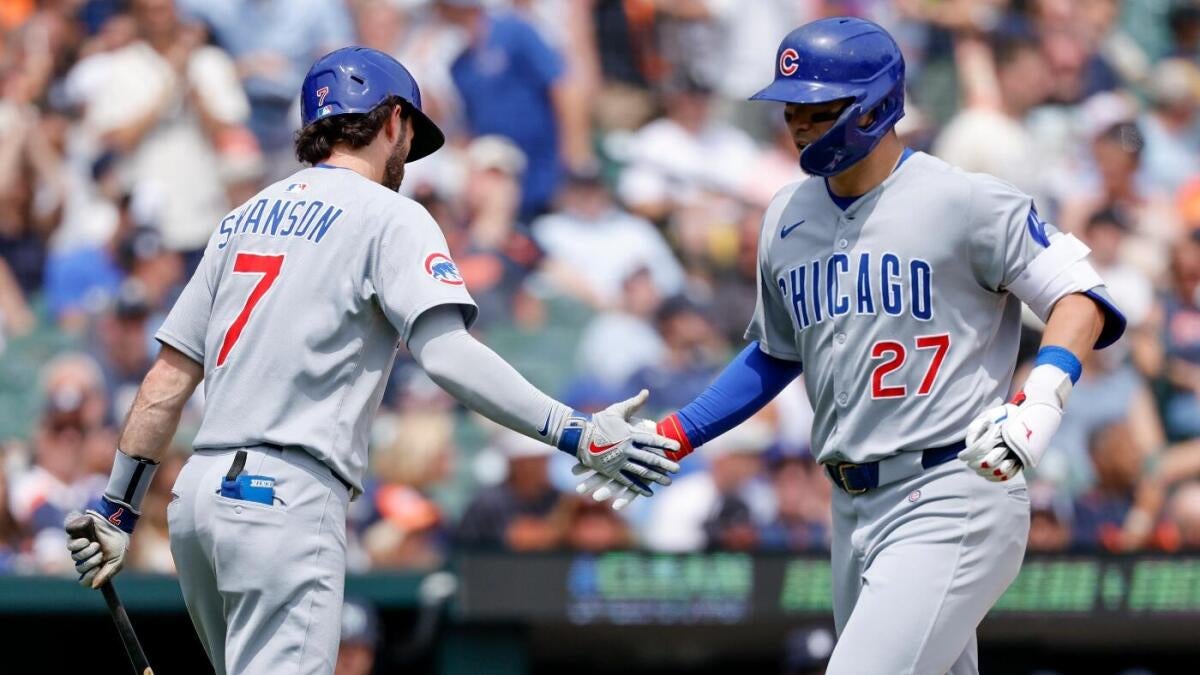
It’s never just five dollars. Not when it’s dressed in the costume of opportunity and lit by the soft glow of digital fortune. Not when the promise reads like a whisper from the future: Bet $5. Win $150. Just like that.
Monday’s Major League Baseball lineup might as well be a parade of sirens—each pitch a lure, each inning a gamble cloaked in statistics and hope. FanDuel isn’t just offering odds anymore. It’s offering storylines. And this week’s headline? A promo code that makes the illusion feel riskless. But when gambling is packaged as benevolence, what’s left to believe in?
The New American Pastime Isn’t Baseball
Baseball used to be about superstition, silence between pitches, and the occasional hot dog theology of the seventh inning stretch. Now it’s metrics, odds, cashouts, and screens. The rhythm remains—but the purpose has shifted. Betting isn’t an accessory to the game. It is the game.
A soft voice on a targeted ad reminds you: you’re not gambling. You’re activating. Enhancing. Participating. But participation has a price. “It’s not about losing,” a FanDuel user once said over a Reddit thread, “it’s about keeping the streak alive.” There it is—the subtle transformation of economics into ego. Of chance into religion.
Promos like this blur the line between reward and recruitment. A $5 bet no longer costs $5—it costs your attention, your repetition, your ritual. You’re not placing a bet. You’re becoming part of a system that is designed not to dazzle you with outcomes, but to keep you returning to the screen.
The Architecture of Almost
It’s no accident that these offers land on Mondays—when the week is long, the wallet thin, and the hope of a turnaround is strongest. They know when to tap you. When the algorithms sense longing, boredom, or bravado.
A bonus isn’t a gift. It’s bait. And bait works best when the hunger is silent. Ask anyone who’s lost more than they planned: it didn’t start with recklessness—it started with five dollars. Just five.
But the question remains: if everyone wins the first time, what are they really betting on the second? Or the fiftieth?
Maybe that’s the point. Maybe the house doesn’t need to win every hand, just the ones you thought were yours.
And maybe, just maybe, the real gamble isn’t the game—it’s the belief that you were ever in control to begin with.







Barcelona’s Fragile Pursuit: When Injuries Threaten More Than Just a Season
A silence spreads over Camp Nou that no roar can drown out—two...
Chris Marks2 Mins read

William Saliba: Arsenal’s Silent Architect or Its Greatest Gamble?
The air inside the Emirates shifts with unspoken tension—William Saliba, once a...
 Joseph Bennett2 Mins read

Joel Embiid’s Quiet Confidence: Is the 76ers’ Giant Ready to Rewrite His Story?
Joel Embiid is rarely one to make noise without purpose, and now,...
 Kirsten Collins1 Mins read
Juventus, Atalanta, and Arsenal’s Quiet Revolution: What’s Really Shaping This Week in Football?
The roar of Serie A stadiums masks a subtle shift, one that...
Kirsten Collins2 Mins read





Leave a comment