

The Avatar Returns, But Not For Peace
Avatar: The Last Airbender – Fire and Ash isn't just a sequel—it’s a warning. The balance we once believed in is cracking, and this time, the Avatar may not be enough to hold it together.
 Kirsten CollinsJuly 28, 20252 Mins read26
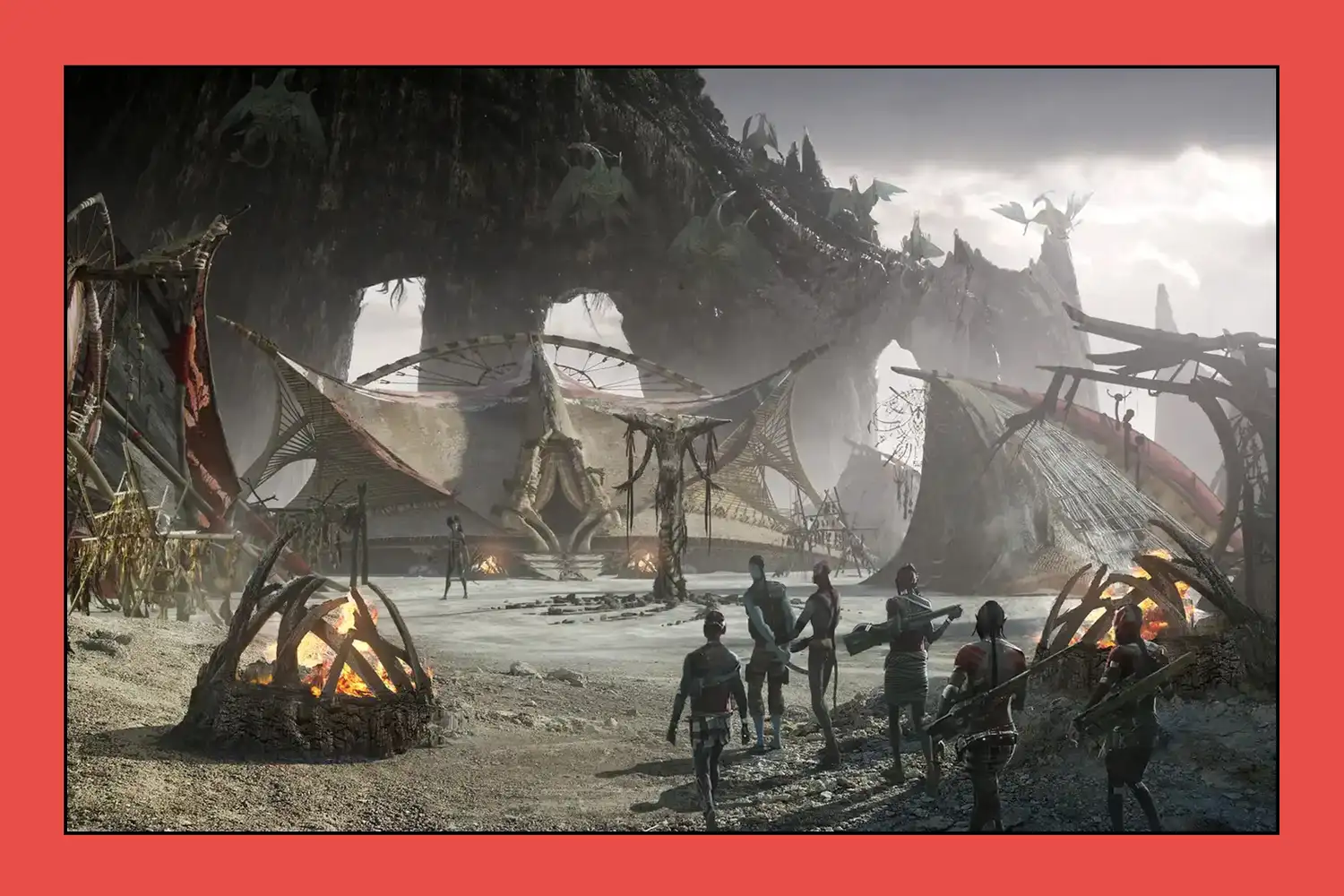
The first flame doesn’t burn. It waits. Like a secret. Like a lie told so long ago, we’ve forgotten who it was meant to protect. That’s the atmosphere of Avatar: The Last Airbender – Fire and Ash, the highly anticipated sequel from Avatar Studios, now finally confirmed for 2025. It isn’t returning to the world we remember. It’s entering one where the embers never really died—and the smoke is political.
The cast has been revealed. The trailer dropped like a spark on dry kindling. But the real story isn’t in the plot teasers or character returns. It’s in the tone. Stark. Cinematic. Wounded. This isn’t nostalgia dressed in new animation—it’s continuity with consequences. The Avatar may be back, but the question no one seems ready to ask is: what if the world has moved on without them?
Balance, Burned Into Memory
The Ash Clan. Varang. Forgotten names now whispered with reverence or fear. With the arrival of these new figures—rooted in Fire Nation history but shaded in exile—the series seems poised to finally confront the cost of its own mythology. Not all peace is justice. Not all villains are wrong.
The official synopsis hints at “emerging threats” and a fractured post-war order, but what lingers in the trailer is something more human: disillusionment. A world tired of cycles. A people who no longer see the Avatar as salvation, but as a relic. “No one saves us anymore,” a voice mutters in one haunting clip, “we just survive.” That one line might as well be the show’s thesis—and a mirror to the world watching it.
Even the animation has changed. It’s bolder, heavier. The colors are richer, yes, but the shadows are longer. This is a world that doesn’t just need balance—it resents the idea of it. Harmony has become a performance, and peace, it seems, was always conditional.
The Avatar Has Entered the Age of Doubt
What does it mean to inherit a role that no longer inspires faith? That’s the burden carried by the next Avatar—and by extension, the audience. The era of perfect heroes is over, and Fire and Ash seems determined to peel the paint off the mural. Yes, the Avatar can bend the elements. But can they bend a world that refuses to trust?
The casting choices, from Varang to new faces across every nation, hint at a broader canvas—one less obsessed with nostalgia and more interested in consequence. This isn’t about reuniting the gang. It’s about finding out what happens when even the most sacred stories are questioned. And isn’t that the point of legacy? To eventually become uncomfortable?







How Much Money the Fighter Makes – Hollywood Life
Image Credit: Zuffa LLC via Getty Images Ronda Rousey is making her...
Kirsten Collins2 Mins read

What Happened, Was it Hacked & More – Hollywood Life
Image Credit: Moment Editorial/Getty Images Stryker, a Michigan-based medical device production company,...
Kirsten Collins1 Mins read
Release Date, Cast & More – Hollywood Life
Image Credit: Mike Tompkins/AcornTV Brooke Shields is pulling double duty with her...
Kirsten Collins1 Mins read
How to Watch & More About the Timothée Chalamet Movie – Hollywood Life
Image Credit: GC Images Gwyneth Paltrow and Timothée Chalamet star in the sports...
Kirsten Collins2 Mins read



Leave a comment