

Is James Gunn Building a Metropolis or Just Playing With Capes?
The new Superman isn't just about saving the world—it's about saving a studio. James Gunn’s next super-family might not wear capes at all. Or worse: they might.
 Kirsten CollinsAugust 7, 20252 Mins read16
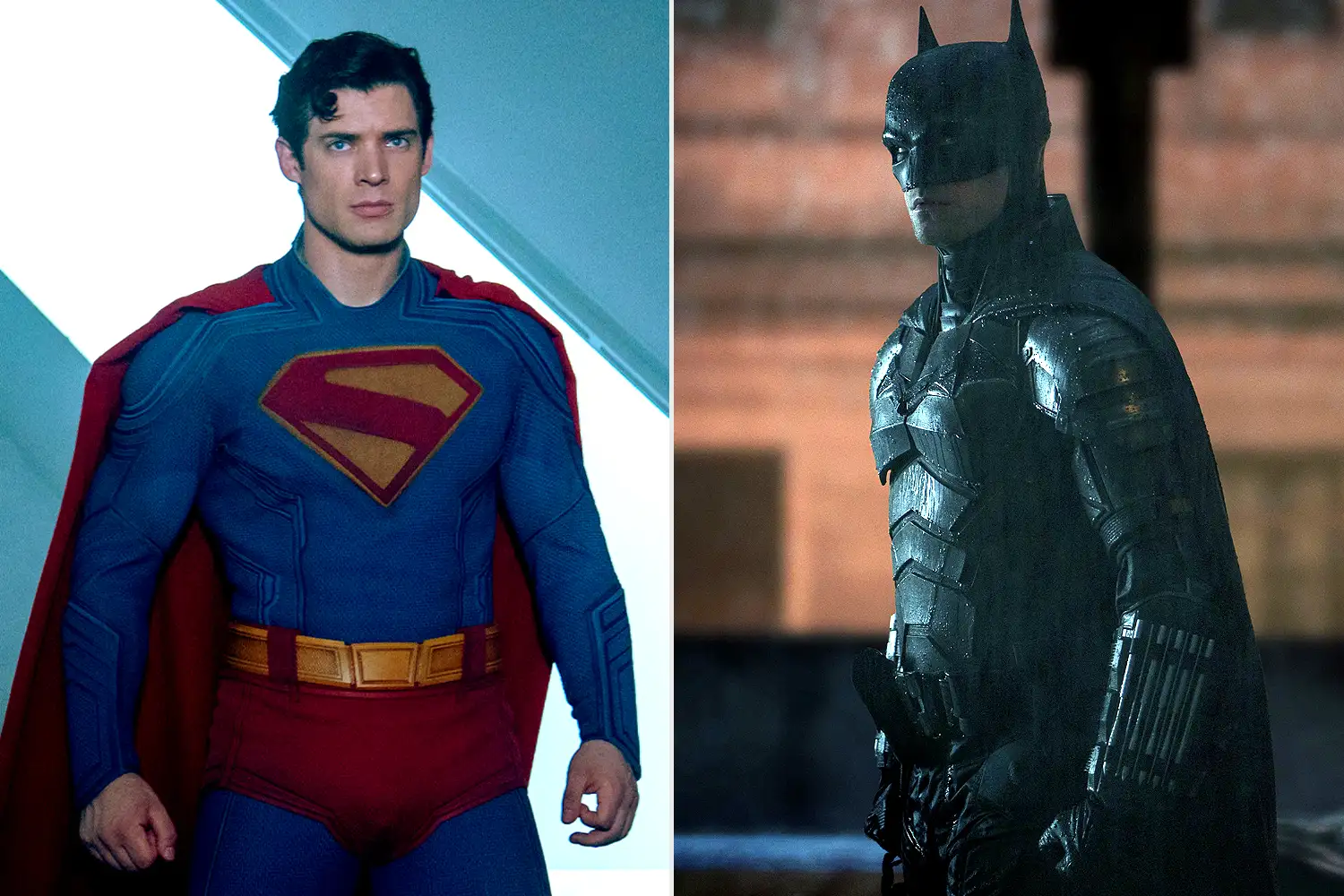
A man in tights has never felt so serious. As Hollywood simmers in a post-strike, post-superhero hangover, James Gunn is playing the long game—somewhere between reboot and redemption, between the spectacle of legacy and the fine print of a franchise Hail Mary. Superman, a name heavy with more than just myth, is back on the drafting table. And in Gunn’s DC, it’s not just the Man of Steel who’s being reimagined—it’s the entire idea of what a “super-family” even means.
The official line is cheery enough: filming begins in spring, David Corenswet is our next clean-cut savior, and Rachel Brosnahan might just give Lois Lane teeth. But beneath the press release polish, there’s an undercurrent of desperation—because this isn’t a creative pivot. It’s a cultural power struggle. Gunn isn’t simply resurrecting characters; he’s gambling with a broken cinematic universe in hopes of making it coherent. Again.
America Loves a Superhero Until He Starts Reflecting Us
The uncomfortable truth? Superman is a hard sell in 2025. He’s earnest in an age of irony, morally clear in a world that thrives on gray zones, and uncomfortably optimistic in a film economy built on trauma porn. Marvel is folding into itself like an aging rock band playing its 17th comeback tour. Meanwhile, Batman has become a luxury brand, spawning gritty iterations like cologne: dark, brooding, limited edition.
And here comes Gunn, helming not just Superman but curating an entire super-family. The language reeks of recalibration—“family” is safer than “franchise.” It conjures warmth, not box office pressure. But do we want our superheroes domesticated? “They’re trying to inject heart into a system designed to sell action figures,” said one studio insider, half-laughing, half-resigned. “It’s like painting a Walmart aisle in pastel.”
The Capes Are Getting Crowded—and That’s the Point
Gunn’s bet seems less about who flies and more about who stays standing when the credits roll. If Superman: Legacy lands, it paves the way for interconnected spinoffs, The Authority, Supergirl, and inevitably another Batman in the wings—The Batman 2 quietly circling for 2026 like a brooding falcon. But if it flops, it won’t just be a failed film. It will be a symptom of a system that doesn’t know how to grow up without growing stale.
In the meantime, fans are left deciphering breadcrumbs—casting announcements disguised as strategy, costume reveals masquerading as plot. The paradox is stunning: the more these movies try to be “about something,” the more they feel like they’re about everything except themselves. Legacy. Belonging. Morality. IP monetization.
There’s a strange hollowness at the heart of all this—like watching a symphony play from sheet music we’ve already memorized. Gunn’s vision might be earnest. It might even be necessary. But it’s hard to shake the feeling that we’re not building a future. We’re just carefully redecorating the ruins of the last one.
And so the question lingers in the credits before the mid-credits scene: when the dust settles, will we be watching Superman fly—or just watching ourselves trying to believe again?






Who Is Lexi Minetree? 5 Things to Know About the ‘Elle’ Series Actress – Hollywood Life
View gallery Image Credit: Getty Images for Hello Sunshine Lexi Minetree plays...
Kirsten Collins2 Mins read

Release Date, Cast & Updates on ‘Elle’ – Hollywood Life
View gallery Image Credit: Courtesy of Prime Video What, like producing a...
Kirsten Collins2 Mins read
Updates on Academy Award Nominations – Hollywood Life
Image Credit: Warner Bros. Pictures Awards season kicked off earlier this month,...
Kirsten Collins2 Mins read
How Much Money the Actress Has – Hollywood Life
Image Credit: Getty Images Blake Lively has been known for her many...
Kirsten Collins1 Mins read




Leave a comment