

When Feels So Good Became a Farewell: Chuck Mangione’s Final Note at 84
Chuck Mangione, the smooth‑jazz virtuoso behind the global megahit Feels So Good, has died at 84—leaving behind a sound so ubiquitous, it became the soundtrack of longing and legacy.
 Kirsten CollinsJuly 24, 20252 Mins read17
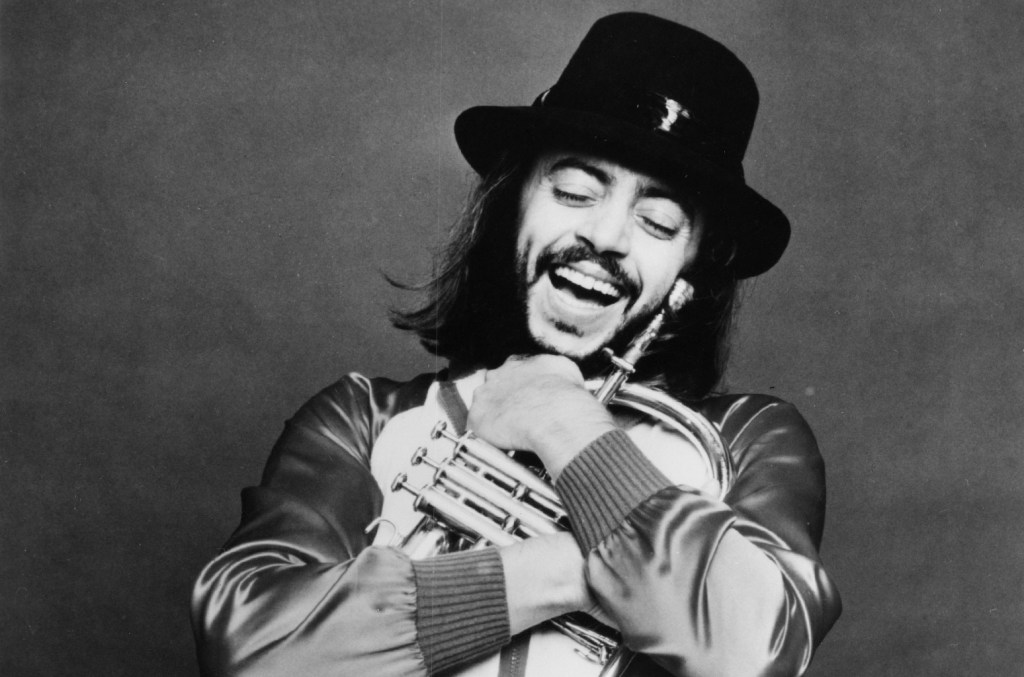
A smooth horn line threaded through a 1978 crowd—and tonight, that gentle ripple echoes as a requiem.
Chuck Mangione, born November 1940 in Rochester, slipped quietly from life at home on July 22, aged 84. He died peacefully in his sleep, the same calm that informed his music.{” “Boundary‑breaking yet welcoming,” once read a tribute—but here lies the paradox: something so familiar now so irrevocably altered.
His iconic track Feels So Good wasn’t just a jazz tune—it was a number‑one sinuous anthem that blurred softness and sophistication. The flugelhorn voiced melancholy, euphoria, escape. It soared to No. 4 on Billboard and reentered cultural memory through King of the Hill, Friends, Zombieland, and countless screens—a melody that felt personal. Mangione said it “identified… a song with an artist,” yet it became the public voice of many.
Melody as Memory, Career as Compass
His story began in Rochester, tutored by Dizzy Gillespie at family gatherings, then honed at the Eastman School of Music—later where he taught. He played with Art Blakey’s Jazz Messengers before launching solo, racking up Grammy wins for Bellavia and Children of Sanchez. He penned Give It All You Got as music for the 1980 Winter Olympics. Yet somehow it was the breezy blend of jazz and pop in Feels So Good that pressed his name indelibly into our playlists.
Beyond albums and awards, Mangione gave fans time and tenderness—often lingering after concerts to sign autographs until everyone had met him. His family statement credited “boundless energy, unabashed enthusiasm, and pure joy that radiated from the stage.” More than performance—this was communion.
Between the Notes, What Remains
His smooth jazz legacy lives in soundtracks, sports arenas, museum archives. In 2009 he entrusted his brown felt hat and Feels So Good score to the Smithsonian’s National Museum of American History—a gesture that placed jazz among national symbols.
Still, with each tribute, questions swell: Did jazz itself lose something more than a musician? Did we lose a cultural connector whose mellow vibrato served as an intergenerational bridge? How does a tune so well‑worn feel brand‑new in mourning?
Chuck Mangione may have played Feels So Good to millions—but what we carry now is more than the melody. It’s the space between notes, the patient joy, the artistry that gave us pause. His final rest is quiet—but the music lingers, insistent. Who will fill the hush next?








Laufey’s Opening Night Show at LA’s Crypto.com Arena: Best Moments
Laufey opened a two-night stand at Crypto.com Arena in downtown Los Angeles...
 Chris Marks6 Mins read

Julie Adam Is Billboard Canada Women in Music’s 2025 Exec of the Year
Julie Adam is having a milestone year — and it’s getting even...
Chris Marks4 Mins read

Spinal Tap Tribute Album with Foo Fighters,Tool for Teen Cancer America
Spinal Tap may be a fake band, but its music is very...
Chris Marks2 Mins read
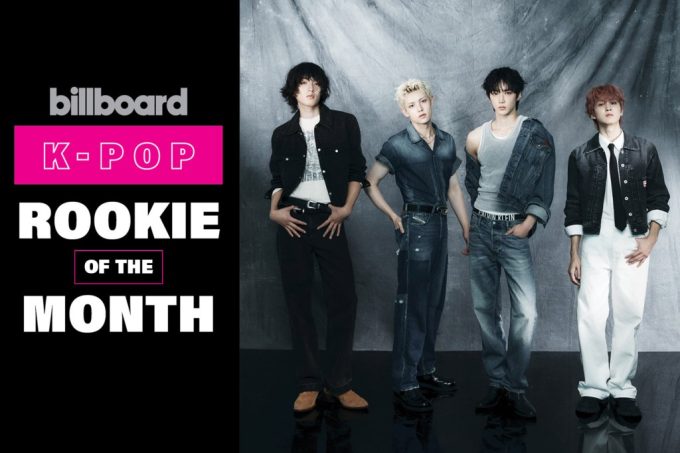
AxMxP Is K-Pop Rookie of the Month for September: Exclusive Photos
Ha Yoo Joon Image Credit: Chin Soyeon You debuted on Sept. 10....
Chris Marks2 Mins read





Leave a comment