

Messi’s Magic and South American Steel: A Club World Cup Shake-Up
Inter Miami’s Messi-led masterclass and Botafogo’s gritty upset signal more than results—they hint at a tectonic shift in global football, where the underdogs aren’t underdogs anymore.
 Krista FreelandJune 20, 20251 Mins read26
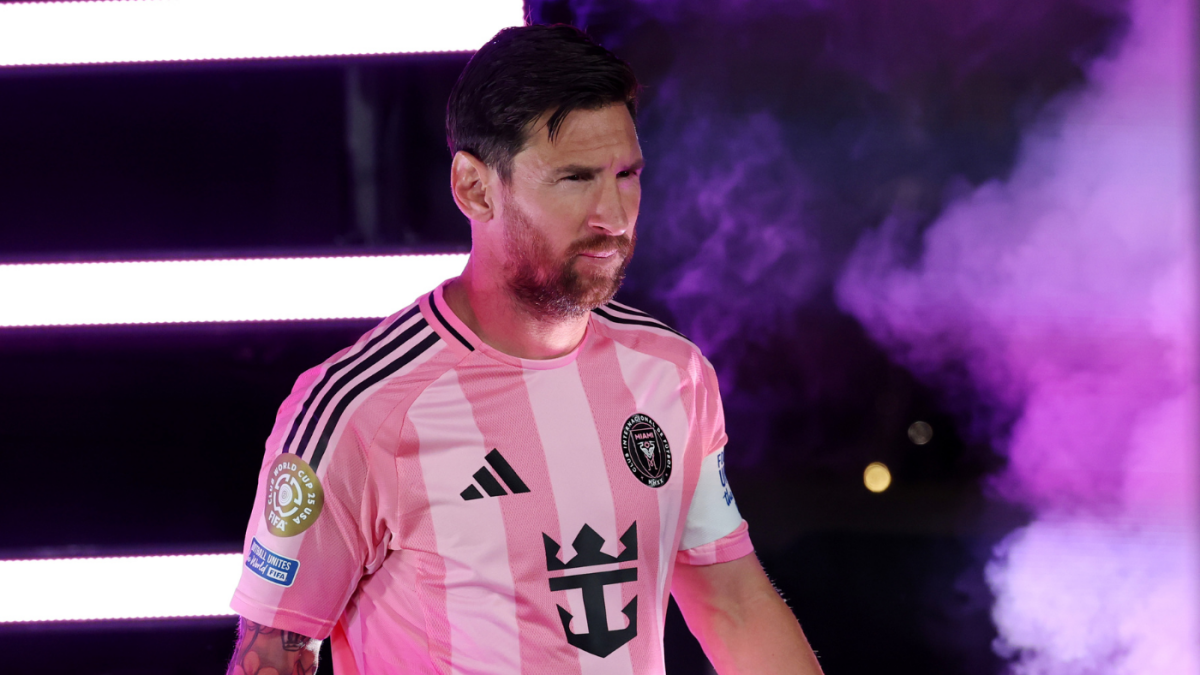
A bent free-kick slices through the heat of Atlanta’s night sky, and suddenly Lionel Messi is reminding us that magic doesn’t retire—it migrates. Porto’s early penalty seemed to sap Miami’s momentum, but one stroke from Messi undid years of European calm, leaving the stadium hushed in wonder. Beneath the surface, though, is something even more seismic: a quiet revolution brewing in the global game.
Botafogo’s disciplined dismantling of PSG followed like an echo, both victories announcing a rupture in a 13-year European hegemony. “The football graveyard is full of so‑called favourites,” said Renato Paiva—Botafogo’s coach—and the line lands like a challenge, daring old worlds to cling to their crowns.
When Titans Stumble, Legends Step In
Messi may have scored the goal, but it was Inter Miami’s collective resolve that turned the match. After their first-half wobble, Mascherano’s halftime words recalibrated a team that had been labelled outsiders. Messi later acknowledged their hunger: “Se vio que queremos competir,” he declared—proof that desire can outpace pedigree.
Meanwhile, Botafogo’s victory over PSG wasn’t spectacle—it was stratagem. Compact lines cramped the French attackers until Igor Jesus struck. It wasn’t an upset, it was proof: preparation wears down power. European giants, once untouchable, suddenly look vulnerable in these new battlegrounds.
A Tournament Transformed
The Club World Cup was meant to showcase UEFA might; instead it’s fractured the narrative. Attendance is modest, but atmosphere is electric—every match feels like a turning point. With Flamengo and Boca Juniors poised to challenge Chelsea and Bayern next, questions loom: is this the moment South American clubs stop serving as foils and start rewriting the script?
Messi’s free kick was only the opener. These wins whisper of a broader shift: that global football isn’t shrinking—it’s expanding, redistributing brilliance beyond old centers of gravity. Underneath victory lies a demand for something new, something more democratic.





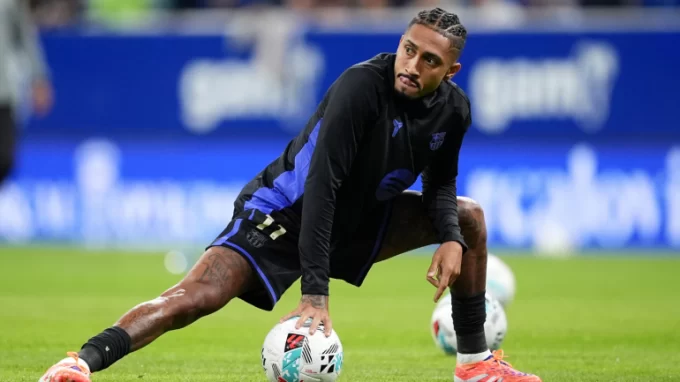
Barcelona’s Fragile Pursuit: When Injuries Threaten More Than Just a Season
A silence spreads over Camp Nou that no roar can drown out—two...
 Chris Marks2 Mins read
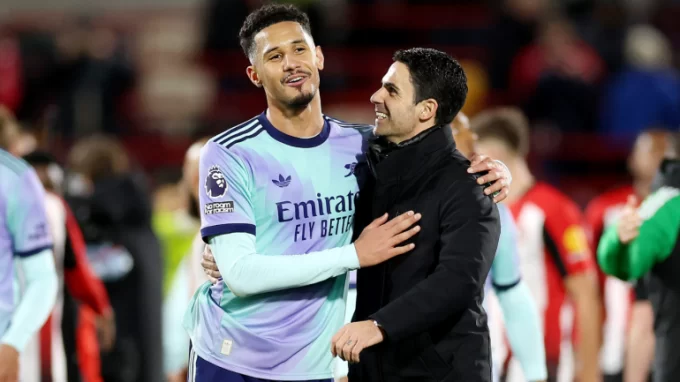
William Saliba: Arsenal’s Silent Architect or Its Greatest Gamble?
The air inside the Emirates shifts with unspoken tension—William Saliba, once a...
 Joseph Bennett2 Mins read
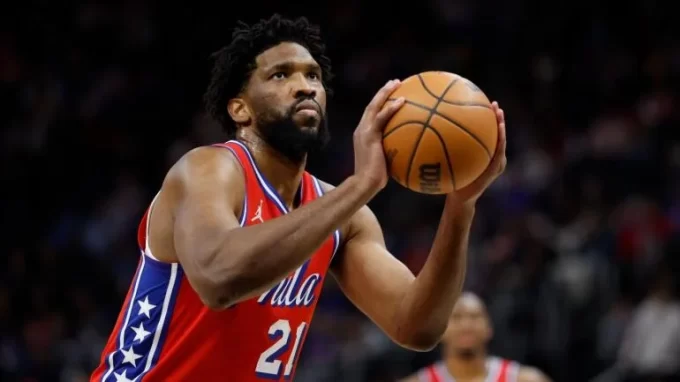
Joel Embiid’s Quiet Confidence: Is the 76ers’ Giant Ready to Rewrite His Story?
Joel Embiid is rarely one to make noise without purpose, and now,...
 Kirsten Collins1 Mins read
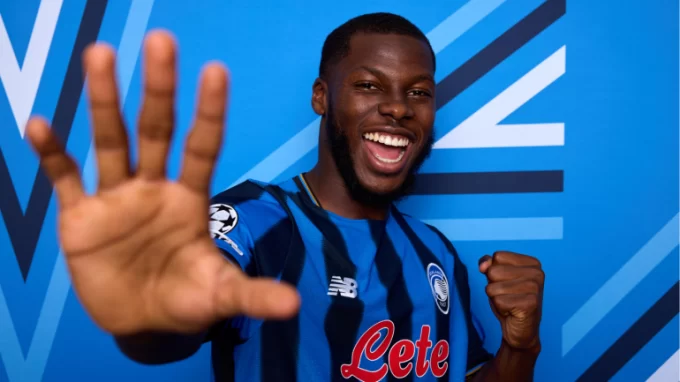
Juventus, Atalanta, and Arsenal’s Quiet Revolution: What’s Really Shaping This Week in Football?
The roar of Serie A stadiums masks a subtle shift, one that...
Kirsten Collins2 Mins read





Leave a comment