

Craig Perry Calls Final Destination 4 “Sucks”—But Why Does It Still Haunt Us?
Craig Perry, the producer behind the Final Destination franchise, doesn't mince words about the fourth installment: "It sucks." Yet, it remains a cult classic. What makes this film so enduringly fascinating?
 Chris MarksMay 16, 20251 Mins read230
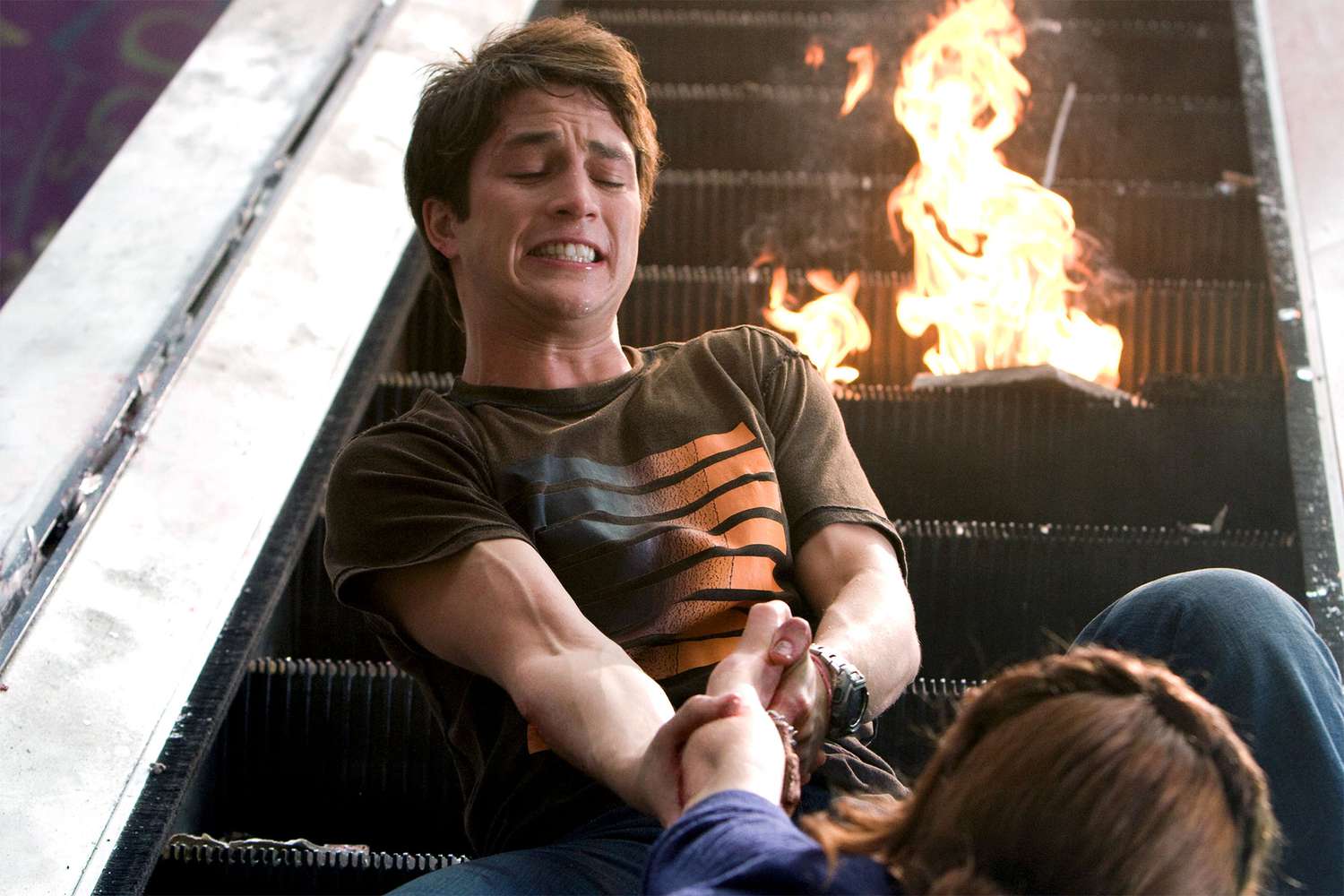
Jim Sheldon/New Line/courtesy Everett
Craig Perry, the producer behind the Final Destination franchise, doesn’t mince words about the fourth installment: “It sucks.” Yet, it remains a cult classic. What makes this film so enduringly fascinating?
The Final Destination, released in 2009, marked a significant shift in the series. Transitioning from the original’s supernatural undertones to a more overtly supernatural approach, the film introduced 3D effects to enhance its death sequences. However, these changes were met with mixed reactions. Perry himself admitted that the film’s execution didn’t live up to expectations, stating, “I don’t think the fourth one is good at all, actually it sucks.” Despite this, the film’s commercial success paved the way for the franchise’s continuation.
A Shift in Tone
The film’s departure from the series’ roots led to a tonal shift that some fans found jarring. While the earlier films balanced horror with a sense of inevitability, The Final Destination leaned heavily into gore and spectacle. This change sparked debates among fans and critics alike about the direction of the franchise.
Cult Classic Status
Despite its flaws, The Final Destination has garnered a dedicated following. Its over-the-top death scenes and 3D gimmicks have earned it a place in the hearts of horror enthusiasts. This phenomenon raises the question: Can a film be considered a classic even if its creator disowns it?
As the franchise evolves, with the recent release of Final Destination: Bloodlines, fans continue to grapple with the legacy of The Final Destination. Is it a misstep in the series’ history, or does its unique approach offer something valuable to the genre? Perhaps, in the end, its enduring appeal lies in its imperfections.
In the world of horror cinema, not all classics are born from perfection. Some are forged in the fires of ambition and miscalculation. The Final Destination stands as a testament to the unpredictable nature of film and the complex relationship between creators and their creations.








When “107 Days” Meets Outcry: Harris’s Book Tour Interrupted
The microphone crackled to life, and before Harris could finish her opening...
Chris Marks1 Mins read
Whispers in the Shadows: Why Holly Black’s Sequel Is a Dark Invitation We Can’t Ignore
The night isn’t just dark—it’s ravenous, greedy, and it’s coming for you....
Chris Marks2 Mins read

Why Stephenie Meyer’s Regret About Edward Changes Everything You Thought You Knew
The moment Stephenie Meyer admitted she wouldn’t pick Edward Cullen today, a...
Chris Marks2 Mins read

When Fear, Fury & Feathers Collide: Cinema, Superheroes, and a Confessional Album
Open with tension—the kind that threads through a scream, a reveal, and...
Chris Marks2 Mins read




Leave a comment