

The Death That Wasn’t: Ozzy Osbourne and the Theater of Mortality
Reports claimed Ozzy Osbourne’s cause of death was “revealed.” Only one problem: he isn’t dead. The internet, however, was already mourning a man still breathing.
 Joseph BennettAugust 5, 20252 Mins read22
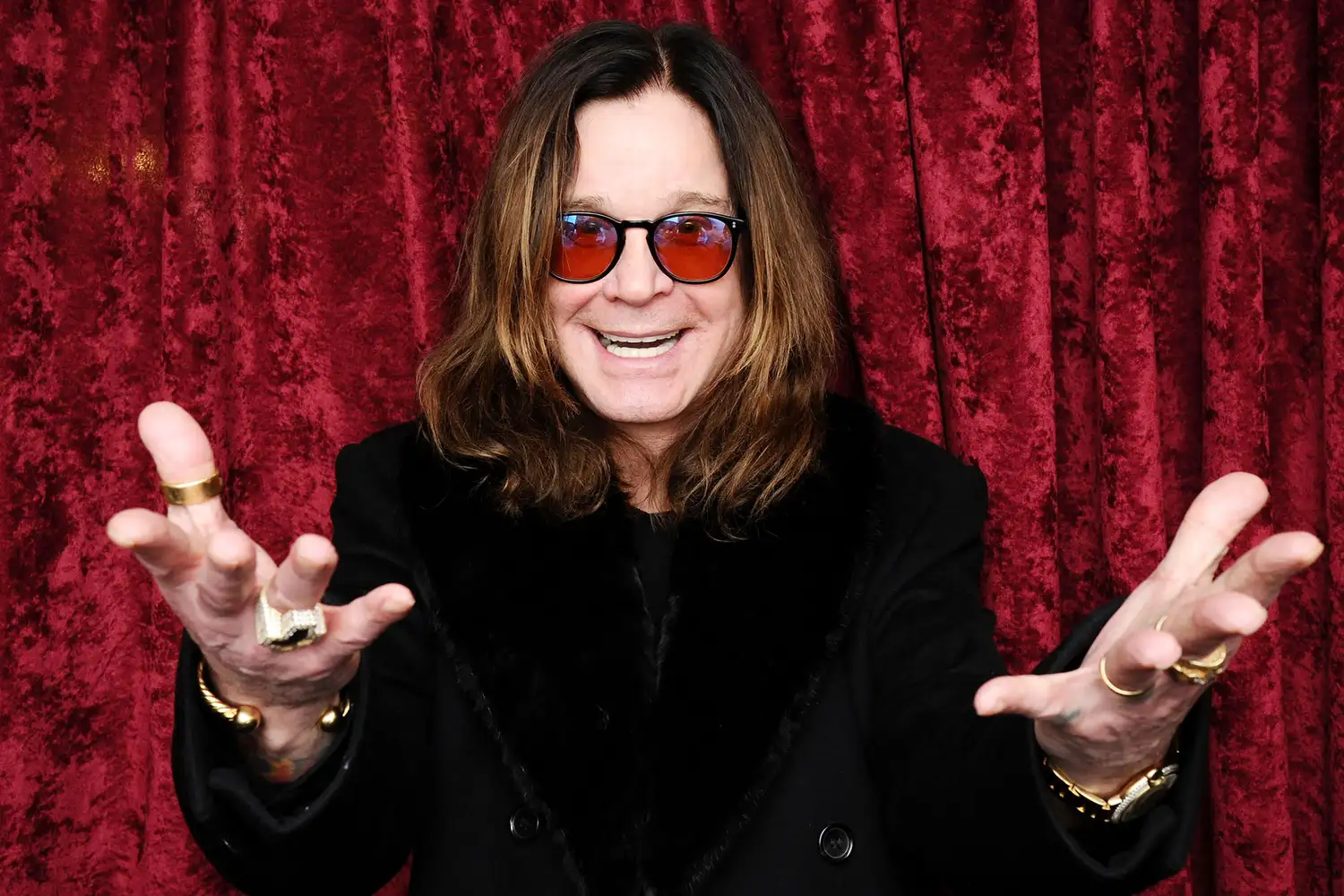
He was dead—until he wasn’t. For a brief, unhinged moment in August, the internet mourned Ozzy Osbourne as though he were a Beatle. A death notice swirled across timelines like incense in a blacked-out cathedral, solemn and ghoulish. The problem? Ozzy Osbourne is very much alive. Breathing. Rehabilitating. Probably growling something indecipherable about bats and back pain.
It didn’t matter. The ritual had already begun. Articles popped like flashbulbs. Comment sections filled with “RIP Legend” dirges. Fans posted grainy Woodstock-era photos of the Prince of Darkness beside broken-heart emojis. Even outlets that should’ve known better fell for the sleight of algorithmic hand. In a post-truth world, grief doesn’t need a corpse—just a click.
Death by Headline, Resurrection by Scroll
What makes a man immortal in the digital age? For Ozzy, it appears to be misinformation and muscle memory. We’ve prewritten his obituary a thousand times. It feels inevitable. His decades of stunts, scandals, and shambling genius make him the perfect candidate for a premature farewell. This wasn’t the first time, and it won’t be the last.
But behind the blunder is something more unsettling: our need to rehearse loss before it arrives. The media didn’t just report his “death”—they staged it. And we, ever hungry for myth, were eager participants. “He’s a walking contradiction,” a former tour manager once quipped, “equal parts heavy metal zombie and sweet English grandfather.” That contradiction fuels our obsession. We want Ozzy to die so we can prove we loved him.
Rock Icons Are Just Clickbait Now
This isn’t a story about Osbourne. It’s a story about us. About how we consume lives like we consume content—fast, sloppy, and with little regard for truth. In a more analog era, a death was sacred. Now it’s a marketing metric. The illusion of breaking news matters more than the burden of accuracy. One trending tweet can eclipse the most solemn truth.
We’ve become mourners without mourning. Grievers without grief. As one fan wrote under a misinformed post, “This man shaped my childhood. RIP, legend.” He then followed it with a fire emoji. What is that, if not a eulogy tailored for TikTok?
The death hoax was corrected, of course. Quietly. Dismissively. The same voices who banged the digital gongs of farewell are now back to silence, as if nothing happened. But something did. We glimpsed our own media sickness, and then we looked away.
Ozzy, for his part, will likely live to see another hoax. Maybe even ten more. He’s a relic from an era when fame meant something untouchable, and now, he’s trapped in an ecosystem that devours its icons before they’re even cold. Maybe that’s his final act—not to die, but to outlive every rumor.
Or maybe, in a way, Ozzy really is dead. Not the man, but the myth—the one that couldn’t be Googled into oblivion.
Because in a culture that confuses trending with truth, maybe the most rock-and-roll thing left is to stay alive just long enough to haunt the ones already writing your eulogy.





When Mercy Meets Tragedy: The Widow Who Forgave Her Husband’s Killer
The air thickens when forgiveness enters a room meant for grief. Imagine...
 Chris Marks1 Mins read
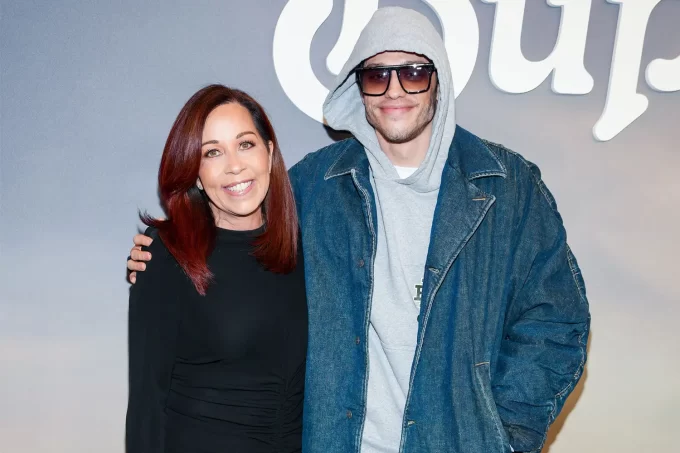
When Fear Became a Lifeline: Pete Davidson’s Reckoning in Rehab
There’s a silence that follows a mother’s voice when she confesses her...
Joseph Bennett1 Mins read
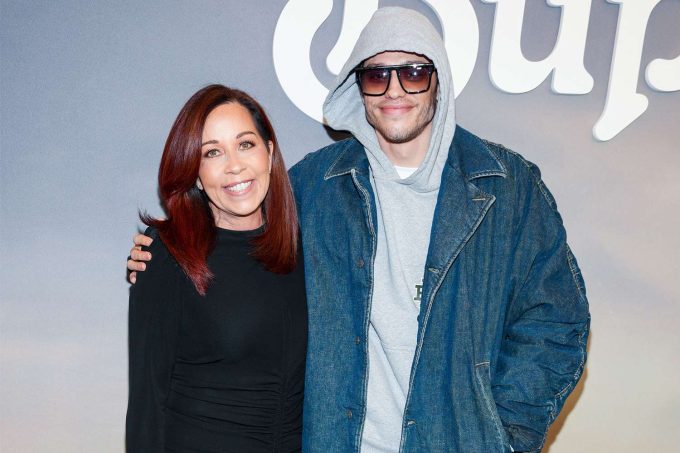
Pete Davidson’s mom told him in rehab worst fear was learning he died
Pete Davidson is opening up about the heartbreaking moment he had with...
Chris Marks2 Mins read
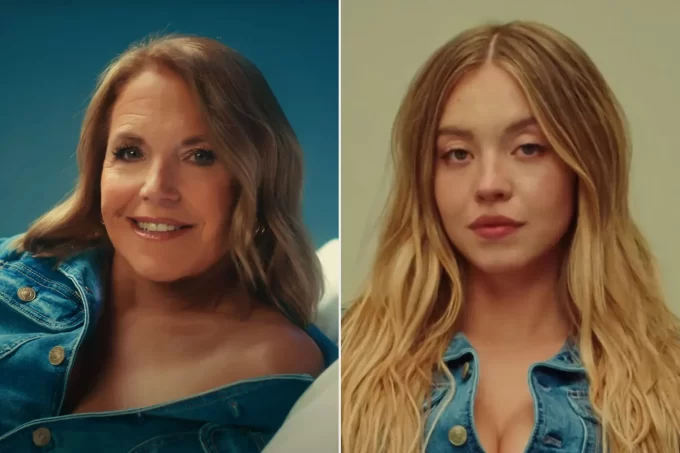
Katie Couric’s Unexpected Spin on Sydney Sweeney’s American Eagle Ad: What’s Really Being Said?
Katie Couric stepping into a scene dominated by Gen Z glamour feels...
 Krista Freeland2 Mins read





Leave a comment