

Zaniolo’s Denial: A Clash of Words or a Hidden Truth?
In the aftermath of Fiorentina's victory over Roma's Primavera team, Nicolò Zaniolo stands accused of a physical altercation with youth players. He vehemently denies the allegations, but the question remains: Is there more to this story than meets the eye?
 Joseph BennettMay 27, 20251 Mins read31

The dressing room door swung open. In stepped Nicolò Zaniolo, not as a visitor, but as a former Roma prodigy, now donning Fiorentina’s purple. His presence was a reminder of what was lost, a symbol of ambition and perhaps, unfinished business. But what transpired behind those closed doors has ignited a firestorm.
Roma’s statement was unequivocal: Zaniolo entered their youth team’s sanctuary, provocatively engaging with players, culminating in two alleged assaults. The accusation was damning, casting a shadow over Zaniolo’s character and intentions.
Yet, Zaniolo’s response was swift and firm. On Instagram, he acknowledged a lapse in judgment, admitting to a verbal altercation but vehemently denying any physical aggression. “The facts are far removed from what has been reconstructed,” he asserted, offering an apology for his actions.
A Clash of Versions
The narrative is now a tapestry of conflicting accounts. Roma’s perspective paints a picture of a veteran crossing boundaries, while Zaniolo’s defense portrays a man pushed to his limits by provocation. In the world of football, where emotions run high and reputations are fragile, the truth often lies in the nuances.
The Weight of Reputation
Zaniolo’s journey has been anything but ordinary. From Roma’s rising star to his stints at Galatasaray, Aston Villa, Atalanta, and now Fiorentina, his career has been marked by ambition and controversy. This incident adds another layer to his complex legacy, challenging perceptions and inviting scrutiny.
As the dust settles, one question lingers: Was this a momentary lapse in judgment, or a glimpse into deeper tensions within the footballing world? In a sport where every gesture is magnified, and every word dissected, the line between truth and perception is often blurred. Perhaps, in this case, the answer lies not in the allegations themselves but in the stories we choose to believe.






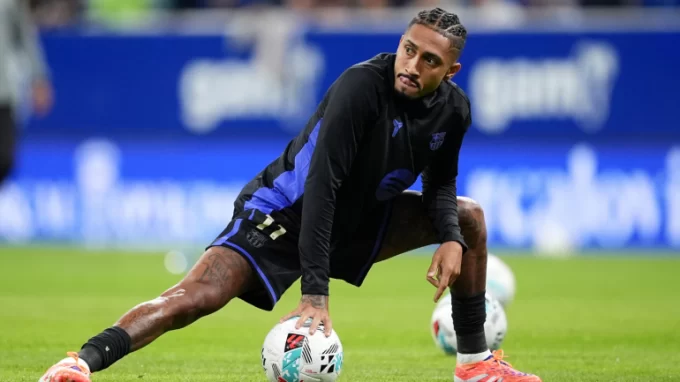
Barcelona’s Fragile Pursuit: When Injuries Threaten More Than Just a Season
A silence spreads over Camp Nou that no roar can drown out—two...
 Chris Marks2 Mins read
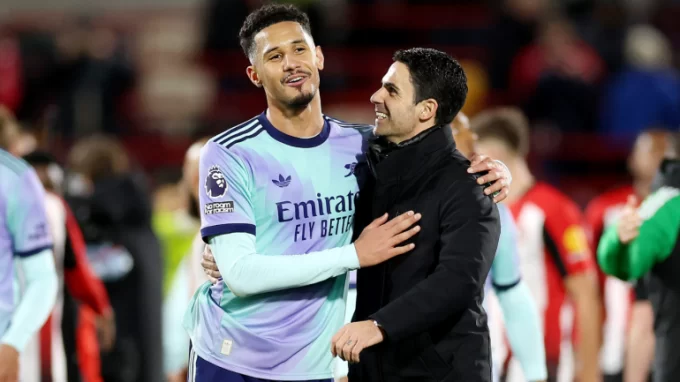
William Saliba: Arsenal’s Silent Architect or Its Greatest Gamble?
The air inside the Emirates shifts with unspoken tension—William Saliba, once a...
Joseph Bennett2 Mins read

Joel Embiid’s Quiet Confidence: Is the 76ers’ Giant Ready to Rewrite His Story?
Joel Embiid is rarely one to make noise without purpose, and now,...
 Kirsten Collins1 Mins read
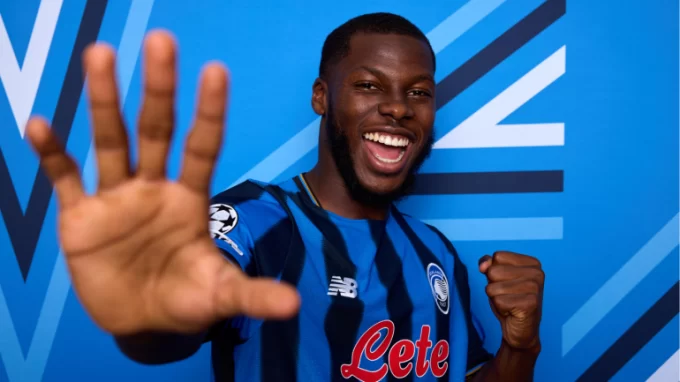
Juventus, Atalanta, and Arsenal’s Quiet Revolution: What’s Really Shaping This Week in Football?
The roar of Serie A stadiums masks a subtle shift, one that...
Kirsten Collins2 Mins read





Leave a comment