

The Duplicates We Fear: Five Books That Challenge What It Means to Be Human
Imagine a world where your exact duplicate exists—what would it mean for your sense of self, your identity, or your morality? These five books explore the terrifying, compelling, and thought-provoking implications of duplicating human beings, but the real question is: Could this ever be our reality?
 Krista FreelandMay 8, 20254 Mins read28
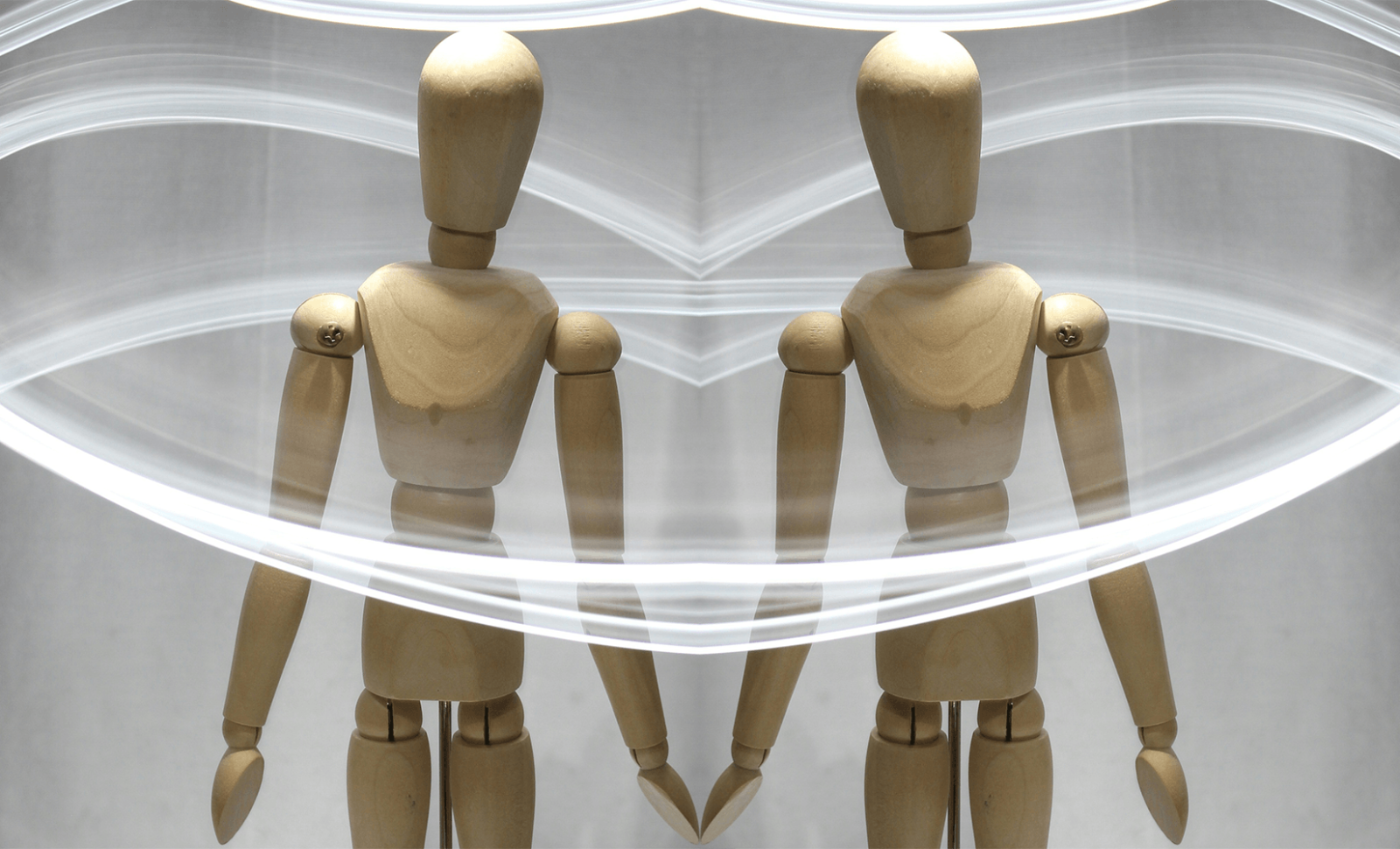
There’s something unnerving about the idea of meeting your clone. The uncanny nature of looking into the eyes of someone who is you—every memory, every quirk, every experience shared—yet also a stranger. What if the mirror never lies, but reflects a version of yourself that you can never fully claim? Books have long been obsessed with the concept of human duplication, exploring what happens when we confront the terrifying notion that we are not as unique as we believe. In these five novels, identity is fractured, morality becomes blurred, and the very essence of being human is put to the test. But here’s the real question: What if this idea isn’t so far from the realm of possibility?
“I knew my clone would never be exactly me,” says one character in a novel where duplicating humans doesn’t just change biology—it shatters the mind. And it’s this idea of fracture that runs deep through these books. What happens when the copy of you isn’t just an experiment, but a person in their own right? When does your ‘self’ stop belonging to you?
The Phantom You
It starts with a simple enough concept: What if you could make an identical copy of yourself? But this simple question spirals quickly into something far darker. Never Let Me Go by Kazuo Ishiguro offers one chilling answer, set in a world where human clones are bred not for life, but for organ donation. The characters in this novel are forced to confront their identity, their fate, and the reality of being “created” for a purpose beyond their control. As one character grapples with the knowledge that her life—her very existence—was never meant for her, a question lingers: What does it mean to be human if you can be reduced to nothing but an instrument of another’s survival?
The haunting beauty of Ishiguro’s narrative isn’t just in the science fiction; it’s in the slow, heartbreaking revelation that identity is not just about your past or your body, but about the stories you are allowed to tell. For Kathy, Tommy, and Ruth, their greatest tragedy is not their fate, but the fact that they were never meant to write their own stories. The question is, who are they—who are we—if someone else dictates the terms of our existence?
The Dark Mirror of Humanity
In The Prestige by Christopher Priest, the question of duplicating humans isn’t about cloning, but the act of creating a duplicate in the most literal sense: a perfect, mirrored version of oneself. The novel examines the ethical and psychological consequences of creating an alter ego so convincing that even the creator cannot distinguish himself from the creation. There’s a tension between self-preservation and self-destruction here, as the characters’ obsession with outdoing each other leads to a warped sense of identity, where the line between “me” and “not me” becomes nearly impossible to trace.
Priest’s narrative confronts the vanity of human creation—not just the desire to duplicate, but the impulse to be immortalized, to leave behind a version of ourselves that outlives our physical presence. The obsession with the “perfect” copy reveals the fragility of the self and the limits of control. It makes you wonder: if you could create a perfect copy of yourself, would you risk it for fame, or would it only deepen your sense of emptiness?
The tension of living with a duplicate doesn’t just haunt the characters of The Prestige—it lingers in the real world, in the sterile, clinical nature of our desire for immortality. And as in the novel, this pursuit often leads not to peace, but to an unending struggle with who we truly are.
These themes echo beyond the pages. After all, what would it mean to encounter a perfect version of yourself in the real world? Would it elevate your identity, or diminish it to the point of existential crisis?
Duplicating the Soul
Then, there’s the more metaphysical question raised by The Turing Test by Chris Beckett. Here, the question isn’t about physical duplication, but the replication of the very essence of consciousness. If a machine—or a person—could replicate not just your body, but the complex architecture of your mind, are they truly “you”? And if they can pass as you, does that mean your identity is something that can be separated from your physical form? Beckett’s narrative pulls you into the ethical quagmire of consciousness and identity—where the body becomes irrelevant, and only the mind remains as the “true” you.
The philosophical underpinnings of Beckett’s novel blur the lines of reality, identity, and consciousness, suggesting that the very nature of being human might be more fragile than we care to admit. If your consciousness could be duplicated, could it still be considered you, or would you become just another version of someone else’s experience? These are the uncomfortable questions that linger after the story ends, unanswered and unsettling.
The idea of duplicating human beings—whether through cloning, psychological manipulation, or technological advancements—does more than just challenge our understanding of science. It disturbs our most basic notions of identity, morality, and existence. It forces us to confront the uncomfortable possibility that our ‘selves’ may not be as irreplaceable as we think. But here’s the question that none of these stories answer: If we can duplicate ourselves, would we even recognize ourselves when we meet that duplicate? And, more unsettling still, would we even want to?







When “107 Days” Meets Outcry: Harris’s Book Tour Interrupted
The microphone crackled to life, and before Harris could finish her opening...
 Chris Marks1 Mins read
Whispers in the Shadows: Why Holly Black’s Sequel Is a Dark Invitation We Can’t Ignore
The night isn’t just dark—it’s ravenous, greedy, and it’s coming for you....
Chris Marks2 Mins read

Why Stephenie Meyer’s Regret About Edward Changes Everything You Thought You Knew
The moment Stephenie Meyer admitted she wouldn’t pick Edward Cullen today, a...
Chris Marks2 Mins read
When Fear, Fury & Feathers Collide: Cinema, Superheroes, and a Confessional Album
Open with tension—the kind that threads through a scream, a reveal, and...
Chris Marks2 Mins read





Leave a comment