

Follicular Fame: What Hair Transplant Surgeons Aren’t Saying (But You Should Be Asking)
Hair transplants have officially gone from taboo to trending—but beneath the glossy before-and-afters lies a story of class, ego, and the quietly booming industry shaping our modern masculinity.
 Kirsten CollinsApril 3, 20252 Mins read110

It used to be a punchline—whispers about plugs, a hat that never came off, the telltale line across the scalp. Now? It’s an industry worth billions, wrapped in influencer glow-ups and surgical precision. Hair transplants are not only normalized—they’re aspirational.
But as surgeons step forward in glossy profiles and “Ask Me Anything” panels, there’s an eerie uniformity to the story being told. Minimal downtime. Virtually painless. Undetectable. And yes, utterly transformative. What they offer is clarity. What they don’t offer—what lingers in the silence—is the cultural weight of what it means to want your hair back.
The Scalpel Between Shame and Selfhood
The rise of procedures like FUE (Follicular Unit Extraction) has made hair restoration cleaner, faster, and more palatable. No longer relegated to aging rock stars or midlife TV anchors, it’s a conversation now happening in gyms, DMs, and locker rooms. The surgery itself is easy to understand. The reasons people get it? Much messier.
Surgeons often frame the transformation in simple terms: “People just want to feel like themselves again.” But what if we were never taught to feel like ourselves without a full hairline? What if the hair isn’t just about aesthetics—but power, youth, and reclaiming an identity that was never entirely ours to begin with?
The decision isn’t purely cosmetic. It’s existential.
Selling Restoration in a Culture of Reinvention
Today’s hair transplant isn’t sold like surgery—it’s sold like story correction. A quiet revision of a detail that somehow unraveled everything. “He looks ten years younger,” they say. “He got promoted six months later.” The results are framed as inevitable, like a fairytale that simply needed the right technician.
But here’s what most don’t ask: Who has access to this fairy tale? Who’s able to afford $10,000 scalp fixes and return to work two days later with a fresher face and tighter fade? And who’s left scrolling through transformation reels, haunted by their reflection and the price of self-repair?
As with any aesthetic revolution, the promise is not evenly distributed. It rarely is.
Hair transplants are here, and they are not slowing down. But in our rush to reclaim follicles, it might be worth asking what else we’re trying to grow back. And whether some parts of ourselves—receding or not—were never lost to begin with.







The Velvet Rope Has Frayed: Saks Fifth Avenue Just Walked into Amazon’s Living Room
They didn’t hear the door creak open—but it did. In a move...
Kirsten Collins2 Mins read

The Face That Didn’t Fit: Meghan, Beauty, and the Industry’s Silent Criteria
They never said it outright. They didn’t need to. Silence, when paired...
Kirsten Collins2 Mins read
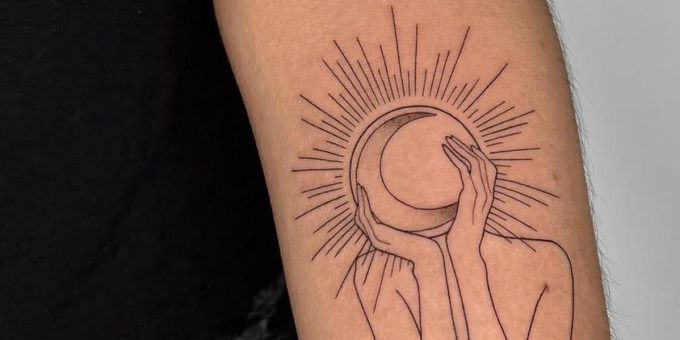
15 Moon Tattoo Ideas for a Celestial Piece That’ll Fit Each Phase of Your Life
When it comes to getting permanent art tattooed on your body, there...
Kirsten Collins3 Mins read

Tariff Turmoil: Trump’s Smartphone Flip-Flop Sends Mixed Signals on Trade—and Tech
What happens when your trade policy changes between press briefings and social...
Kirsten Collins2 Mins read





Leave a comment