

Fortnite’s Dance with Sabrina: A Virtual Pop Star’s Unexpected Takeover
When Sabrina Carpenter steps into Fortnite's Festival Jam Stage, it's more than just a concert—it's a cultural phenomenon. But is this digital duet a harmonious blend or a discordant clash?
 Krista FreelandMay 27, 20251 Mins read27
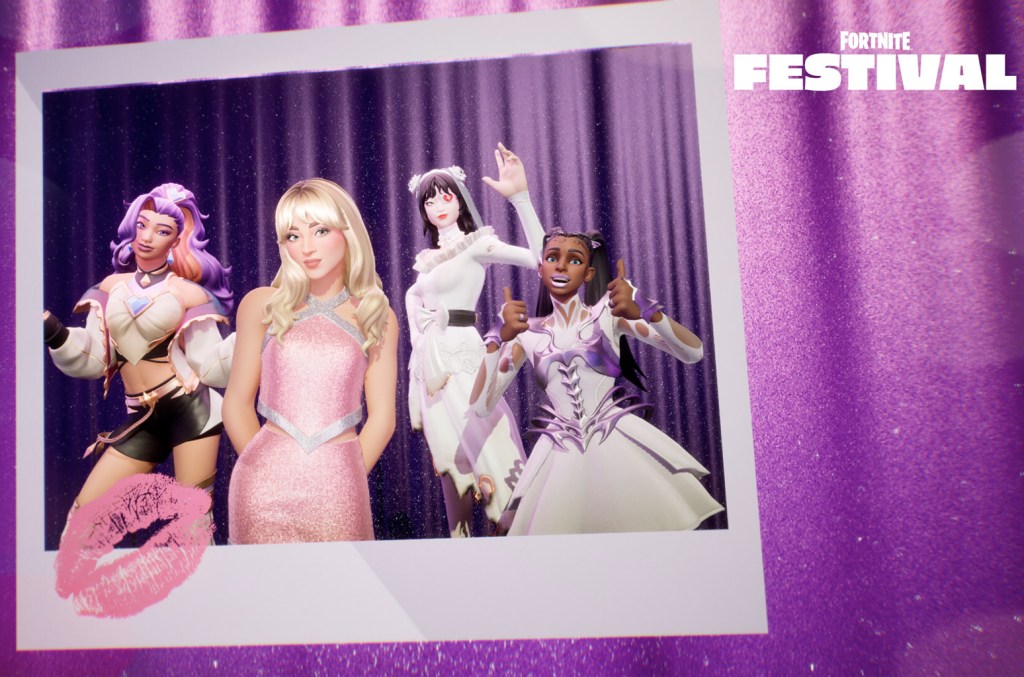
In the pixelated realm of Fortnite, where battles rage and avatars clash, a new rhythm emerges—one that pulses to the beat of Sabrina Carpenter’s chart-topping hits. Epic Games’ latest venture, Dance with Sabrina, invites players to step into a virtual concert experience, blending gaming with live music in a way that’s both innovative and, perhaps, unsettling.Epic Games’ Fortnite+2
From May 30 to June 16, the Festival Jam Stage transforms into Sabrina’s personal showcase. Players can groove to her tracks like “Espresso” and “Bad Chem,” filling their heart meters with each perfect emote. Top performers earn roles such as Dance Leader, Special Effects Pro, or Video Artist, contributing creatively to the virtual show. The culmination? A finale snapshot alongside Sabrina’s avatar, immortalizing the moment in digital camaraderie.
Yet, this fusion of music and gaming isn’t without its critics. Some purists argue that Fortnite’s essence lies in combat, not choreography. The rise of dance-offs over shootouts has sparked debates about the game’s direction. Is Fortnite evolving into a platform for artistic expression, or is it abandoning its roots?
The Virtual Stage: A New Arena for Pop Stars
Sabrina Carpenter’s inclusion in Fortnite marks a significant shift in the gaming industry’s approach to celebrity collaborations. Beyond mere cosmetic skins, artists are now crafting interactive experiences that allow fans to engage with their music in immersive ways. This trend raises questions about the future of virtual performances and their impact on traditional concert formats.
Community or Cult?
The Dance with Sabrina event has sparked a viral movement, with players forming impromptu dance parties and sharing their experiences on social media. However, this phenomenon also highlights the power of fandom in the digital age. Are these gatherings a celebration of community, or do they verge on a digital cult of personality?
As the lines between gaming and music continue to blur, one must wonder: In this virtual world, are we creating new forms of art, or are we merely spectators in a game designed for our participation?



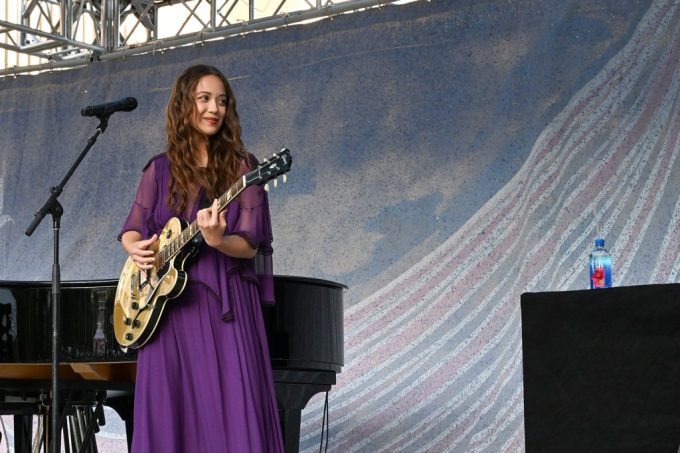
Laufey’s Opening Night Show at LA’s Crypto.com Arena: Best Moments
Laufey opened a two-night stand at Crypto.com Arena in downtown Los Angeles...
 Chris Marks6 Mins read
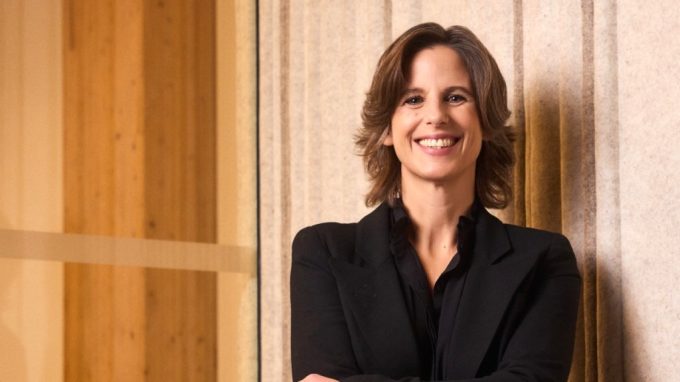
Julie Adam Is Billboard Canada Women in Music’s 2025 Exec of the Year
Julie Adam is having a milestone year — and it’s getting even...
Chris Marks4 Mins read
Spinal Tap Tribute Album with Foo Fighters,Tool for Teen Cancer America
Spinal Tap may be a fake band, but its music is very...
Chris Marks2 Mins read
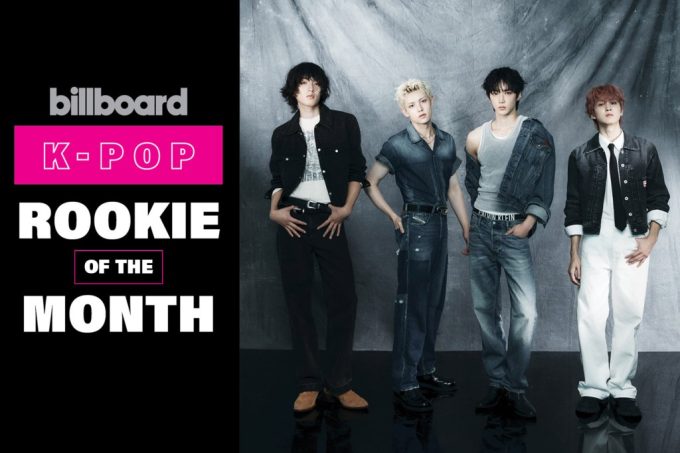
AxMxP Is K-Pop Rookie of the Month for September: Exclusive Photos
Ha Yoo Joon Image Credit: Chin Soyeon You debuted on Sept. 10....
Chris Marks2 Mins read





Leave a comment