

The Beatles Biopic Revolution: Can Anyone Truly Step Into Their Shoes?
Four new biopics on The Beatles are coming, with Paul Mescal and Barry Keoghan leading the charge. But can any actor truly embody the iconic, turbulent genius of these legends, or is this a dangerous rewriting of history?
 Chris MarksApril 2, 20252 Mins read26
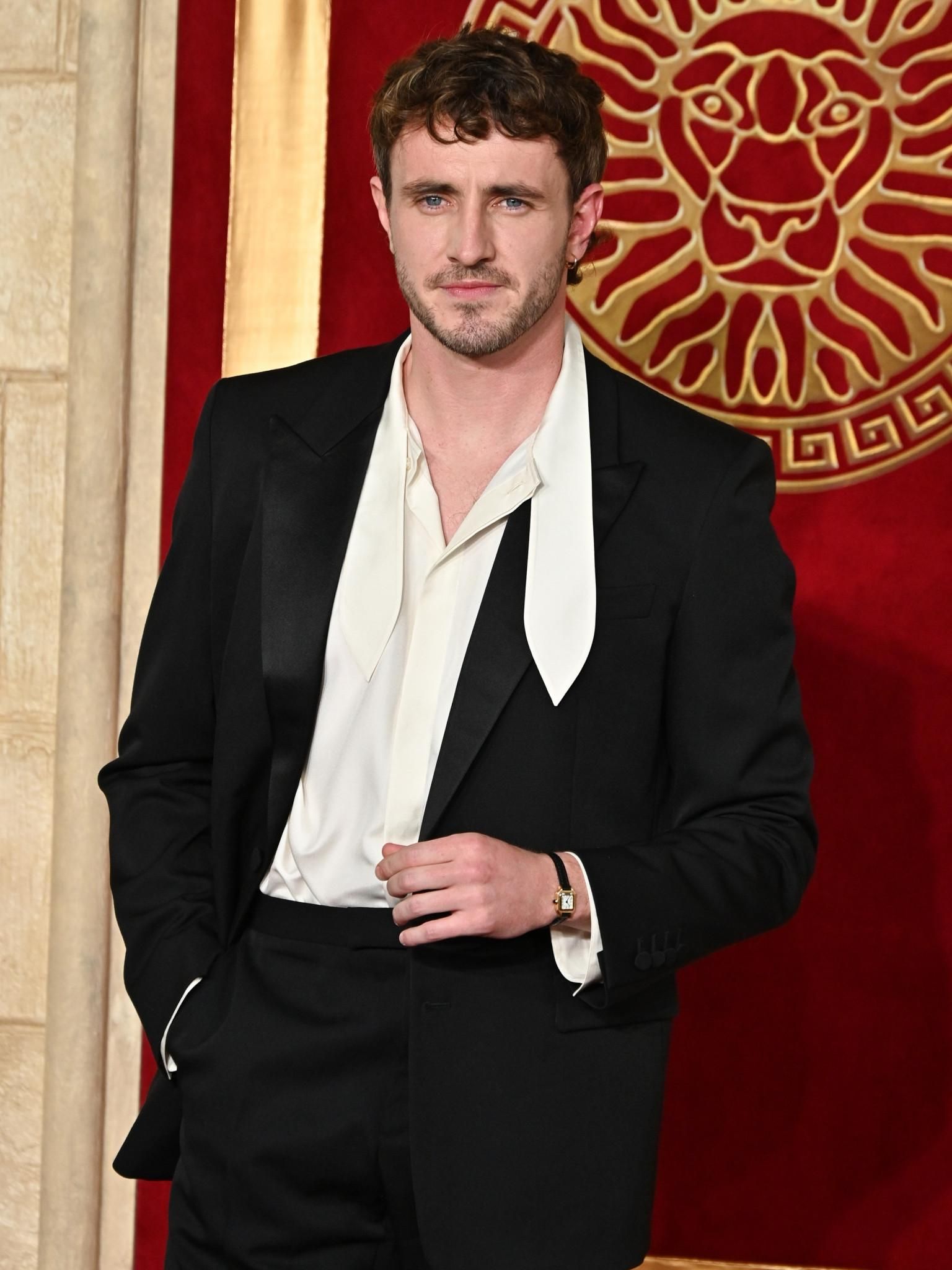
Imagine standing on a stage, lights blinding you, the air thick with the expectations of an entire generation. You’re not just playing a role—you are playing the soul of a legend.
For decades, the Beatles have been more than a band—they’ve been an ideology, a force that reshaped the world with every chord, every word. Now, Hollywood is daring to unearth their story once more, with not one, but four separate biopics in the works. Paul Mescal and Barry Keoghan are set to embody two of the most iconic figures in music history: Paul McCartney and John Lennon. But can they—can anyone—possibly do justice to the mythic magnitude of these men?
Is it nostalgia—or hubris—that drives this need to repackage history? Each biographical take on the Beatles has, until now, either avoided or struggled with the very question of their humanity. The Beatles were not merely artists; they were alchemists of culture. Can an actor, no matter how skilled, truly capture the complicated, often combustible genius that defined McCartney’s intricate melodies and Lennon’s biting truth?
The Curse of Playing the Unplayable
For Mescal and Keoghan, the task is monumental. They aren’t just portraying musicians—they are tasked with embodying symbols. McCartney and Lennon transcended their roles as band members long ago, their personal stories woven into the fabric of the 20th century. Lennon, with his political activism and turbulent private life, and McCartney, the ever-smiling polymath, are mythological figures in their own right. To step into these shoes is to risk trivializing or even diminishing what they represented.
Yet, perhaps the allure is in the very impossibility of the task. Keoghan and Mescal are known for their ability to embody complexity. Mescal, with his tender yet volatile performances, and Keoghan, whose unsettling presence can range from the fragile to the ferocious, could theoretically lend themselves to the tortured soul of Lennon and the perfectionist intricacy of McCartney. But there is always a danger in myth-making. Can their portrayals truly reflect the essence of the Beatles, or will they inevitably fall short, offering only an echo of what was?
Rewriting the Beatles?
We are entering an era where biopics are no longer mere dramatizations—they are battles for legacy. Take a moment to consider the weight of what’s being done here. These films will undoubtedly reinterpret and recast the Beatles in a new light. But how do you reinvent something that is already so deeply embedded in the cultural consciousness? And if this is just the beginning, where does it end? Will the Beatles of the past be reshaped to fit the sensibilities of a new era? Or will they remain untouchable, their true stories forever outside the grasp of cinematic reproduction?
There’s also the larger question of exploitation. How many times can we reexamine the same story, retelling it through the lens of a new generation’s nostalgia and what it desires to see? At what point do we risk over-saturating the cultural memory of the Beatles? For every film that takes us into the heart of their world, we lose a little more of the rawness—the unfiltered magic that made them, in their moment, untouchable.
The biopic genre has become a kind of cinematic archaeology, sifting through the layers of celebrity to uncover what we think we already know. Yet in the case of the Beatles, perhaps some things should remain buried—perfect in their imperfection, too elusive for even the most talented actors to truly encapsulate.
As Mescal and Keoghan step into the limelight of this ever-expanding Beatles myth, one thing is certain: the conversation around them will continue long after the credits roll. But perhaps the real question isn’t whether these actors can channel Lennon and McCartney—it’s whether the world will ever truly be ready to see them as more than the legends we’ve already made them into.






Where Is Lawrence Jones on ‘Fox & Friends’? Health Update Amid Hiatus – Hollywood Life
Image Credit: Getty Images Fans of Lawrence Jones, a Fox & Friends...
 Kirsten Collins1 Mins read

Who Is Lexi Minetree? 5 Things to Know About the ‘Elle’ Series Actress – Hollywood Life
View gallery Image Credit: Getty Images for Hello Sunshine Lexi Minetree plays...
Kirsten Collins2 Mins read

Release Date, Cast & Updates on ‘Elle’ – Hollywood Life
View gallery Image Credit: Courtesy of Prime Video What, like producing a...
Kirsten Collins2 Mins read
Updates on Academy Award Nominations – Hollywood Life
Image Credit: Warner Bros. Pictures Awards season kicked off earlier this month,...
Kirsten Collins2 Mins read




Leave a comment