

The Cast That Wasn’t: Pedro Pascal and the Role That Slipped Into Smoke
Pedro Pascal was almost part of Weapons, the feverishly anticipated film by Zach Cregger. But almost is the most seductive word in Hollywood.
 Kirsten CollinsAugust 5, 20252 Mins read19
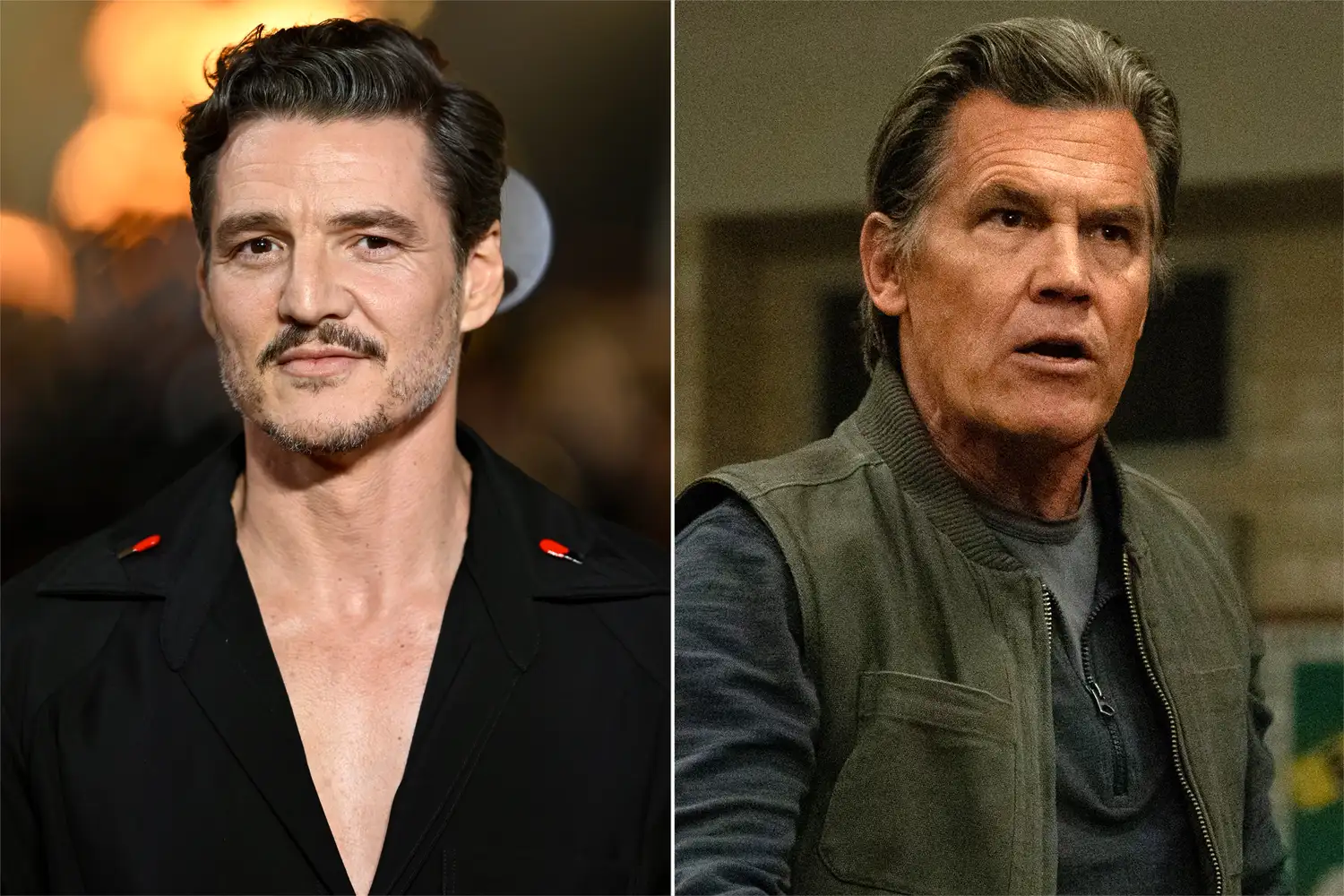
He wasn’t even on the call sheet—and yet, for a few sharp, glimmering moments, Pedro Pascal hovered like a ghost over Weapons, Zach Cregger’s enigmatic follow-up to Barbarian. He was almost cast. Which in Hollywood, of course, is a genre all its own.
There’s something magnetic about the roles that don’t happen. They become folklore faster than roles that do. A missed casting, especially one as unexpected as Pascal—fresh off The Last of Us and still glowing with the stardust of internet thirst—feels like a sliding door left ever so slightly ajar. And inside that room? A film we’ll never get to see. Or worse, one we will see, but always through the shadow of what it could have been.
A Star’s Absence Feels Louder Than His Presence
Zach Cregger’s Weapons is already draped in secrecy—a horror anthology that no one fully understands but everyone desperately wants to. Pascal was said to be in talks, circling the project with that quiet, stormy elegance of his. Then the headlines changed tense. Was cast. Wasn’t cast. “We had some really exciting conversations with Pedro,” a source whispered, off-record but not off-ambition. The tone was wistful, like a writer describing a love letter never sent.
It’s not new. Hollywood is a graveyard of almosts. Will Smith almost played Neo. Emily Blunt almost wielded a shield as Black Widow. And now, Pedro Pascal almost walked through the bloodied corridors of Cregger’s mind-bending vision. But unlike the others, Pascal’s near-miss feels fresh, fragile, even cinematic. It happened in the full beam of his cultural prime, not on the ascent or the decline. He didn’t say no because the project was too weird or too small—he likely said no because the machine of his fame is spinning faster than any of us can see.
Casting is Never Just Casting—It’s Myth-Making
What is a casting decision if not a form of storytelling? Not in the script, but in the marketing. In the cultural fantasy that surrounds a film before it ever opens. Pedro Pascal brings a strange, ineffable weight to any project—dad energy, outlaw charm, a haunted stare, and above all, credibility. His attachment to Weapons would’ve signaled something terrifying and operatic. His absence? That opens a different door: one to danger, perhaps, or to reinvention.
And so the buzz shifts to the what if. Will Cregger’s final cast eclipse the Pascal possibility? Or will the film arrive haunted by the actor who nearly stepped into its darkest corner? It’s a question of tone, sure—but also one of legend. Films, especially in the horror genre, thrive on the unknown. And few things are more unknowable than the movie that never quite existed.
So Pascal didn’t join the Weapons arsenal. He slid past it like a man dodging a bullet. Or was he dodging something else? Maybe he knew something we don’t. Maybe, in a way only great actors understand, he knew that sometimes the most powerful move… is to remain offscreen.
And now, we’re left with the most dangerous question in cinema:
What if he had said yes?






What Happened Between Them? – Hollywood Life
View gallery Image Credit: WireImage Hilary Duff and Haylie Duff were once...
Kirsten Collins2 Mins read
Pianist Omar Harfouch Brings Celebrated Figures Together for a Night of Cultural Exchange – Hollywood Life
Image Credit: Omar Harfouch On February 20, 2026, pianist and cultural figure...
Kirsten Collins2 Mins read
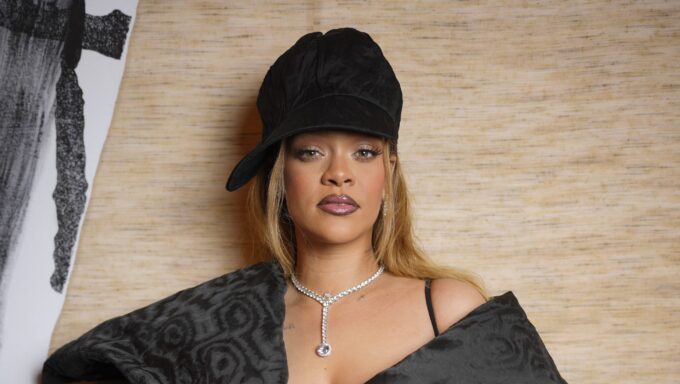
Who Is Ivana Lisette Ortiz? About the Rihanna Home Shooting Suspect – Hollywood Life
Image Credit: WWD via Getty Images The suspect in the March 8,...
Kirsten Collins1 Mins read

What Channel Are the Academy Awards On? – Hollywood Life
Image Credit: AFP via Getty Images The 2026 Academy Awards will bring...
Kirsten Collins1 Mins read





Leave a comment