

Why Netflix’s Romances Feel Like Confessions in Disguise
Netflix isn’t just delivering romantic escapism—its current lineup is daring viewers to examine their own hearts, classes, and choices long after the credits fade. What truths are hiding behind all that polish?
 Kirsten CollinsJuly 15, 20251 Mins read23
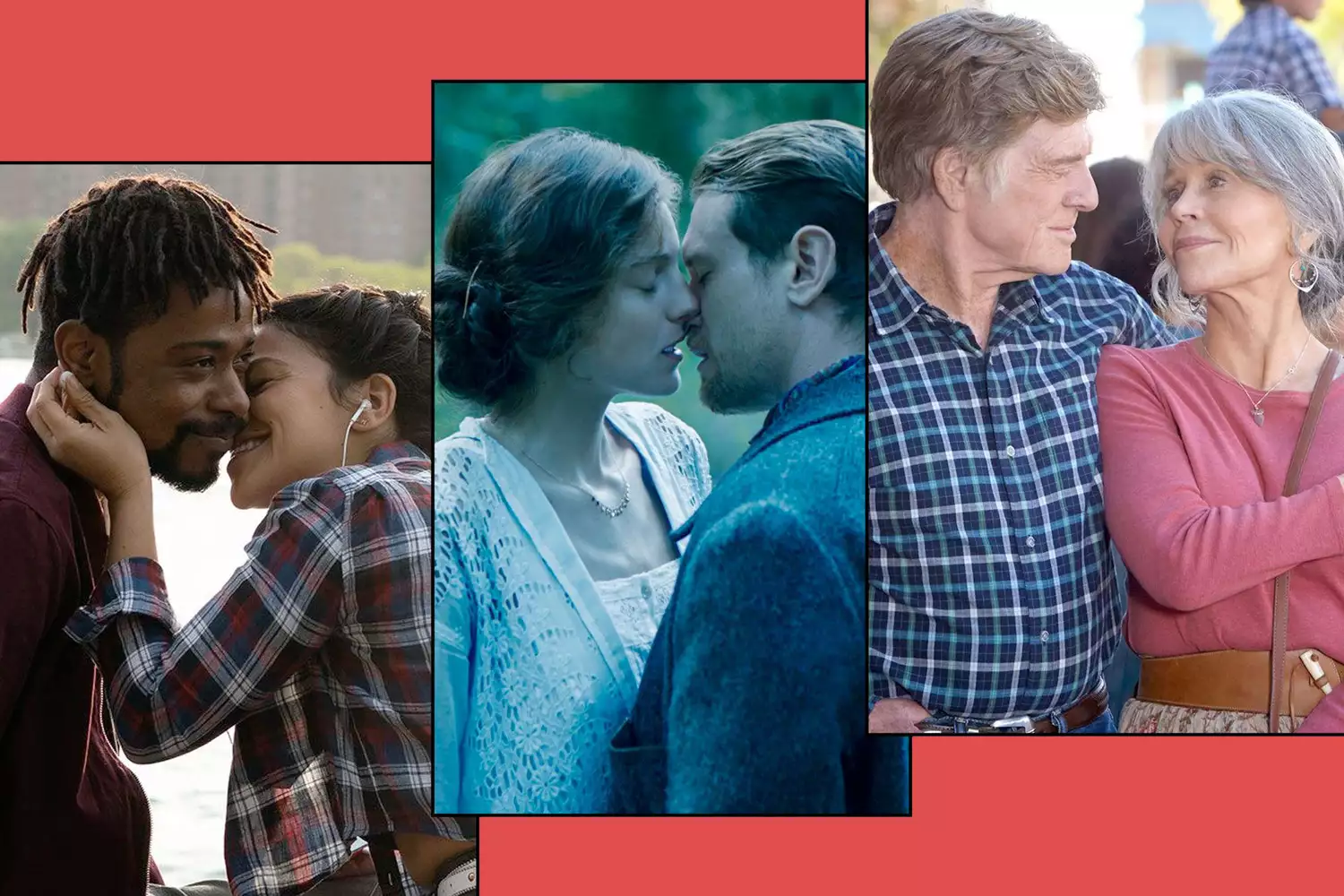
A scribbled note in a teenage girl’s closet, a middle-aged professor caught mid-recklessness, a Filipino couple navigating lies for love—each frame on Netflix is a glance over the shoulder into a life you almost lived.
Netflix’s romantic films don’t just seduce with swoon-worthy chemistry—they unsettle. To All the Boys I’ve Loved Before rebooted teen romance with genuine awkwardness and emotional authenticity, but it also asked: who gets the girl when the fantasy fades? It’s that tension between comfort and curiosity that stays with us long after our popcorn cools.
A newer entry, The Life List, starring Sofia Carson, transcends standard rom‑com tropes by cracking open midlife disenchantment. “This introspection is the beauty of the film,” Carson reflected, as viewers reportedly reassessed their own lives—and even ended relationships—after watching. When a movie reshapes your reality, isn’t that more than love on screen—it’s love as provocation?
When Romance Folds In Other Lives
Netflix’s global romance mosaic is telling us something. Aap Jaisa Koi, a Hindi drama about a Sanskrit professor thrust into unconventional connection, explores tradition colliding with modern desire—a subtle rebellion wrapped in everyday tenderness. Meanwhile, the Filipino rom‑com Sosyal Climbers leans into identity and class, questioning what we sacrifice for acceptance even as sparks fly.
These stories aren’t just about chemistry—they’re labors of context, where romance reflects societal pressure and personal reckoning. Netflix isn’t just giving us love stories—it’s giving us emotional anthropology.
The Quiet Echo After the Kiss
What makes these films linger is their hesitance to tidy up emotions. Whether it’s the bittersweet growth of To All the Boys or the existential dare in The Life List, the end credits don’t close— they echo. That echo prompts us to ask: whose confession did I just watch? Whose reality? And more urgently, which one mirrors my own?
Netflix’s romance shelf is no longer a romantic stereotype—it’s a collection of mirrored moments, invitations to reconsider not just who we love, but how we love, why we settle, and what we dream when no one’s watching.
So next time you settle in with a “romantic” Netflix title, ask yourself: is this just entertainment, or a challenge? And when the kiss ends—and the credits roll—who are you becoming?






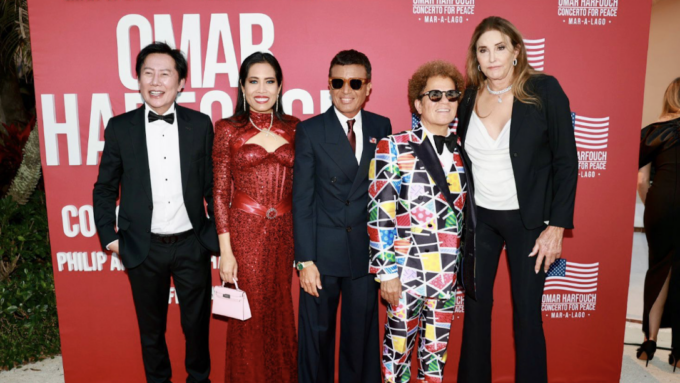
Pianist Omar Harfouch Brings Celebrated Figures Together for a Night of Cultural Exchange – Hollywood Life
Image Credit: Omar Harfouch On February 20, 2026, pianist and cultural figure...
Kirsten Collins2 Mins read
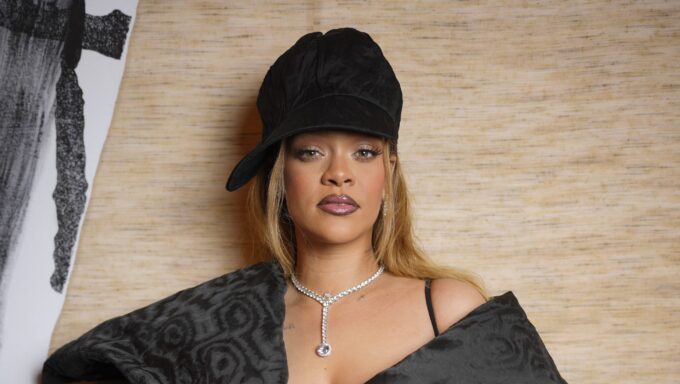
Who Is Ivana Lisette Ortiz? About the Rihanna Home Shooting Suspect – Hollywood Life
Image Credit: WWD via Getty Images The suspect in the March 8,...
Kirsten Collins1 Mins read
How Much Money Does She Have Now? – Hollywood Life
Image Credit: WWD via Getty Images Rihanna may be known as one...
Kirsten Collins2 Mins read
Stars Who Slammed ‘Love Story: JFK Jr. & Carolyn Bessette’: Statements – Hollywood Life
Image Credit: Getty Images FX’s Love Story: John F. Kennedy Jr. and...
Kirsten Collins2 Mins read





Leave a comment