

From Page to Shadow: Why ‘Here in the Dark’ Might Be TV’s Next Literary Obsession
Kaitlyn Greenidge’s Here in the Dark is headed for the screen—and the adaptation might just be more revealing than the book. The real question: how dark is too dark for primetime?
 Krista FreelandMarch 21, 20251 Mins read145
There are stories that make you uncomfortable. Then there are stories that watch you back. Kaitlyn Greenidge’s Here in the Dark is the latter—a slow-burning psychological novel about intimacy, power, and the quiet violence of visibility. So when news broke that the book was being adapted into a television series, the reaction wasn’t just excitement. It was unease.
Because some stories aren’t meant to be softened.
Greenidge has never written for comfort. Her work strips down cultural mythologies—of race, of family, of narrative control—leaving only the raw machinery beneath. And Here in the Dark, a tightly wound investigation of a Black female journalist entangled in the ethical knots of storytelling, is her most confrontational yet. That it’s moving to screen feels like both an inevitability—and a risk.
More Than a Narrative—A Mirror
The novel tracks a woman interviewing a reclusive subject with a shadowy past. But the deeper she digs, the blurrier the boundaries become. Whose story is being told? Who gets to own the pain? It’s metafictional without being self-indulgent, political without preaching, and sensuous without needing spectacle. Translating that to television—where pacing is often sacrificed for punchlines and backstory—is going to require more than a faithful script. It demands courage.
Producers have described the series as “bold, interior, and unapologetically complex.” That’s code for: not your average binge-watch. But that’s the point. “We wanted the adaptation to preserve the claustrophobia,” one insider shared, “the feeling that the audience is being implicated, not entertained.”
What Darkness Will the Screen Allow?
There’s always a danger in translating literary discomfort to mass entertainment. Characters who feel unsettling on the page risk becoming caricatures under harsh lighting. And Greenidge’s protagonist—flawed, brilliant, burdened—resists easy framing. Will TV allow her to remain a question rather than a heroine?
Still, the promise is potent. If done right, Here in the Dark could join the ranks of The Handmaid’s Tale and Sharp Objects—stories that didn’t flinch when the audience did. And maybe that’s what we need more of right now: not another antihero, but a story that refuses to flatter its viewers.
Because some truths aren’t meant to be lit—they’re meant to be sat with, eyes wide open, until the dark becomes legible.





When “107 Days” Meets Outcry: Harris’s Book Tour Interrupted
The microphone crackled to life, and before Harris could finish her opening...
 Chris Marks1 Mins read
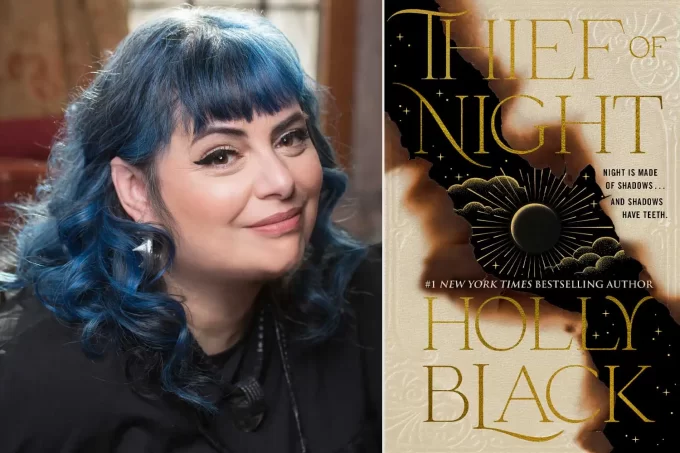
Whispers in the Shadows: Why Holly Black’s Sequel Is a Dark Invitation We Can’t Ignore
The night isn’t just dark—it’s ravenous, greedy, and it’s coming for you....
Chris Marks2 Mins read

Why Stephenie Meyer’s Regret About Edward Changes Everything You Thought You Knew
The moment Stephenie Meyer admitted she wouldn’t pick Edward Cullen today, a...
Chris Marks2 Mins read
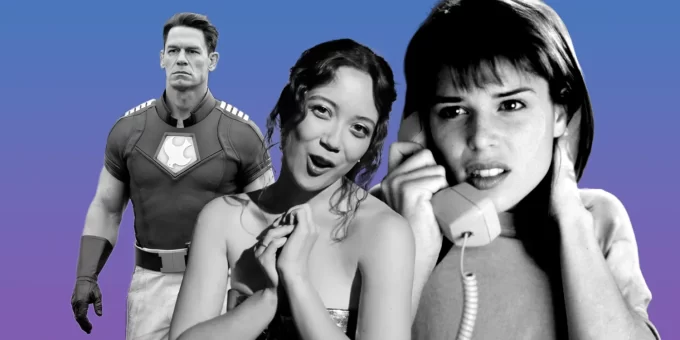
When Fear, Fury & Feathers Collide: Cinema, Superheroes, and a Confessional Album
Open with tension—the kind that threads through a scream, a reveal, and...
Chris Marks2 Mins read




Leave a comment