

Humiliation in the Spotlight: Leguizamo’s Truth About Regarding Henry
John Leguizamo confesses a moment of Hollywood captivity—playing a drug‑dealer robber in Regarding Henry left him humiliated, haunted, and resolute to fight the very system that cornered him.
 Joseph BennettAugust 19, 20251 Mins read22
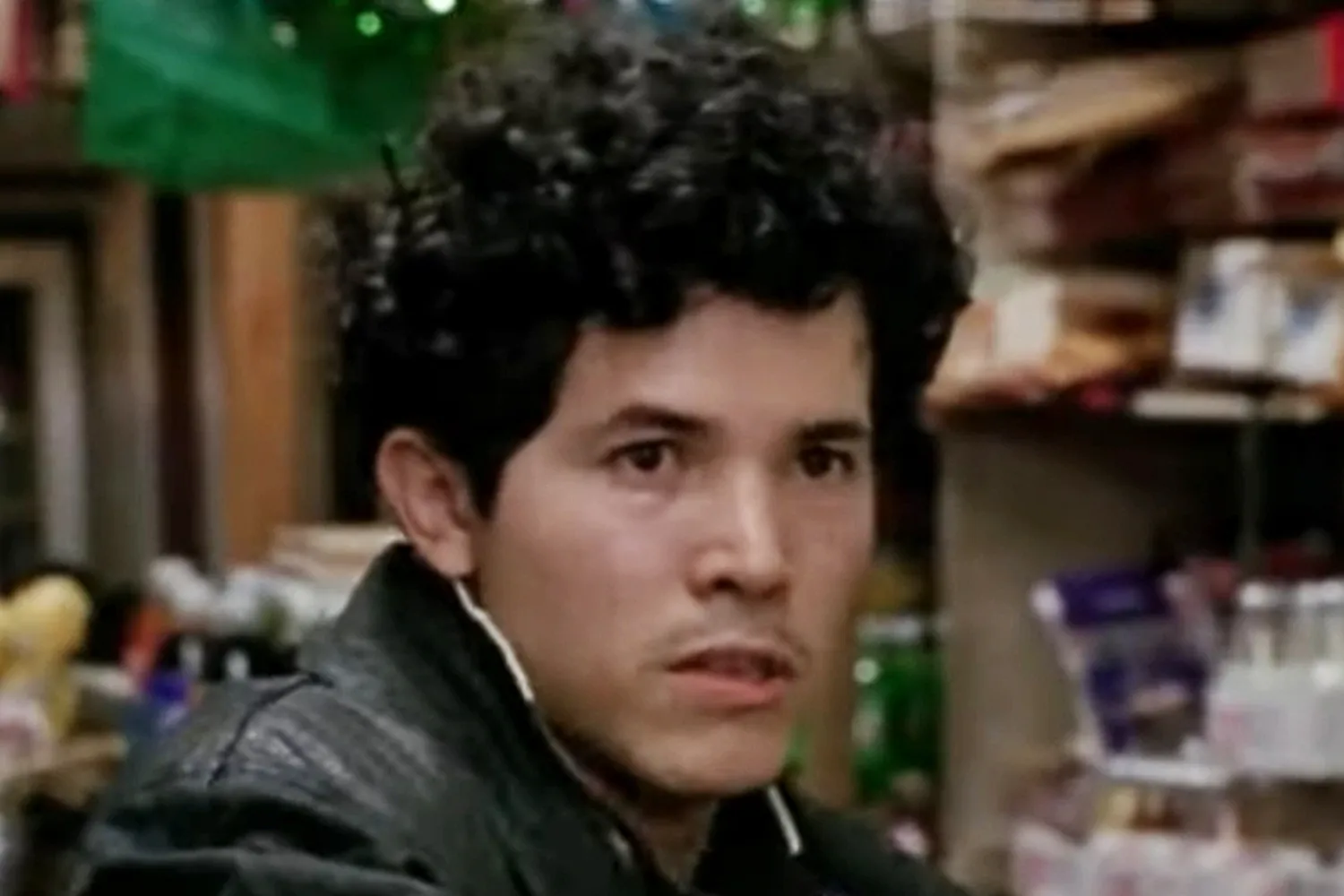
He says his early career in Hollywood felt like the 1990s had built a prison, and he was invited inside wearing shame.
John Leguizamo laid it bare: playing the Latino robber in Regarding Henry was humiliating, a role he took not from passion but from the need to be seen. “You know, I was kind of humiliated by it. I did it because I got no jobs. There were no jobs for Latin folk,” he revealed, voice worn yet defiant. The image of a Latino actor cast only to shoot a white hero isn’t fiction—it’s Hollywood’s ugly truth turned cinematic moment.
Two Shadows of Resistance
Chains in the casting room
Leguizamo didn’t mince words: early‑90s Hollywood “was like Jim Crow.” The roles were carved in stereotype—Latino men only cast as dealers, hoods, dispensers of fear. “They just weren’t casting us,” he said, a confession dripping with regret and anger. He wanted to audition for Mamet, to stretch into something real, but the gatekeepers simply didn’t let him in.
PTSD in ambition
He accepted the role to work with Mike Nichols and Harrison Ford—icons he admired. Yet admits, even now, discussing that part is like reopening an old wound. “Talking about it gives me PTSD.” That phrase treads dangerously close to the edge, the line between past shame and lasting trauma, and makes one wonder: how many stories carry that kind of personal aftershock?
Everything began with a fading spotlight and ends with a trembling voice. Leguizamo’s confession circles back like an echo in an empty theater—he took the part to get through the door, but the door swung shut behind him, leaving him marked. And now, breathing in the aftermath, we ask: does a role haunt an actor—or does the system haunt them?







What Happened Between Them? – Hollywood Life
View gallery Image Credit: WireImage Hilary Duff and Haylie Duff were once...
 Kirsten Collins2 Mins read
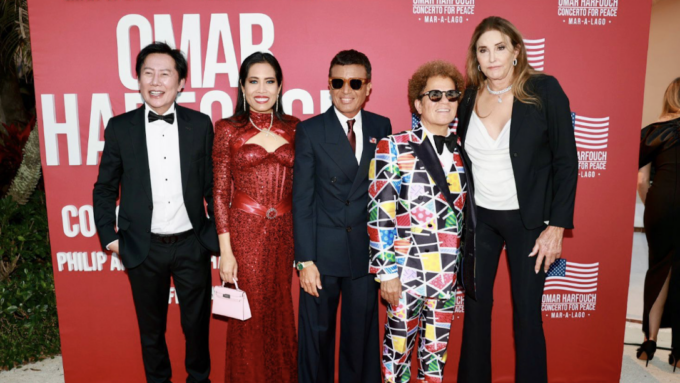
Pianist Omar Harfouch Brings Celebrated Figures Together for a Night of Cultural Exchange – Hollywood Life
Image Credit: Omar Harfouch On February 20, 2026, pianist and cultural figure...
Kirsten Collins2 Mins read
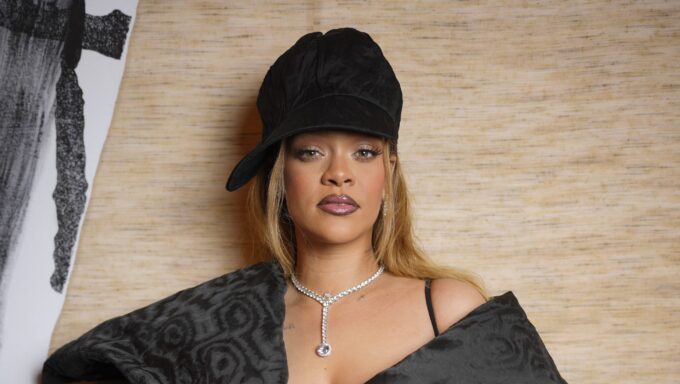
Who Is Ivana Lisette Ortiz? About the Rihanna Home Shooting Suspect – Hollywood Life
Image Credit: WWD via Getty Images The suspect in the March 8,...
Kirsten Collins1 Mins read

What Channel Are the Academy Awards On? – Hollywood Life
Image Credit: AFP via Getty Images The 2026 Academy Awards will bring...
Kirsten Collins1 Mins read





Leave a comment