

The Clooney Conundrum
George Clooney is tired of being told he only plays himself. But what if that’s exactly the point—and the secret to his staying power?
 Chris MarksAugust 4, 20252 Mins read23
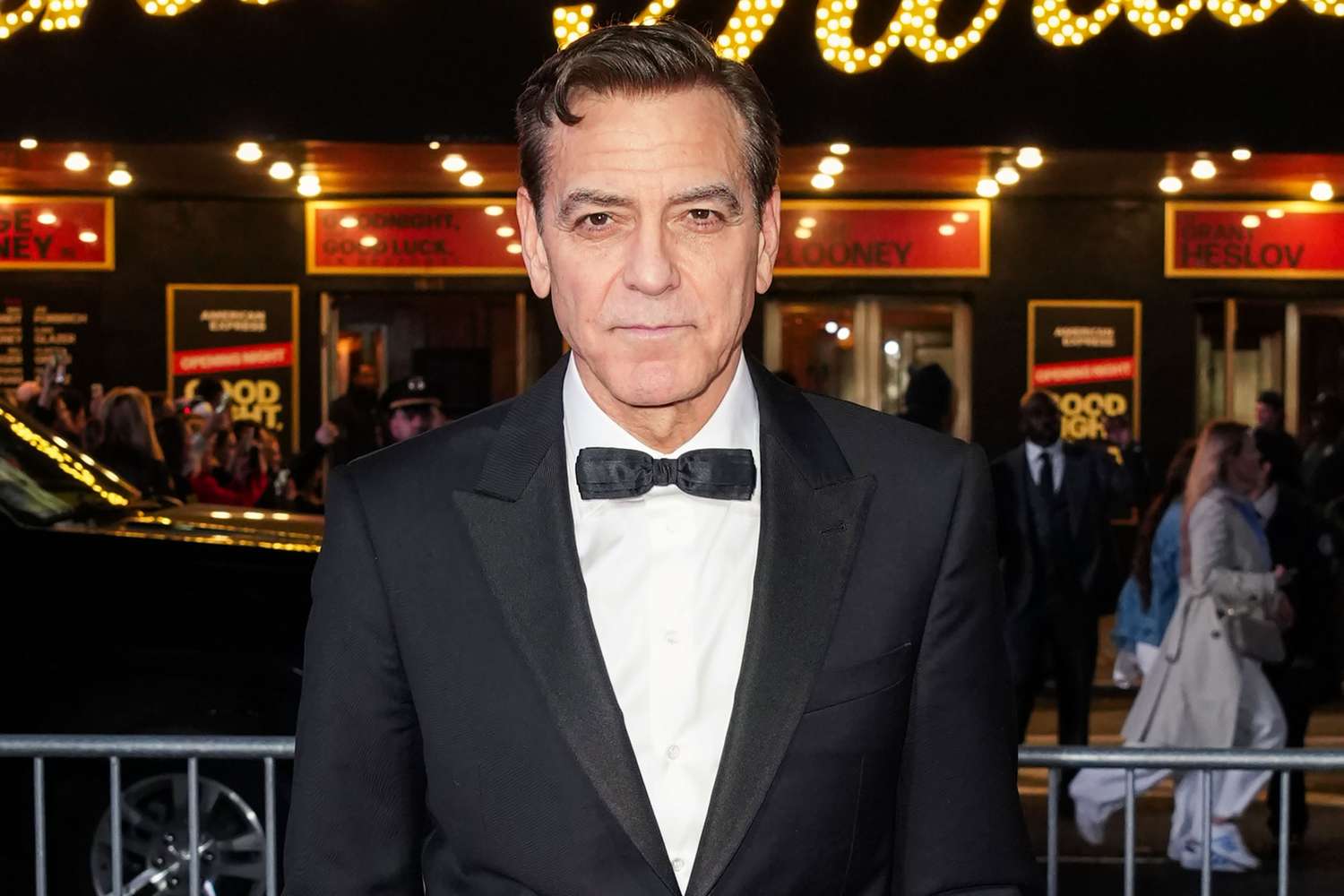
John Nacion/Variety via Getty
He doesn’t flinch. Not when the question is sharp, not when the cameras close in, not even when the criticism is laced with backhanded admiration. George Clooney—eternally cool, perpetually in a tux even when he isn’t—has heard it all before: that he isn’t acting, that he’s coasting on charm, that he’s just playing… himself.
The accusation isn’t new, but his reply this time cuts deeper. “Do you really think Paul Newman was trying to disappear?” Clooney asked, raising a rhetorical eyebrow that has earned more screen time than some actors’ entire careers. It wasn’t just a defense—it was a provocation. Because Clooney doesn’t vanish into roles. He brings the role to him. The question, then, isn’t whether he’s playing himself—it’s why we keep paying to watch it.
Star Power as Sleight of Hand
In an industry obsessed with transformation, Clooney remains stubbornly, deliberately recognizable. He doesn’t morph, he refines. A tuxedo in Ocean’s Eleven becomes a bomber jacket in The Midnight Sky, but the posture never wavers. And maybe that’s the seduction. In a sea of method actors who disappear under prosthetics or dialect coaches, Clooney offers something subtler: continuity.
That consistency unsettles some critics. Because if charisma alone is enough to sustain a decades-long career, what does that say about the artistry of acting? Yet we forget that charisma—true, magnetic, unapologetic charisma—is just as rare as range. Clooney may not shape-shift, but he does something arguably more dangerous: he dares to be legible.
He is not trying to trick us. He is inviting us in. And we, willing voyeurs of the suave, fall for it every time.
The Performance of Permanence
There’s a reason the audience sighs when he walks into a frame—it’s not just the jawline, it’s the familiarity. Clooney isn’t pretending to be someone else. He’s pretending to be someone we already know. And in an age of curated identities and artificial intimacy, that comfort reads like authenticity. Ironically, his sameness becomes a kind of honesty.
“He’s not acting,” some say, as if that’s an insult. But perhaps the more unsettling truth is this: maybe he is acting—just not the way we’ve been taught to applaud. Maybe the George Clooney we see on screen is a performance. Controlled. Calibrated. Cool. And maybe it’s lasted this long because it tells us more about us than about him.
Because what does it say about our culture that we’re still obsessed with the fantasy of the effortlessly charming man? The one who doesn’t break a sweat, who doesn’t change, who doesn’t need to.
What if the most convincing role George Clooney ever played was George Clooney?






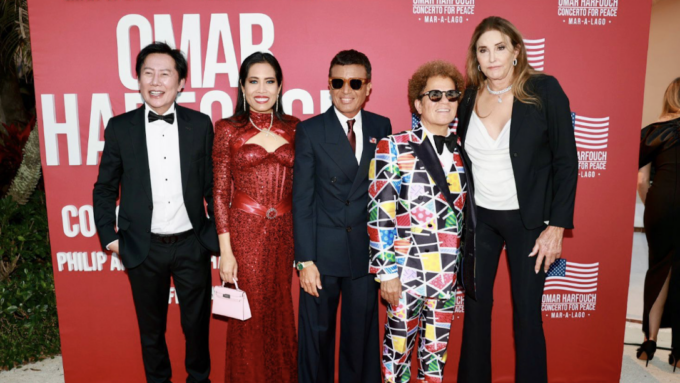
Pianist Omar Harfouch Brings Celebrated Figures Together for a Night of Cultural Exchange – Hollywood Life
Image Credit: Omar Harfouch On February 20, 2026, pianist and cultural figure...
 Kirsten Collins2 Mins read
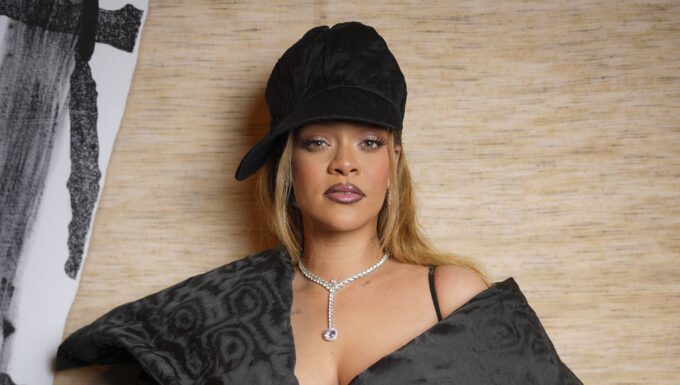
How Much Money Does She Have Now? – Hollywood Life
Image Credit: WWD via Getty Images Rihanna may be known as one...
Kirsten Collins2 Mins read
Stars Who Slammed ‘Love Story: JFK Jr. & Carolyn Bessette’: Statements – Hollywood Life
Image Credit: Getty Images FX’s Love Story: John F. Kennedy Jr. and...
Kirsten Collins2 Mins read

Find Out Release Date, Cast, Plot Details & More – Hollywood Life
Image Credit: Courtesy of Amazon Freevee After its breakout first season, Jury...
Kirsten Collins2 Mins read





Leave a comment