

“George Karl’s Bold Jab at Michael Malone: A Silent War Over MVP Allegiances”
In a rare public feud, former Nuggets coach George Karl challenges Michael Malone's MVP endorsement of Shai Gilgeous-Alexander, reigniting the debate over Nikola Jokić's legacy.
 Kirsten CollinsMay 21, 20252 Mins read22
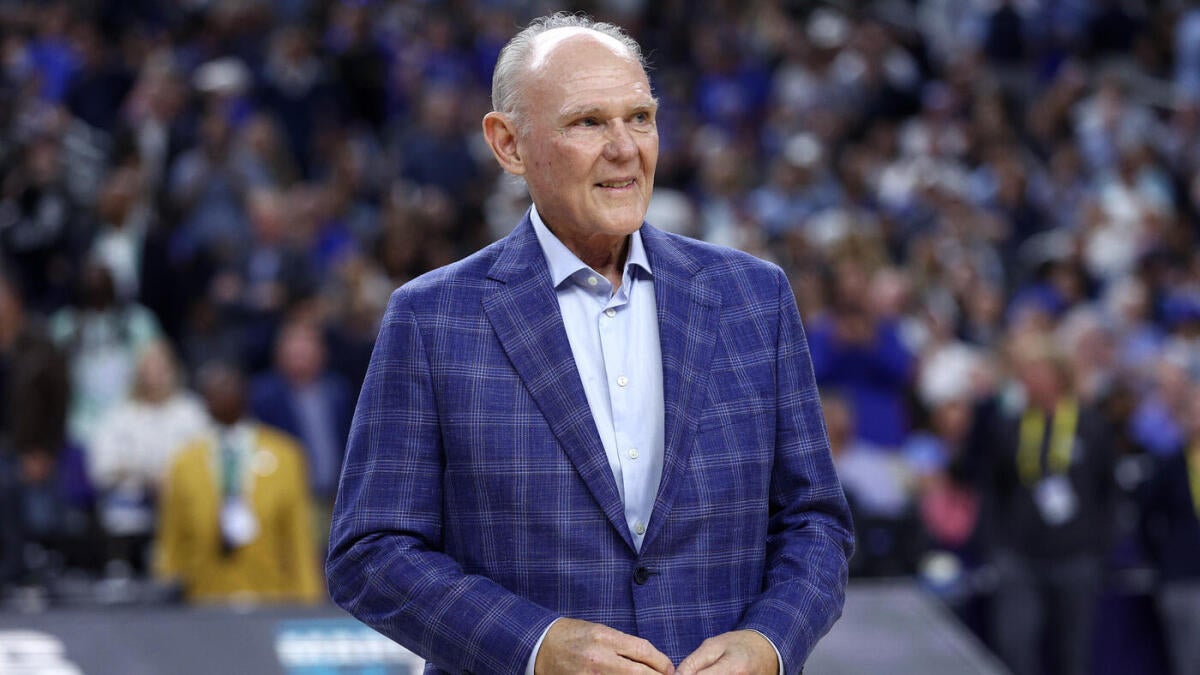
In the dimly lit corridors of NBA history, where legacies are forged and egos clash, a subtle yet potent rivalry brews between two former Denver Nuggets coaches. George Karl, the seasoned tactician known for his candid remarks, has recently taken aim at Michael Malone’s public endorsement of Shai Gilgeous-Alexander for the MVP award. Karl’s retort was swift and pointed: “Jokić was the MVP again this season and it wasn’t that close,” he declared, casting a long shadow over Malone’s praise for the Thunder’s star guard.
This exchange isn’t merely a matter of statistical analysis; it’s a reflection of deeper currents within the NBA’s ecosystem. Karl’s comment underscores a belief that the MVP award should honor sustained excellence and historical significance—criteria he feels Jokić embodies more than Gilgeous-Alexander. In contrast, Malone’s support for Gilgeous-Alexander suggests a shift towards valuing emerging talent and the evolving dynamics of team success.
But what does this debate reveal about the NBA’s evolving standards? Are we witnessing a generational shift in how greatness is defined? Karl’s defense of Jokić, a player who has redefined the center position, highlights a preference for players who transcend their roles and impact the game on a broader scale. Meanwhile, Malone’s endorsement of Gilgeous-Alexander, a guard who has led the Thunder to unprecedented heights, points to a recognition of the changing landscape where traditional positions are less rigid, and individual brilliance can elevate a team’s fortunes.
This discourse isn’t confined to the coaches’ perspectives alone. Players like Anthony Edwards have weighed in, labeling Gilgeous-Alexander as “unguardable” and the MVP frontrunner, further fueling the debate. Such endorsements from peers add layers to the conversation, suggesting that the MVP race is as much about perception and influence as it is about performance.
As the NBA continues to evolve, so too does the criteria by which its stars are judged. The Karl-Malone exchange serves as a microcosm of this shift, highlighting the tensions between tradition and innovation, between established greatness and emerging brilliance. In this ever-changing landscape, one must ponder: What truly defines an MVP? Is it the mastery of a traditional role, the ability to adapt and redefine positions, or the capacity to inspire and lead a team to new heights?
In the end, the MVP debate is more than a discussion about statistics; it’s a reflection of the NBA’s soul, a mirror to its values, and a testament to its ever-evolving narrative. As Karl and Malone continue their public discourse, the question lingers: Who will the league choose to honor this season, and what does that choice say about the future of the game?





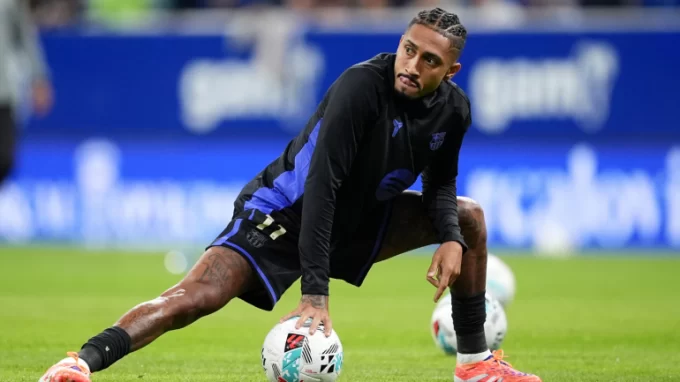
Barcelona’s Fragile Pursuit: When Injuries Threaten More Than Just a Season
A silence spreads over Camp Nou that no roar can drown out—two...
 Chris Marks2 Mins read
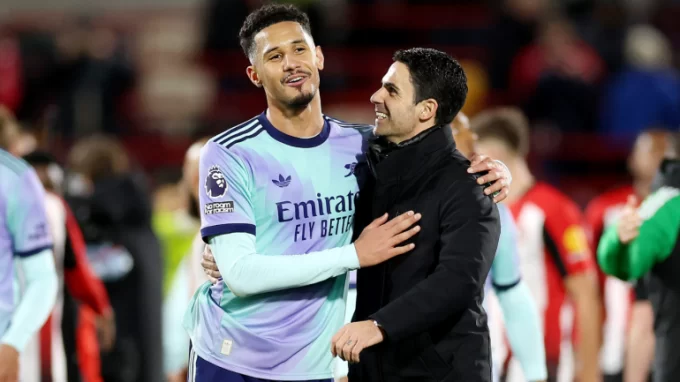
William Saliba: Arsenal’s Silent Architect or Its Greatest Gamble?
The air inside the Emirates shifts with unspoken tension—William Saliba, once a...
 Joseph Bennett2 Mins read
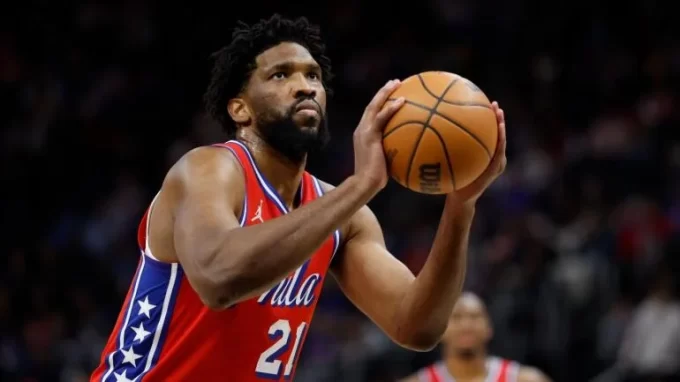
Joel Embiid’s Quiet Confidence: Is the 76ers’ Giant Ready to Rewrite His Story?
Joel Embiid is rarely one to make noise without purpose, and now,...
Kirsten Collins1 Mins read
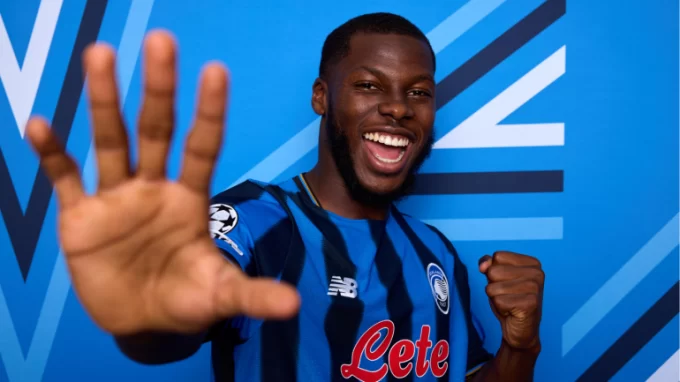
Juventus, Atalanta, and Arsenal’s Quiet Revolution: What’s Really Shaping This Week in Football?
The roar of Serie A stadiums masks a subtle shift, one that...
Kirsten Collins2 Mins read





Leave a comment