

Why Tom Brady’s Patriots Ownership Never Materialized—And What It Really Means
As Robert Kraft eyes selling an 8% stake of the Patriots, whispers circulate about why Tom Brady—football’s most iconic quarterback—was mysteriously left out of the ownership conversation. This isn’t just a missed opportunity; it’s a story loaded with unspoken power plays and cultural undercurrents begging to be unpacked.
 Joseph BennettSeptember 25, 20252 Mins read11
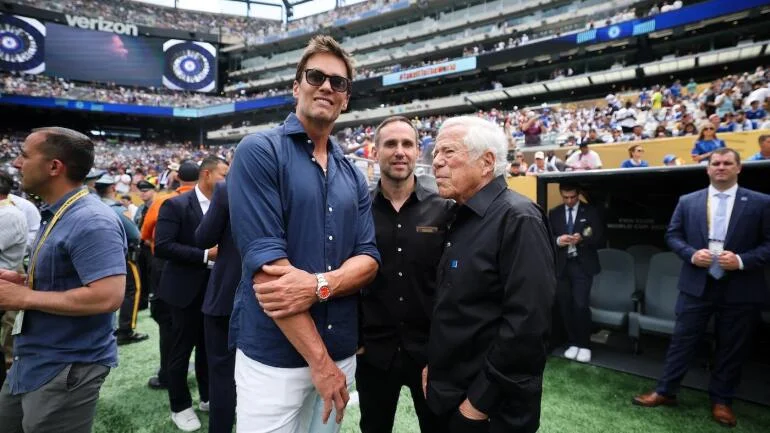
A quiet tension hums beneath the surface of Patriots nation—a silence louder than any stadium roar. Robert Kraft’s reported decision to sell an 8% stake in the franchise ignites speculation, but what truly captivates is the conspicuous absence of Tom Brady in these high-stakes conversations. The man who practically built the modern Patriots dynasty has not been invited to the ownership table. Why?
This omission is more than a mere business oversight. It hints at a complex ballet of legacy, loyalty, and the shifting boundaries of power in professional sports. Brady, the athlete whose name is etched into NFL lore, stands at a crossroads where fame meets finance—and the answer is anything but straightforward.
The Ghost in the Ownership Room
Ownership in the NFL is not just about money; it’s about identity, control, and influence. Robert Kraft’s reported move to part with a chunk of the Patriots signals change—but why exclude Brady? Sources suggest that despite Brady’s undeniable legacy, the tight-knit world of franchise ownership remains a guarded kingdom. The question lingers: is this a subtle rebuke, or a protective boundary drawn to preserve tradition?
Brady himself, having moved on to new ventures, seems content yet distant from the business dealings that define the Patriots’ future. “Ownership isn’t just about passion, it’s about power,” one insider remarked. The conversation around Brady’s potential ownership role is layered with unspoken truths about trust and the invisible lines between athlete and executive.
Legacy, Loyalty, and the Limits of Reinvention
The narrative twists deeper when considering what ownership means for someone like Brady—a man who has continually redefined his legacy on and off the field. Could this be a crossroads where the legend must reconcile the limits of his brand within a system designed to preserve existing hierarchies?
Kraft’s choice might reflect a broader reluctance within sports ownership to fully embrace former athletes as equals in the boardroom. Or perhaps it’s a signal of how much the Patriots value continuity over reinvention. As one sports analyst put it, “This isn’t just a sale; it’s a statement.”
In the end, the silence around Brady’s exclusion from ownership is louder than any press release. It beckons us to ask: In the arena where sports, business, and identity collide, who truly holds the power—and who is left waiting in the wings?
- NFL billionaire owners
- NFL franchise sales
- NFL ownership news
- NFL power dynamics
- NFL team ownership
- Patriots business moves
- Patriots ownership stake
- Robert Kraft Patriots sale
- Robert Kraft selling Patriots
- sports ownership controversies
- Tom Brady business deals
- Tom Brady investment
- Tom Brady Patriots ownership
- Tom Brady post-retirement




Barcelona’s Fragile Pursuit: When Injuries Threaten More Than Just a Season
A silence spreads over Camp Nou that no roar can drown out—two...
 Chris Marks2 Mins read
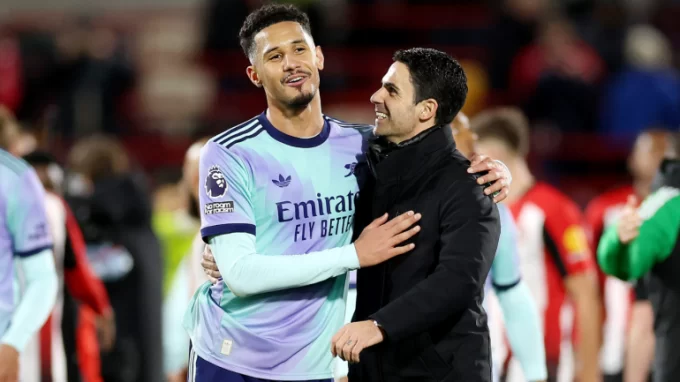
William Saliba: Arsenal’s Silent Architect or Its Greatest Gamble?
The air inside the Emirates shifts with unspoken tension—William Saliba, once a...
Joseph Bennett2 Mins read
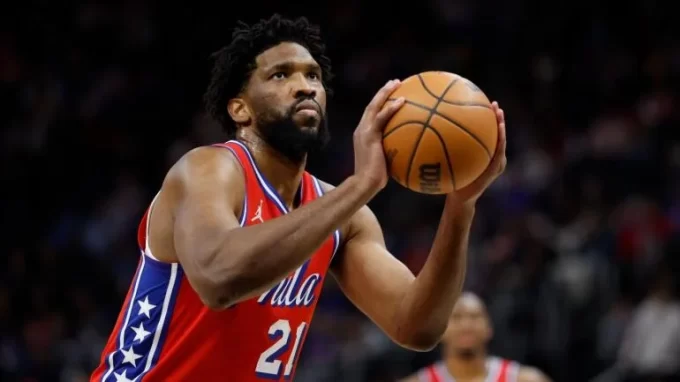
Joel Embiid’s Quiet Confidence: Is the 76ers’ Giant Ready to Rewrite His Story?
Joel Embiid is rarely one to make noise without purpose, and now,...
 Kirsten Collins1 Mins read
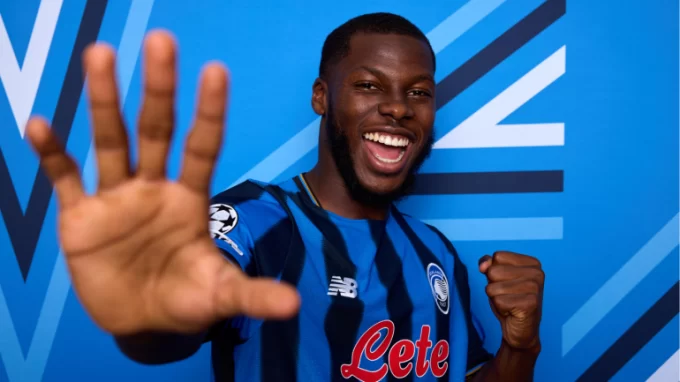
Juventus, Atalanta, and Arsenal’s Quiet Revolution: What’s Really Shaping This Week in Football?
The roar of Serie A stadiums masks a subtle shift, one that...
Kirsten Collins2 Mins read




Leave a comment