

The Wizard Behind the Curtain: Chris Columbus, J.K. Rowling, and the Magic of Controversy
Chris Columbus, the visionary who brought Harry Potter to life on the big screen, steps into the storm surrounding J.K. Rowling—offering a perspective that challenges, complicates, and invites us to reconsider what loyalty really means in the age of public reckoning.
 Chris MarksAugust 25, 20252 Mins read12
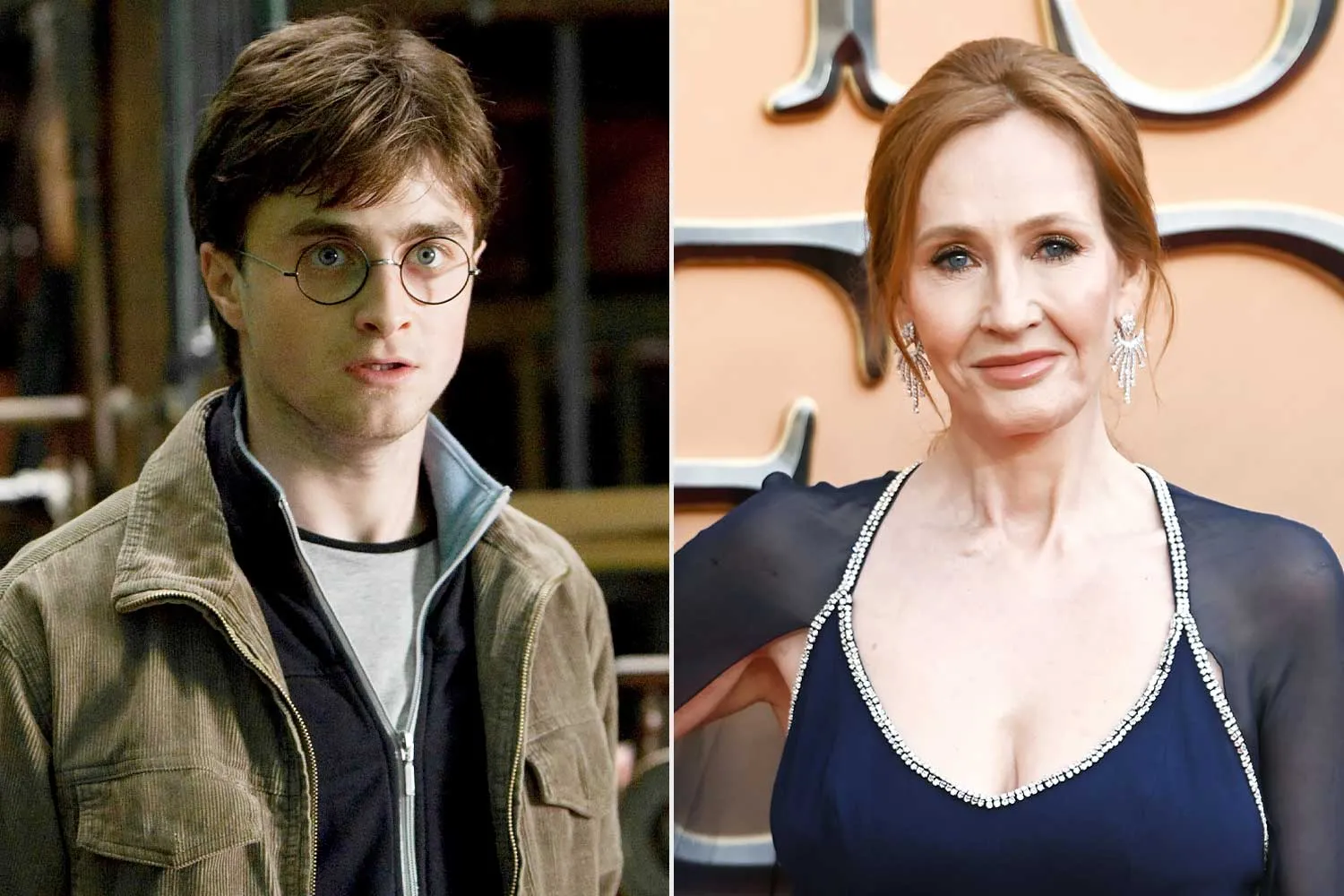
There is a peculiar silence when the man who shaped our childhood memories of Hogwarts speaks on the storm brewing around its creator. Chris Columbus—director of the first two Harry Potter films—does not speak with the facile certainty of a PR-trained surrogate. Instead, he carries the weight of complexity, of a loyalty that feels both personal and profoundly uneasy.
The Harry Potter saga was not just a film franchise; it was a cultural phenomenon stitched into the fabric of millions of lives. And yet, its architect, J.K. Rowling, finds herself at a crossroads that divides fans and foes alike—most notably over her controversial views on transgender issues. Columbus’s recent remarks reveal cracks in the seemingly unshakable alliance between creator and custodian.
The Guardian of a Legacy or the Enabler of a Controversy?
Columbus admits a struggle: “I’ve known Joanne for years. She’s a brilliant storyteller, but this conversation is complicated.” The filmmaker’s hesitation echoes a broader cultural dilemma—how do you separate art from artist when their voices clash in the public square? Is it possible, or even desirable, to shield beloved stories from the storms of their creators’ convictions?
This isn’t mere fan quarrel; it’s a fundamental question about the power dynamics in storytelling. Columbus’s position feels like a tentative bridge—respect for Rowling’s craft tangled with a quiet acknowledgment of the discomfort her statements have caused.
When Magic Meets Modernity
The Harry Potter films opened a portal to a fantasy world, but the real world refuses to be silenced by spells or incantations. Columbus’s reflections remind us that cultural icons live in a constant state of negotiation with the era that consumes them. The director’s words—careful, yet revealing—challenge the myth of the infallible creator, exposing instead a human frailty.
One can’t help but wonder: as Hollywood reckons with accountability, where do the keepers of such legacies stand? Do they wield power to reshape narratives beyond the page and screen, or are they trapped by the histories they helped craft?
In the end, Columbus’s voice feels like a whisper behind the roaring crowd, asking us to look beyond simple binaries. To question loyalty, to consider discomfort, and perhaps to accept that some stories are as complicated as the lives behind them.
And maybe that’s the real magic: not in spells or wands, but in the uneasy, unanswerable questions left hanging in the shadows.







Start the New Year by Investing in Yourself – Hollywood Life
Image Credit: European Wax Center The new year is all about fresh...
 Kirsten Collins2 Mins read

Where Is Liam Conejo Ramos Now? Updates on 5-Year-Old’s ICE Detainment – Hollywood Life
Image Credit: Getty Images Liam Conejo Ramos came home from preschool while...
Kirsten Collins2 Mins read
Who Is Harry Styles’ ‘Aperture’ About? Breakdown of the Lyrics – Hollywood Life
View gallery Image Credit: Getty Images We’ve doing doing all this late...
Kirsten Collins1 Mins read
When Are the Oscars 2026? Date of the Academy Awards – Hollywood Life
Image Credit: AFP via Getty Images The Oscars are officially on the...
Kirsten Collins1 Mins read




Leave a comment