

GLP-1 Glow-Up Interrupted? FDA Targets Compounded Weight-Loss Drugs
After shedding pounds with compounded GLP-1s, patients now face a regulatory curveball. A new FDA rule could restrict access—raising questions about safety, affordability, and who gets to keep their results.
 Kirsten CollinsApril 2, 20251 Mins read201

It started with promise: access to powerful weight-loss drugs like semaglutide (GLP-1 agonists) without the waitlists, the shortages, or the sticker shock. For thousands of Americans, compounded GLP-1s—custom formulations made by pharmacies—became a backdoor to transformation.
Now, the FDA may be closing that door.
A new rule under review would restrict the ability of pharmacies to compound versions of GLP-1 drugs like Ozempic and Wegovy, even as demand surges and supply remains patchy. The reasoning? Patient safety. The concern? That some compounded versions don’t meet exacting standards or may be made with unverified ingredients.
But for patients who’ve already lost weight, stabilized blood sugar, and regained confidence, the shift feels like a betrayal. Will they be forced to switch—or stop altogether?
Safety vs. Access: A Familiar Tension
This isn’t the first time the FDA has cracked down on compounded medications, which exist in a regulatory gray zone between custom care and mass-market drugs. When a branded drug is in short supply or unaffordable, compounders often step in to fill the gap. But without FDA approval or large-scale trials, oversight can be inconsistent.
Supporters of the rule say it’s about ensuring consistency and preventing harm. Critics say it will disproportionately affect lower-income patients and those without insurance, who turned to compounded semaglutide because they had no other option.
What’s more, patients often don’t want the branded version—they want what’s been working. And fast. One user, who lost over 60 pounds in 2024, put it bluntly: “I can’t afford $1,200 a month. This is my only shot.”
The Body as Battleground
Beneath the regulatory language is a human story: people finally feeling in control of their bodies, only to have that control threatened by bureaucracy. And once again, access to health becomes a question of privilege. Who gets to continue? Who gets cut off?
The FDA’s final decision will ripple far beyond pharmacies. It will shape how innovation meets affordability—and whether America’s weight-loss revolution remains inclusive, or becomes exclusive all over again.
- change
- Compounded
- compounded GLP-1s FDA rule
- compounded semaglutide ban
- compounded vs brand GLP-1
- FDA
- FDA compounded drug crackdown
- FDA ruling on compounded medications
- GLP-1 access for patients
- GLP-1 drug availability
- GLP-1 shortages FDA
- GLP-1 weight loss drug regulation
- GLP1s
- Lost
- Ozempic alternatives 2025
- Rule
- semaglutide access changes
- Weight
- weight loss drug regulation






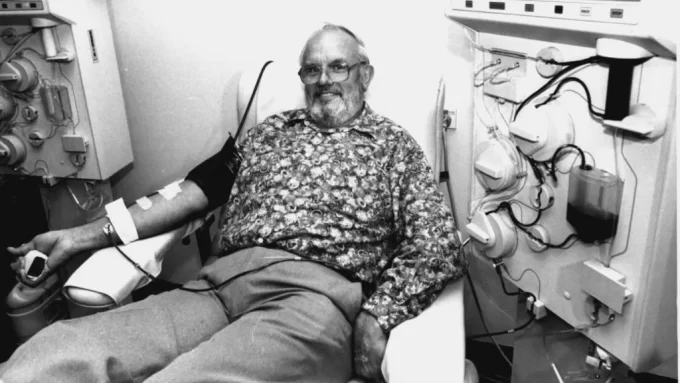
The Man Who Bled for Millions
He saved over 2.5 million babies, but no one ever recognized him...
Kirsten Collins2 Mins read

The Silence Before the Sneeze
A dead bird, limp on the edge of a sidewalk in Guangdong,...
Kirsten Collins2 Mins read

The Fetishization of Fear: RFK Jr. and the Vaccine Fetuses Lie
It begins, as these things always do, with a whisper dressed as...
Kirsten Collins2 Mins read

The Lie That Keeps Mutating
The seduction of scandal is ancient, but its latest host is disturbingly...
Kirsten Collins2 Mins read





Leave a comment