

When Pride Costs a Seat: The Diamondbacks Fan Fallout
A single taunt cost a fan their stadium privileges—could a moment of cruelty be a reckoning? Bold forces are clashing in baseball, and nothing feels accidental.
 Joseph BennettJune 25, 20251 Mins read23
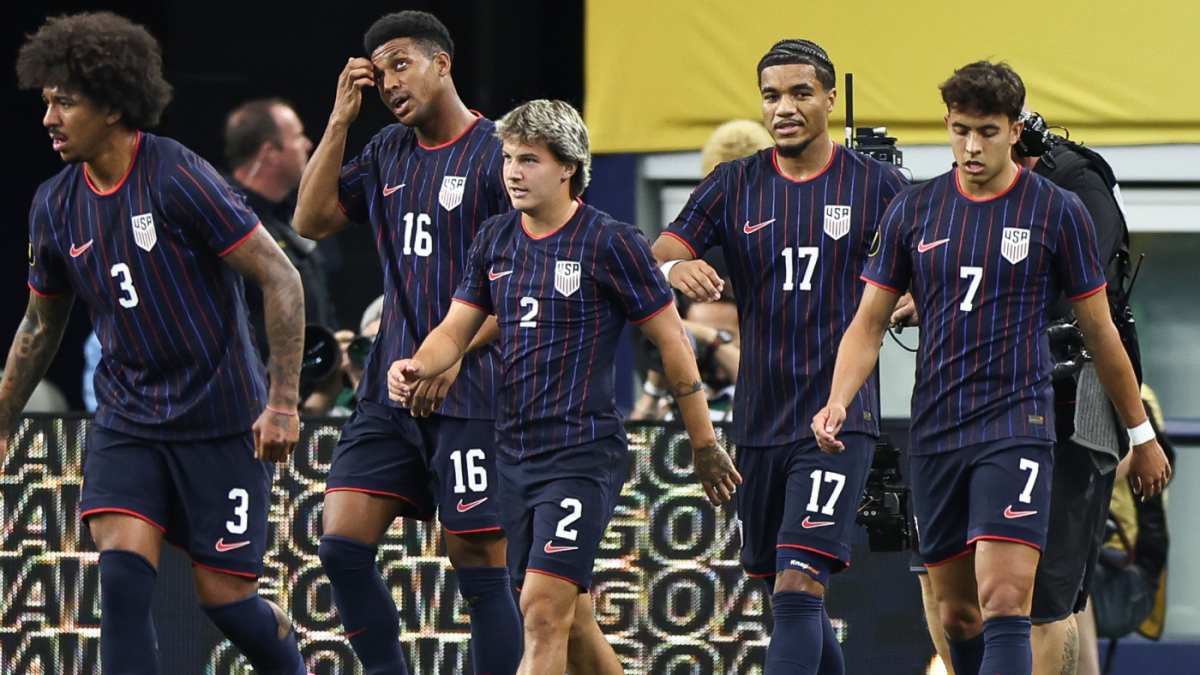
He leaned over the railing, voice sharp enough to shatter a dugout’s silence—“Your mom’s in heaven, huh?” The moment rippled through Chase Field like a jagged shard, exposing raw lines between grief and fandom.
Inside that same stadium, Ketel Marte swallowed the insult—and it wasn’t just words. His mother passed away last year, and here it was, laid bare by a stranger’s cruelty. The Diamondbacks acted swiftly: indefinite stadium ban. But when does justice stop and performative outrage begin?
Echoes of empathy or blank spectacle?
A player loses his mother; a fan loses their access. The symmetry feels stark. “We have no tolerance for abuse,” the team declared—an ironclad stance or a PR shield? Sports have long trafficked in raw emotion, but what becomes of a culture that weaponizes mourning?
Where grief meets the game
The ban amplifies an uncomfortable truth: stadiums are sacred yet savage. Roars and taunts are woven into the narrative of baseball—until someone crosses an unspoken boundary. The team’s zero-tolerance policy now stands test: will empathy shape the next era of fandom, or will lines blur again when the lights dim?
And back at home plate, who’s policing the collective conscience? If a fan can be exiled for mockery, are we inching toward a future where stadiums mirror moral courts? Or is this just another chapter in the curated storm of sports outrage?
This isn’t a tidy ending. It’s a question thrown into the crowd like a fastball: who belongs in the grandstand—and who doesn’t?






Barcelona’s Fragile Pursuit: When Injuries Threaten More Than Just a Season
A silence spreads over Camp Nou that no roar can drown out—two...
 Chris Marks2 Mins read
William Saliba: Arsenal’s Silent Architect or Its Greatest Gamble?
The air inside the Emirates shifts with unspoken tension—William Saliba, once a...
Joseph Bennett2 Mins read
Joel Embiid’s Quiet Confidence: Is the 76ers’ Giant Ready to Rewrite His Story?
Joel Embiid is rarely one to make noise without purpose, and now,...
 Kirsten Collins1 Mins read
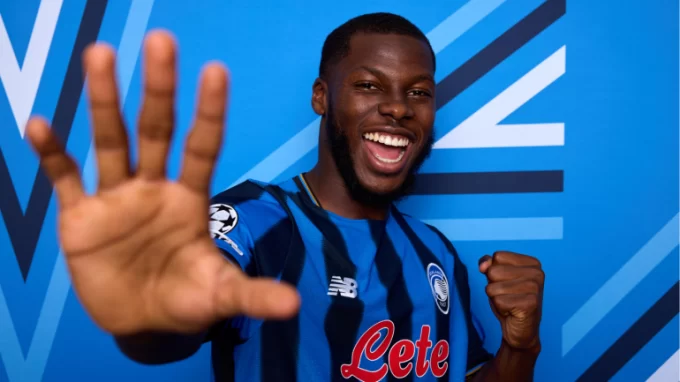
Juventus, Atalanta, and Arsenal’s Quiet Revolution: What’s Really Shaping This Week in Football?
The roar of Serie A stadiums masks a subtle shift, one that...
Kirsten Collins2 Mins read





Leave a comment