

Gold Fever in the Steppes: How Central Asia’s Hidden Economies Are Quietly Shining
While the world watches Wall Street and Shanghai, Central Asia is quietly thriving. Fueled by a surging gold price, nations long viewed as peripheral are turning their mineral wealth into economic leverage.
 Krista FreelandMarch 27, 20251 Mins read116
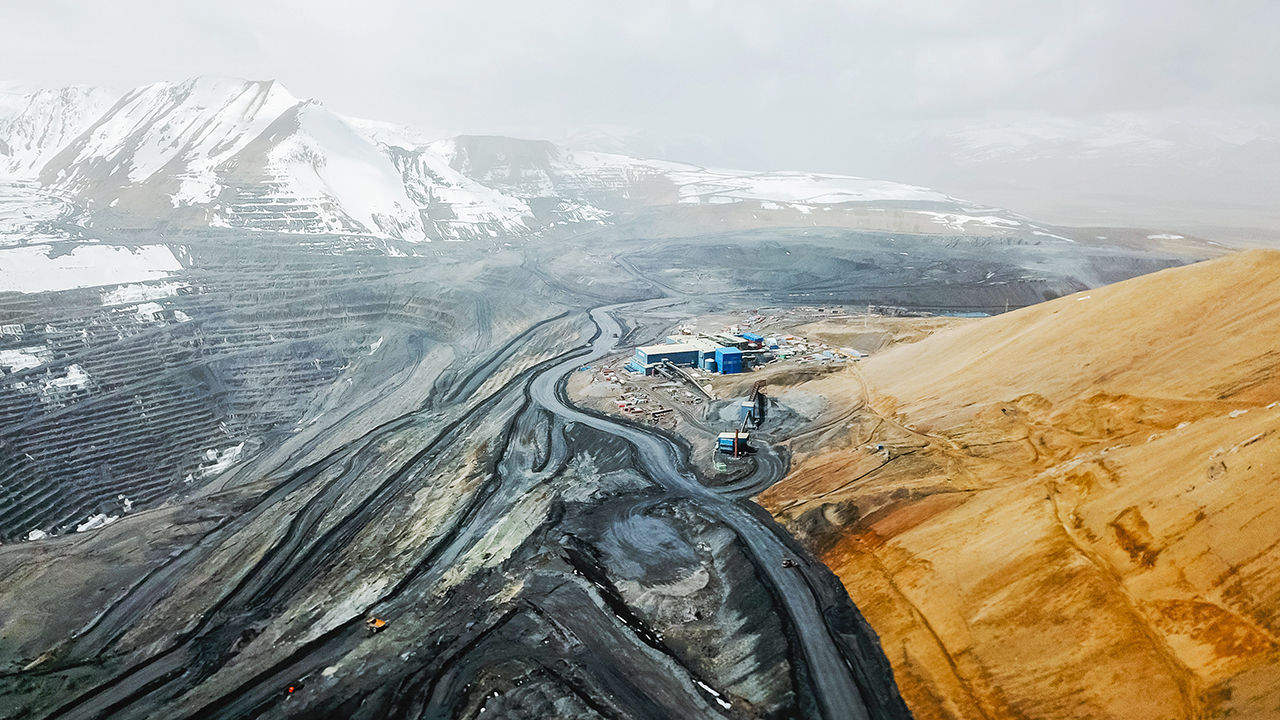
In the shadow of great empires and greater headlines, a quiet economic shift is unfolding on the ancient Silk Road. It’s not crypto, not AI, not the next IPO darling—but gold. The old world metal is surging, and Central Asia is cashing in.
From Kazakhstan to Kyrgyzstan to Uzbekistan, gold has become more than just a hedge against inflation or a geopolitical safe haven—it’s an engine of revival. These landlocked nations, often overlooked by investors and underplayed in policy rooms, are now shimmering with newfound leverage.
More Than Dust and Dreams
This isn’t just a commodity story—it’s a sovereignty play. As global distrust in fiat currencies grows and U.S.-China tension stretches the geopolitical fabric thin, gold has reclaimed its throne. And in Central Asia, it was never dethroned to begin with.
In Kyrgyzstan, gold accounts for nearly half of total exports. In Uzbekistan, reforms have opened the mining sector to foreign players, while Kazakhstan has emerged as a refining hub with ambitions far beyond bullion. What binds them isn’t just the geology—but the moment. As one Uzbek official put it, “Gold doesn’t just fund our future. It protects it.”
Here, resource nationalism wears a quieter face. The West often views Central Asia through the lens of transit routes or Russian-China rivalry, but this gold boom is changing the narrative. These countries aren’t just pivots—they’re players.
Risky Riches and the Path Ahead
But with every boom comes a question of sustainability. Many of these nations still grapple with corruption, infrastructure gaps, and political volatility. And gold, while lucrative, is no substitute for diversified development. There’s also the danger of becoming too dependent—of letting gold become a golden cage.
Yet the current momentum suggests more than a blip. Central Asian states are investing in sovereign reserves, upgrading tech in their mines, and even exploring green standards to court Western markets. They’re not just exporting gold—they’re building credibility.
The quiet power of Central Asia isn’t in its flash. It’s in its patience. While the world gets distracted by tech bubbles and meme stocks, these economies are stacking something far more ancient—and arguably, far more stable.
The steppe is stirring. And this time, it glitters.







How Much Will Trump’s Policies Really Cost Wall Street?
When Donald Trump first took office, his policies were sold as a...
 Kirsten Collins2 Mins read

Milken 2025: The Party of the Rich, Amid a World Falling Apart
The night was electric in a way that only a private, star-studded...
 Joseph Bennett3 Mins read

Buffett, Cook, and the Quiet War for America’s Soul
There was a moment, barely a second long, when Warren Buffett’s smile...
Joseph Bennett3 Mins read

The Deception Behind the Deal: How Bait-and-Switch Pricing Is Shaping Our Desires
It’s the perfect price—a promise of a deal that seems too good...
Joseph Bennett3 Mins read



Leave a comment