

What If the Future of Storytelling Lives in a Dragon’s Whisper?
Grace Lin isn’t just publishing another middle-grade novel—she’s crafting a quiet rebellion, one page at a time, for the children who’ve long been told their stories don’t matter.
 Chris MarksMay 6, 20251 Mins read23
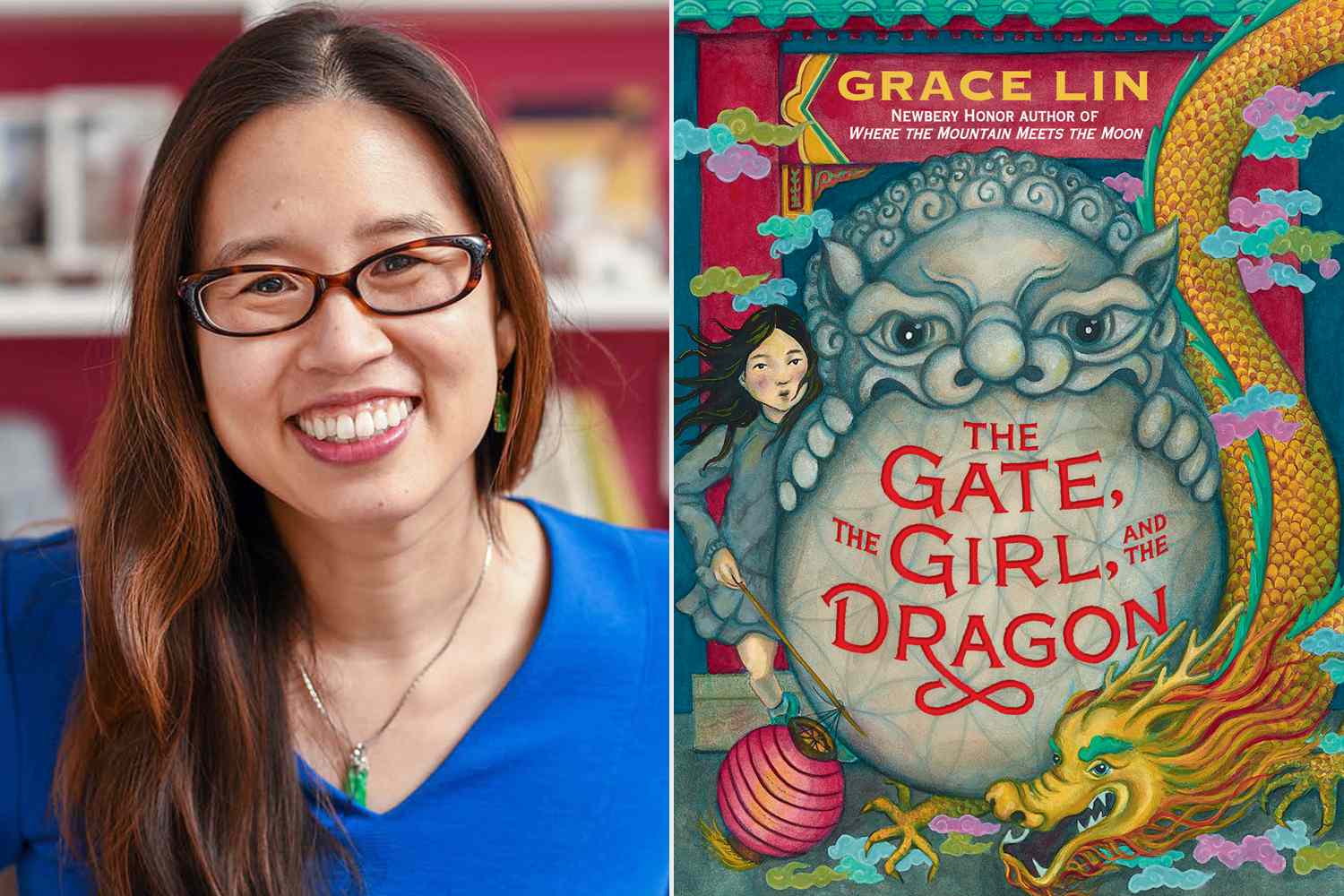
Danielle Tait; Little, Brown Books for Young Readers
A child is told that her story is too quiet. Too foreign. Too unrelatable. So she whispers it into the wind—and one day, Grace Lin catches it. That’s the kind of hush this new book carries. Not silence, but breath held. And make no mistake: this isn’t just another children’s novel—it’s a coded message to anyone who has ever felt like a footnote in someone else’s fantasy.
Lin’s new middle-grade novel emerges not with fanfare but with myth, memory, and a gentle defiance. Dragons, yes—but not for spectacle. Journeys, yes—but ones that travel inward as much as out. At a time when algorithms and algorithms’ children are fed synthetic tales of sameness, Lin’s offering feels dangerous in its sincerity. Because it doesn’t beg to be read—it dares you to listen.
The Hidden Architecture of Power in Children’s Stories
So much of children’s publishing is performative diversity: one brown face on a cover, one holiday shoehorned into a subplot. But Lin has always played a longer game. Her stories are not add-ons to a white canon—they are canons of their own, steeped in Chinese folklore, diasporic longing, and a near-religious reverence for heritage.
What she does with this new novel—part myth, part fable, part quiet revolution—is more architectural than narrative. She builds belonging. Slowly. Brick by sentence. “I wanted to give children a place they didn’t have to explain,” Lin said once in an interview. It’s less about cultural education and more about literary sovereignty. And that’s a far more radical act.
Why Imagination Still Scares the Gatekeepers
Let’s not pretend the stakes are low. When stories like Lin’s reach classrooms, libraries, bedtime stacks, something tectonic shifts. The dominant narratives—clean, Western, digestible—are forced to make space. And that discomfort? That’s power. That’s the soft violence of representation: it doesn’t scream, it unsettles.
Lin’s latest book floats on dragon wings, yes—but it lands like prophecy. In a world increasingly obsessed with speed and virality, she offers something exquisitely uncool: reflection. Legacy. Lineage. The slow burn of wonder. And isn’t that the most subversive thing we can give a child today?
So what happens when enough children stop apologizing for their stories—and start building new worlds instead?








When “107 Days” Meets Outcry: Harris’s Book Tour Interrupted
The microphone crackled to life, and before Harris could finish her opening...
Chris Marks1 Mins read
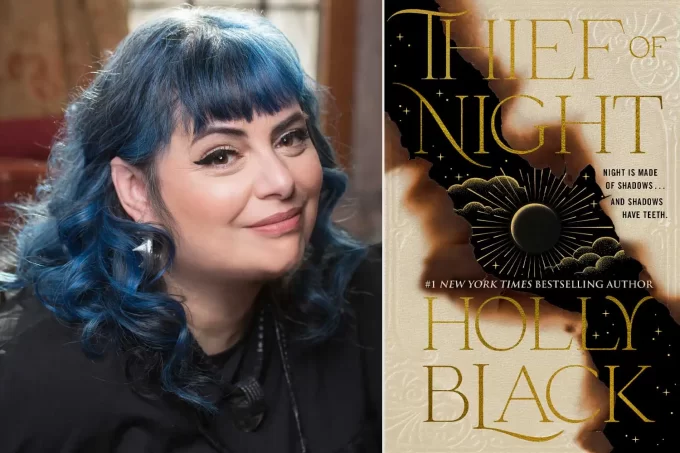
Whispers in the Shadows: Why Holly Black’s Sequel Is a Dark Invitation We Can’t Ignore
The night isn’t just dark—it’s ravenous, greedy, and it’s coming for you....
Chris Marks2 Mins read

Why Stephenie Meyer’s Regret About Edward Changes Everything You Thought You Knew
The moment Stephenie Meyer admitted she wouldn’t pick Edward Cullen today, a...
Chris Marks2 Mins read

When Fear, Fury & Feathers Collide: Cinema, Superheroes, and a Confessional Album
Open with tension—the kind that threads through a scream, a reveal, and...
Chris Marks2 Mins read





Leave a comment