

The Loneliest Song at the Loudest Festival
At Lollapalooza, Gracie Abrams summoned Robyn to the stage—and together, they transformed a generation’s heartbreak anthem into something eerily communal. But was it nostalgia… or a warning?
 Joseph BennettAugust 1, 20252 Mins read22

It wasn’t just the scream from the crowd—it was the silence before it that cracked the air. A beat dropped. Then a gasp. Then the unmistakable glittering ache of Robyn’s Dancing On My Own, a song written for 2 a.m. sidewalks and 3 a.m. bathrooms, suddenly pulsing through the sun-bleached sprawl of Lollapalooza. But this wasn’t Robyn alone. This time, it was Gracie Abrams who began the song—delicately, almost nervously—before Robyn herself emerged, like a ghost from another decade, all sequins and stillness.
The crowd didn’t erupt so much as dissolve. Phones rose like a forest of proof. Everyone seemed to know what was happening, even if no one quite believed it. And that—perhaps—is the exact alchemy that made this moment matter. Not because it was unexpected, but because it was inevitable.
When the Sad Girls Sing Together
Gracie Abrams was never supposed to carry the weight of a generation. But somehow, she’s become the lowercase-emotion poster child of a cultural moment too tender for irony. She sings like someone whispering secrets into an iPhone mic under the covers—vulnerable, yes, but also strategic. Her selection of Dancing On My Own wasn’t just sentimental. It was surgical. Robyn’s heartbreak hymn has long functioned as emotional shorthand: lonely yet defiant, euphoric yet desolate.
Bringing Robyn out wasn’t a surprise stunt. It was a bridge. A signal flare between millennial ache and Gen Z melancholy. “I grew up crying to this song,” Gracie said, almost apologetically, “but also dancing. I guess that’s the point, right?” The audience laughed. But no one disagreed. Because Dancing On My Own doesn’t age—it mutates. It adapts. It becomes the soundtrack for whatever version of aloneness the moment requires.
Pop’s Cathedral of Shared Solitude
Robyn stood beside Gracie like a myth rendered mortal. She didn’t overshadow; she amplified. The duet felt more like a passing of the crown—or perhaps the weight. What struck most wasn’t their voices, but their restraint. They didn’t belt it out. They held it in. The pain wasn’t in the notes. It was in the way they refused to shatter.
And the crowd? It didn’t just sing. It testified. A hundred thousand lonely hearts harmonized not with performance, but with memory. This wasn’t just a concert—it was communion. “Who knew sadness could be so loud?” one girl murmured behind me, mascara streaked, glitter catching in the breeze like ash.
It begs the question: why this song? Why now? Perhaps because Dancing On My Own remains the last pop track brave enough to admit that being alone in public is the most modern tragedy of all.
So there they were: Robyn, Gracie, and the raw chord of shared heartbreak vibrating across a field of strangers. A sad song masquerading as a banger. Or maybe the other way around.
And just before the final chorus, a pause. Not a missed cue—an offering. A breath.
In that breath, every person remembered someone they’d lost, or left, or couldn’t get close enough to.
And in the echo of that memory, it became clear: maybe we were never dancing alone at all.






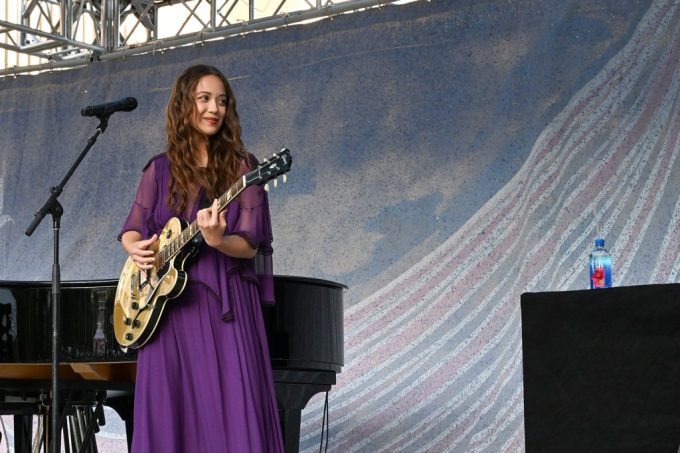
Laufey’s Opening Night Show at LA’s Crypto.com Arena: Best Moments
Laufey opened a two-night stand at Crypto.com Arena in downtown Los Angeles...
 Chris Marks6 Mins read
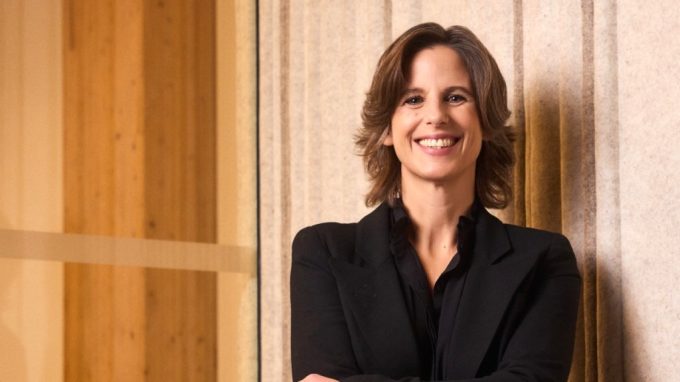
Julie Adam Is Billboard Canada Women in Music’s 2025 Exec of the Year
Julie Adam is having a milestone year — and it’s getting even...
Chris Marks4 Mins read

Spinal Tap Tribute Album with Foo Fighters,Tool for Teen Cancer America
Spinal Tap may be a fake band, but its music is very...
Chris Marks2 Mins read
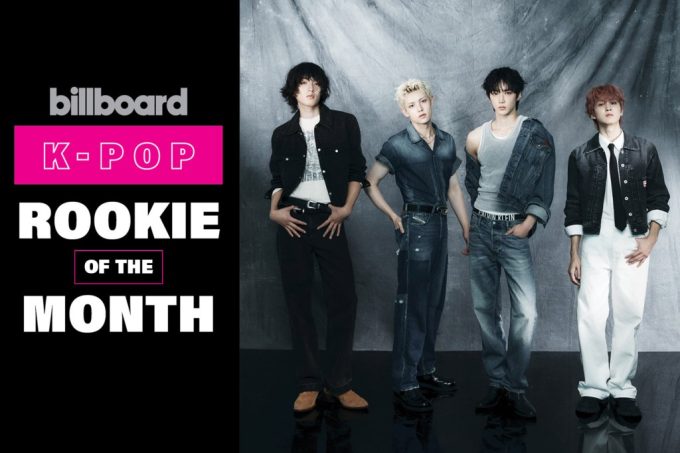
AxMxP Is K-Pop Rookie of the Month for September: Exclusive Photos
Ha Yoo Joon Image Credit: Chin Soyeon You debuted on Sept. 10....
Chris Marks2 Mins read





Leave a comment