

Guns, Grit, and Galaxies: Why Mobile Games Like Hitman: Sniper, To the Moon, and ATOM RPG Are Reshaping Escape
From moody assassins to post-apocalyptic wanderers and pixelated poetry, this latest lineup of mobile games suggests one thing: the small screen is now our biggest portal for immersive storytelling.
 Kirsten CollinsApril 4, 20251 Mins read44
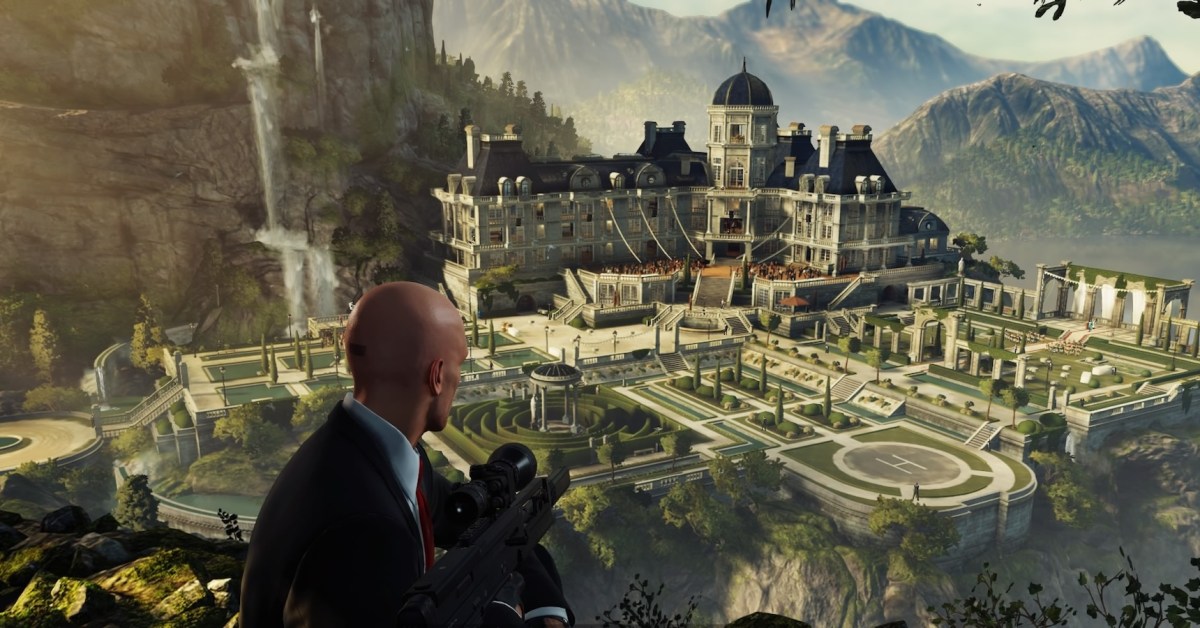
It starts with a tap. A slow-loading screen. A menu pulsing with promise. And suddenly, you’re not on your lunch break anymore—you’re in the ruins of a nuclear wasteland, or perched silently with a sniper rifle, or wandering through someone else’s dreams in pixelated twilight.
This is mobile gaming now. Not candy-colored puzzles or 30-second dopamine bursts, but immersive experiences that linger long after your phone locks. The recent surge of titles like Hitman: Sniper, To the Moon, and ATOM RPG points to something deeper: the mobile screen has matured from distraction to destination.
Snipers and Souls on the Same Platform
Hitman: Sniper is sleek and methodical, offering the cold thrill of precision and planning. You’re not button-mashing. You’re thinking—calculating with icy calm. In contrast, To the Moon whispers rather than explodes. A game wrapped in memory, regret, and emotion, it feels like therapy in 8-bit form. And then there’s ATOM RPG, a bleakly rich Soviet-flavored echo of Fallout, proving that even desolation can be beautifully designed.
Together, these titles break the myth that mobile gaming is shallow. They invite depth. Reflection. Silence, even.
As one reviewer noted, “I downloaded this game to kill time. I ended up crying in public.”
The Small Screen, Reimagined
What’s striking isn’t just the stories—they’ve always been there—it’s where we’re consuming them. On commutes. In waiting rooms. Between texts. We’re not escaping to consoles. We’re escaping through our pockets.
And it’s not just indie devs catching on. Big studios and auteur developers are now building for mobile first, recognizing that intimacy and immediacy can sometimes outdo spectacle. Mobile games have become not just playable—they’ve become personal.
So next time you unlock your phone, think twice before scrolling. The sniper, the survivor, the dreamer—they’re all waiting. Not to entertain you, but to take you somewhere real.
Even if it’s just for five minutes at a time.






Microsoft Is Cutting Thousands of Employees Across the Company
Microsoft Corp. said it will cut thousands of workers with a focus...
Kirsten Collins1 Mins read
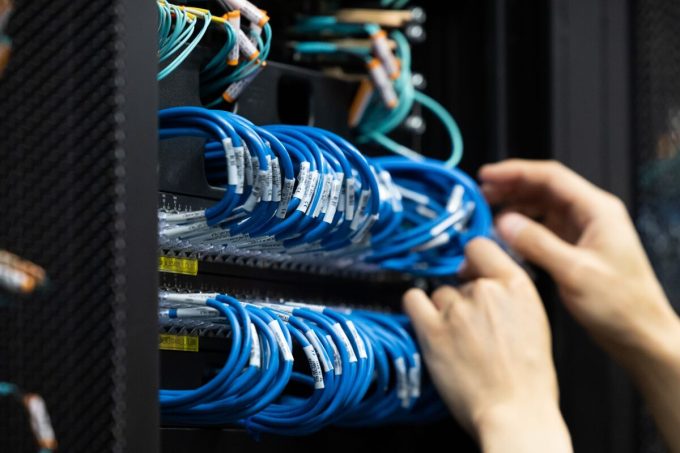
Intel Certifies Shell Lubricant for Cooling AI Data Centers
Intel Corp. has certified Shell Plc’s lubricant-based method for cooling servers more...
Kirsten Collins1 Mins read

UBS’s Lo Says Investors Diversifying From US to Gold, Crypto
UBS Group AG’s rich clients are increasingly shifting away from US-dollar assets,...
Kirsten Collins1 Mins read
Microsoft Among Software Stocks Offering Haven in Tariff Chaos
As the Trump administration’s trade war clouds the economic outlook, software stocks...
Kirsten Collins1 Mins read





Leave a comment