

Haim’s Ode to Stevie Nicks: More Than Music, a Mystical Reverence
When Haim calls Stevie Nicks “the greatest human being,” it’s more than praise—it’s a glimpse into a profound artistic lineage and a tantalizing teaser of new music that promises to redefine both their legacies.
 Krista FreelandJune 25, 20251 Mins read19
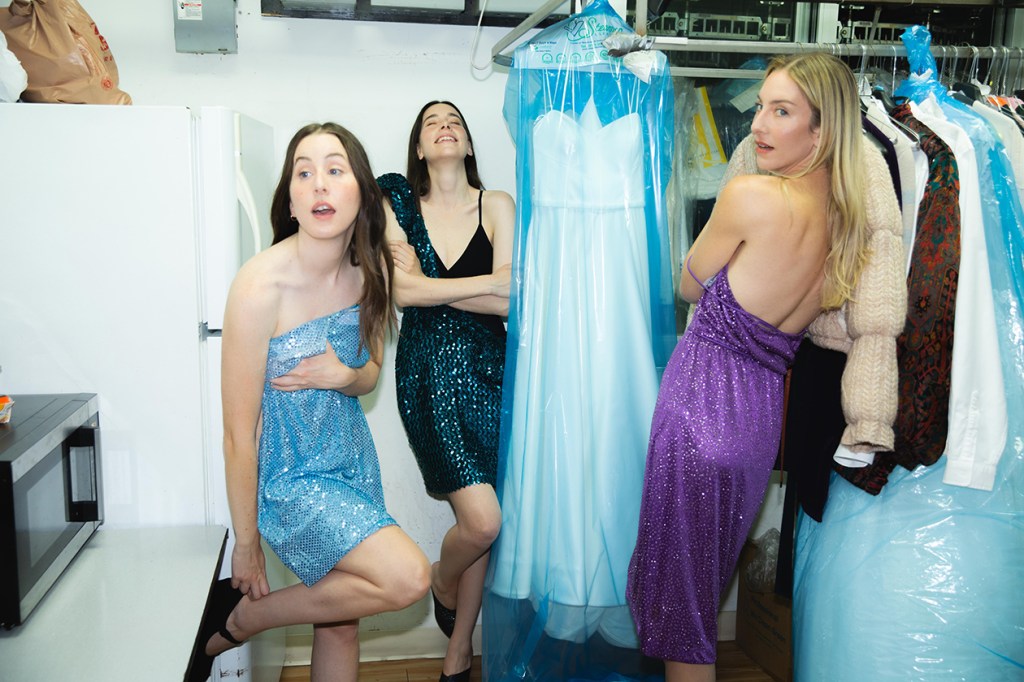
Stevie Nicks isn’t just a name whispered with reverence—she is a myth, a force, a siren calling through generations. So when Haim’s sisterhood openly declares her “the greatest human being,” it sends ripples far beyond a simple compliment. What unseen threads tie these artists, and what does this declaration mean for the future of their craft?
The cryptic hint of a new song from Haim feels less like a marketing tease and more like a spiritual relay, a baton passed from the golden past to an uncertain, electric present. Is this homage or transformation? Or perhaps something neither audience nor critics are prepared to fully grasp.
The Alchemy of Admiration
There is something almost sacred in Haim’s praise. Stevie Nicks has long been a muse, a mystic, a blueprint for artistic longevity. But calling her “the greatest human being” suggests an intimacy—an almost ineffable impact on their lives beyond music. “She’s a beacon,” one of the Haim sisters shared quietly, as if uttering a secret. What does it mean to venerate not just a musician, but the very essence of a person who has shaped the emotional architecture of an entire genre?
This is not mere fandom—it’s reverence, bordering on ritual. In an era of fleeting attention spans, could this be a call back to meaning, to depth, to lineage?
Echoes in the New Song
Hints of their forthcoming music hint at an intertwining of past and future. The question lingers: will Haim channel Stevie’s ethereal storytelling or disrupt it with a bold new voice? And why now, after years of carving their own distinct path, does this homage emerge with such intensity?
Music, after all, is never just sound—it is legacy, identity, myth. As Haim teases their new work, they invite us to reconsider how reverence fuels creativity, and how the greatest influences often dwell in the spaces between what is said and what remains mysteriously unspoken.
The truth in their words echoes longer than any note. Is Stevie Nicks simply the greatest human being, or is she a mirror reflecting what artists—past and present—aspire to become? And as the music unfolds, will we recognize that greatness as our own?






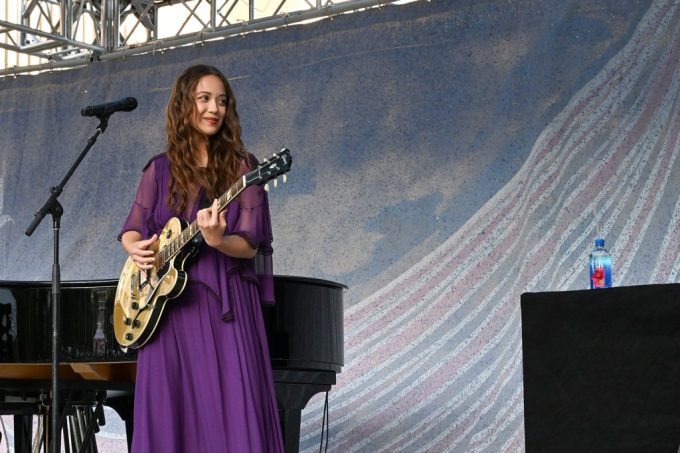
Laufey’s Opening Night Show at LA’s Crypto.com Arena: Best Moments
Laufey opened a two-night stand at Crypto.com Arena in downtown Los Angeles...
 Chris Marks6 Mins read
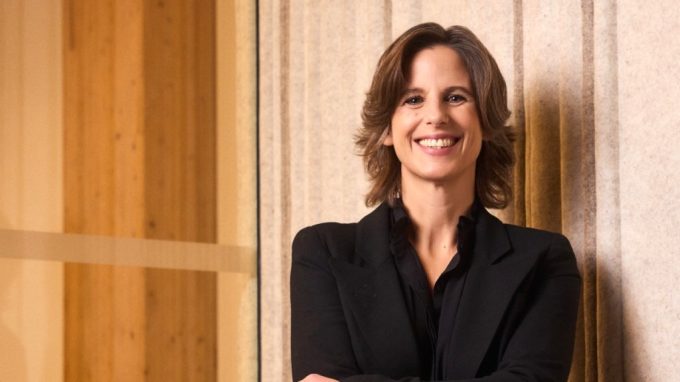
Julie Adam Is Billboard Canada Women in Music’s 2025 Exec of the Year
Julie Adam is having a milestone year — and it’s getting even...
Chris Marks4 Mins read

Spinal Tap Tribute Album with Foo Fighters,Tool for Teen Cancer America
Spinal Tap may be a fake band, but its music is very...
Chris Marks2 Mins read
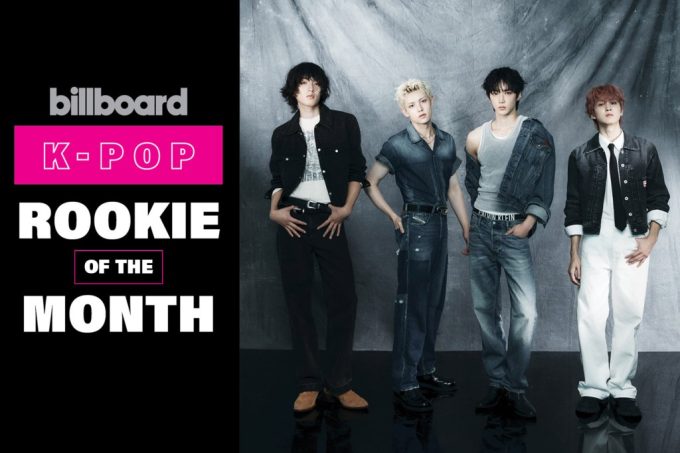
AxMxP Is K-Pop Rookie of the Month for September: Exclusive Photos
Ha Yoo Joon Image Credit: Chin Soyeon You debuted on Sept. 10....
Chris Marks2 Mins read





Leave a comment