

Too Messy for Bond: Taron Egerton and the Death of the Pristine Man
When Taron Egerton turns down Bond, he isn’t just declining a role—he’s declawing a cultural relic. What does it mean when the next generation of stars no longer wants to wear the tux?
 Chris MarksJuly 30, 20252 Mins read17
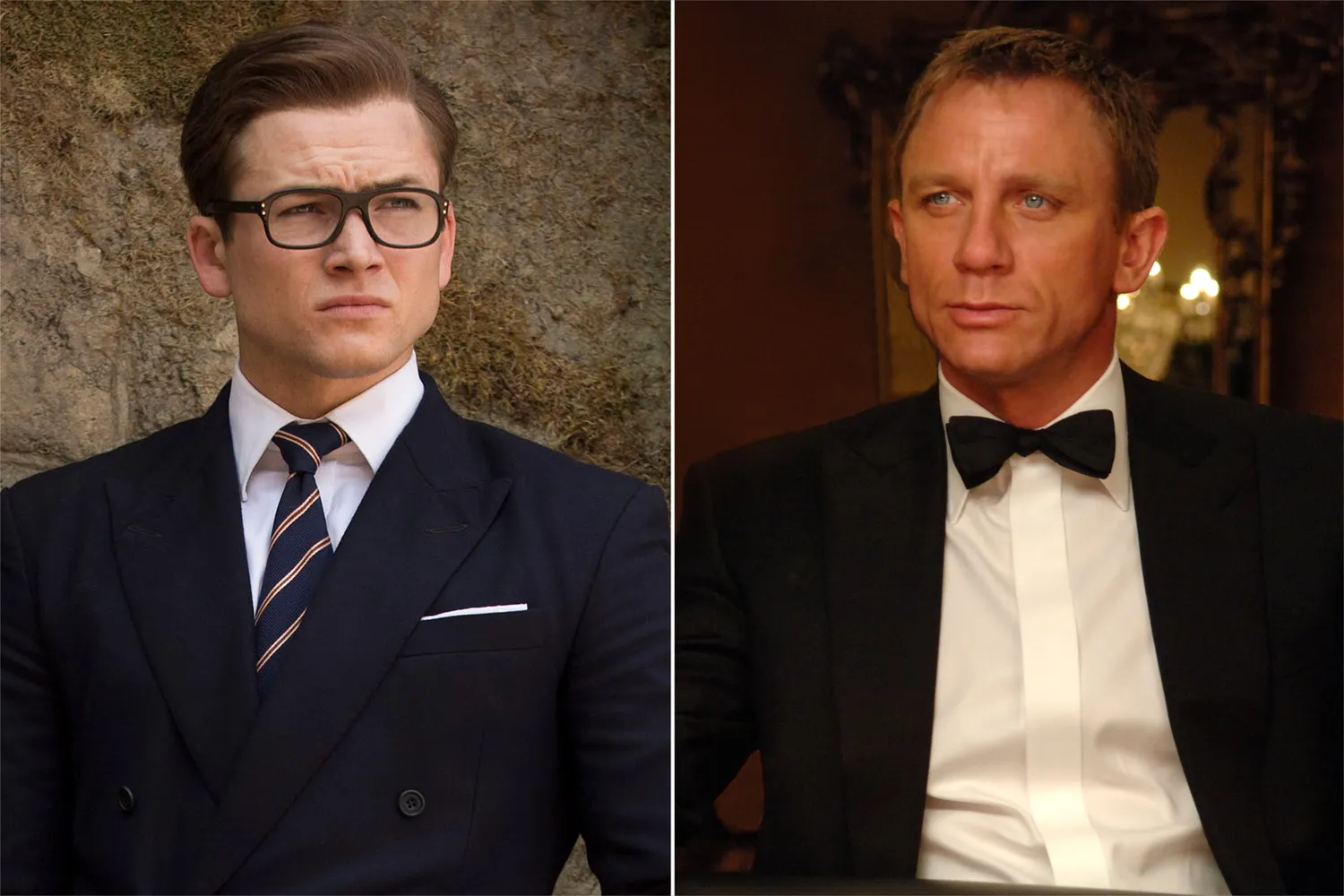
It wasn’t a press release or a carefully choreographed media moment. It was a whisper with the weight of a sledgehammer. “I don’t think I’m the right choice for Bond,” Taron Egerton told The Hollywood Reporter, brushing past the role with the same casual disinterest you’d reserve for an expired parking ticket. No scandal. No salacious gossip. Just a refusal. Quiet. Clean. And somehow, more disruptive than anything stirred in a martini glass.
Egerton—best known for sharp tailoring and sharper cheekbones in Kingsman—could’ve easily stepped into the Bond mythology. He had the pedigree, the wit, the brooding charm. And yet, he recoiled from it like a man dodging an old lover’s perfume. The reason? “I’m too messy.” In a world addicted to curated cool, this confession felt unedited, human, subversively modern. It wasn’t just about declining Bond. It was about dismantling him.
The Elegance of the Broken Man
James Bond, for all his cinematic evolution, remains a symbol lacquered in performance. He’s a tuxedo stitched in secrecy, seduction, and unspoken trauma. But today’s audience—trained to read between the velvet lines—doesn’t want a myth. They want a man who can cry on-screen without background strings swelling in apology. Egerton knows this. More than that—he embodies it.
“I like characters that feel,” he said once in an older Esquire profile, long before Bond rumors began circling him like MI6 drones. It’s not hard to imagine Egerton walking onto a Bond set, standing still as the machine attempts to turn him into marble. He wouldn’t just look out of place. He’d look bored. The world doesn’t need another unbreakable hero. It needs the cracks.
The timing is telling. Post-Craig, the Bond franchise is in existential limbo—searching, squinting. And maybe, in that gap, we’ve discovered something larger than casting. Maybe we’re watching the very blueprint of British masculinity lose its grip on the cultural imagination.
No License to Feel
To be Bond is to be untouched by the noise of feeling. To decline Bond, then, is a radical act of self-definition. Taron Egerton isn’t just stepping aside—he’s declaring that the icon is no longer aspirational, but archival.
And he’s not alone. Hollywood’s younger leading men—Paul Mescal, Josh O’Connor, even Timothée Chalamet—carry a different ache. They’re soft-edged, fragmented, and suspicious of archetypes. They’d rather weep on camera than wield a gun. Their rebellion isn’t in the punch. It’s in the pause.
The producers will, inevitably, find their next Bond. Someone charming, palatable, perhaps even diverse—wrapped in just enough danger to justify another round. But the question will linger like cigarette smoke in an old Aston Martin: who’s Bond for now? And what does it say when men no longer want to wear the crown?
Some roles define a career. Others define an era. Egerton’s rejection is neither. It’s something cooler, sharper, more intimate—a mirror held to a man and a myth, both cracking under the same pressure. As the tuxedo hangs quietly in wardrobe purgatory, we’re left wondering: what happens when the fantasy retires before the actor does?
And who, now, would even dare to order the drink?






Release Date & More of Margot Robbie Movie – Hollywood Life
Image Credit: Warner Bros. Pictures This isn’t your English class’ reading assignment....
 Kirsten Collins2 Mins read

How Many Inches of Snow Are We Getting? Amount in NY & More States – Hollywood Life
Image Credit: AFP via Getty Images Half of the United States is...
Kirsten Collins1 Mins read

When Does ‘American Idol’ 2026 Start? Season 24 Premiere Date – Hollywood Life
Image Credit: Disney American Idol is returning in early 2026, and this...
Kirsten Collins1 Mins read
Watch Video – Hollywood Life
View gallery Image Credit: Getty Images Guy Fieri showed off quite the...
Kirsten Collins1 Mins read




Leave a comment