

Benedict Cumberbatch’s Secret Insult: Elegance Meets Savage Wit
Benedict Cumberbatch, the actor known for his impeccable charm and intensity, reveals a favorite insult that cuts deeper than most—but what does it say about the man behind the roles?
 Joseph BennettAugust 25, 20251 Mins read24
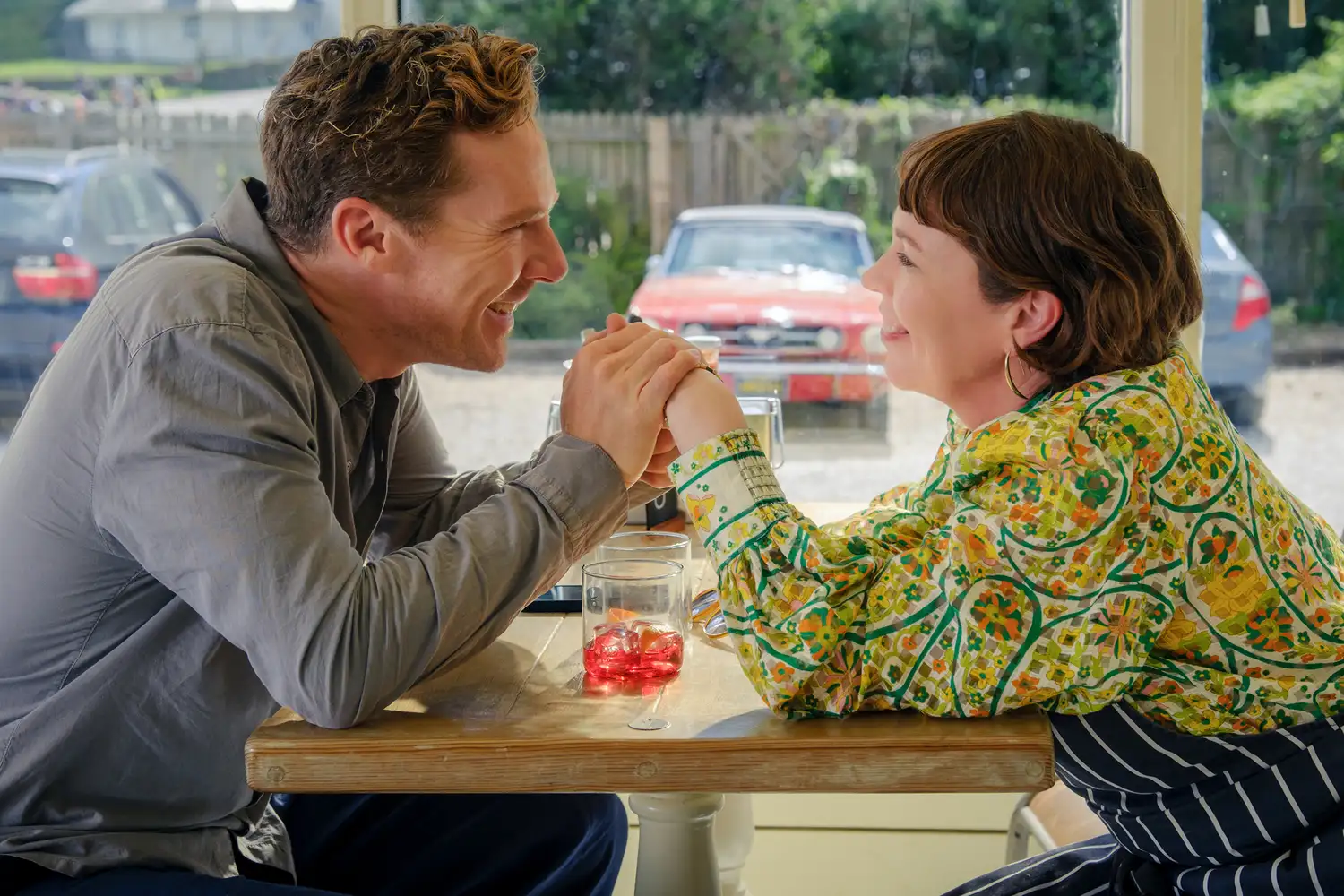
There’s a moment when Benedict Cumberbatch’s disarming smile slips into something sharper—an elegant weapon disguised as a phrase. His favorite insult, delivered with the precision of a master craftsman, isn’t just about clever wordplay. It’s a window into a mind that balances poise with a quiet, almost theatrical ferocity.
How often do we underestimate the power of language when wielded by someone who seems endlessly polished? To hear Cumberbatch describe “The Roses”—his signature cut—raises a question: can an insult be both devastating and exquisite, a fine art rather than a crude attack?
Polish in the Poison
“The Roses,” he says, “is the kind of insult that doesn’t scream—it lingers, like a whisper in a grand hall.” There’s a deliberate beauty here, a cultivated elegance that mirrors the roles he chooses—Sherlock, Doctor Strange, characters whose intellect is their weapon. But beneath the surface, this phrase encapsulates something more provocative: a commentary on civility and cruelty that invites us to rethink what we expect from public figures and their private jabs.
Is it possible that this delicacy in venom speaks to a broader cultural craving—for wit that wounds without losing grace? Cumberbatch’s insult is a paradox: it’s a refined dagger cloaked in silk, making us wonder whether the true art lies in how it’s delivered or what it reveals about the deliverer.
More Than Just Words
There’s a whisper of performance in every Cumberbatch interview. When he shares his favorite insult, it’s not simply for shock or amusement. It’s a coded message about identity, about the tightrope actors walk between public persona and private truth. “Sometimes the sharpest cuts are the ones you don’t see coming,” he reflects, leaving us to ponder the layers beneath his carefully curated exterior.
Why does the world crave a glimpse behind the polished veneer of its stars? Maybe because the shadows reveal as much as the spotlight. And in that space, where elegance meets edge, Benedict Cumberbatch’s favorite insult becomes less about words and more about power—silent, deliberate, and haunting.
What is the story behind “The Roses”? And what does it say about the man who wields it? Perhaps the true sting lies not in the insult itself, but in the mystery left behind.







Meet the Actors Behind the Netflix Series – Hollywood Life
Image Credit: Courtesy of Netflix The Straw Hat Pirates are setting sail...
 Kirsten Collins2 Mins read

Release Date, Plot, Cast & More Updates – Hollywood Life
Image Credit: The Hollywood Reporter via Getty Disney is officially bringing Tangled...
Kirsten Collins2 Mins read

Who Will Win 2026 Best Actor? – Hollywood Life
View gallery Image Credit: Getty Images Timothée Chalamet and Michael B. Jordan...
Kirsten Collins3 Mins read

Trailer, Release Date, Cast, Book & More – Hollywood Life
Image Credit: Getty Images for CinemaCon Ryan Gosling is going to space,...
Kirsten Collins2 Mins read



Leave a comment