

Rickey Thompson’s Confession: Is Marriage Just Another Performance?
Rickey Thompson, internet icon and fashion’s most expressive voice, opens up about love, masculinity, and why marriage might never be part of his story. But are we ready to hear the truth he’s actually telling?
 Chris MarksMay 6, 20252 Mins read17
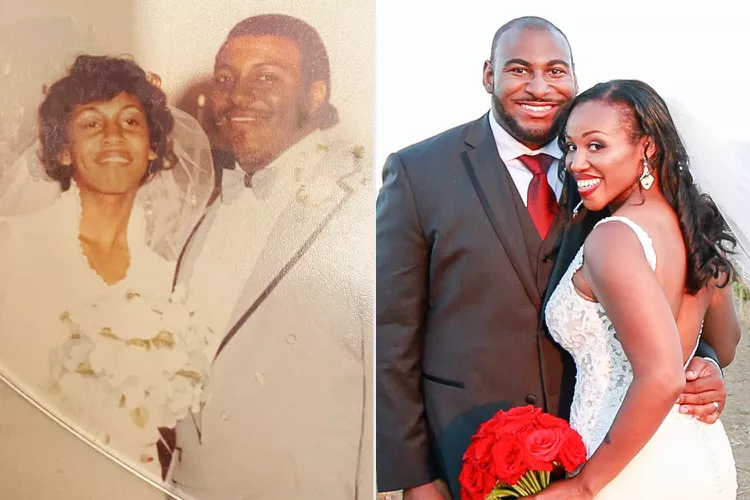
He looked in the mirror and said it aloud—”I don’t want to get married.”
Not in five years, not in ten. Not even after the “right one” waltzes into his orbit wearing cologne that smells like a late summer storm. For Rickey Thompson—whose internet stardom was built on bombastic charisma, quick-tongued wit, and undeniable style—the idea of marriage feels less like a goal and more like a costume. Tight in the shoulders. Too rehearsed. And for the first time, he’s saying it out loud.
His words aren’t bitter—they’re startlingly clear. In his new personal essay, Thompson writes with a vulnerability that cuts against the performative confidence we’ve come to expect. “I always thought I’d want the fairytale,” he says, “but the more I live, the more I realize that I am my own fantasy.” It’s not anti-love. It’s something more raw: anti-script.
The Myth We Keep Repeating
When someone like Rickey—Black, queer, flamboyant and fearlessly visible—declares that he doesn’t believe in marriage, it hits a fault line. There’s a cultural tension in hearing a man say he doesn’t want to be “somebody’s husband,” not because he can’t, but because he won’t. And not because he’s afraid, but because he’s finally honest.
So why does it sound like rebellion?
Marriage, for so long, has been the conclusion we’re trained to desire. The “reward” for surviving your twenties. But what happens when a generation begins to see it not as a reward, but a trap? A narrowing of possibility? Thompson isn’t advocating against connection. He’s rejecting the shape we’ve forced it to take. That’s what makes his stance quietly radical.
What If We Just… Chose Ourselves?
Thompson’s truth has less to do with romance and more to do with liberation. Not from love—but from expectation. What he’s writing about is freedom: the space to grow without being tethered to someone else’s timeline, tradition, or dream. It’s not loneliness; it’s sovereignty.
This shift mirrors a broader one. More and more, young queer people are reimagining what commitment looks like without conforming to a heteronormative structure. For Rickey, it looks like autonomy, friendship, chosen family—and maybe a little silence after the music fades.
But what do we lose when we give up the dream? And what might we finally gain?
The most powerful part of Rickey Thompson’s essay isn’t what he renounces, but what he reclaims. Himself. And maybe that’s the deeper question he’s whispering through the page: Who do you become when no one else is watching?





When “107 Days” Meets Outcry: Harris’s Book Tour Interrupted
The microphone crackled to life, and before Harris could finish her opening...
Chris Marks1 Mins read
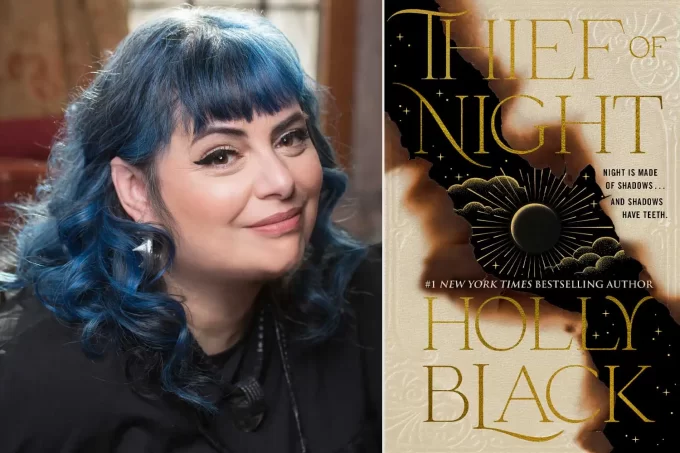
Whispers in the Shadows: Why Holly Black’s Sequel Is a Dark Invitation We Can’t Ignore
The night isn’t just dark—it’s ravenous, greedy, and it’s coming for you....
Chris Marks2 Mins read
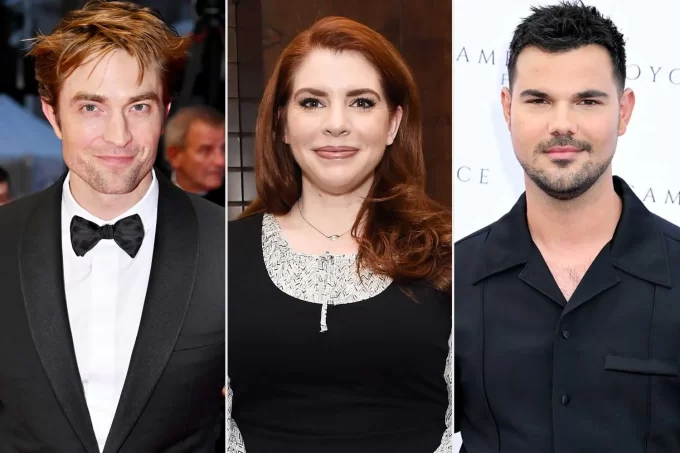
Why Stephenie Meyer’s Regret About Edward Changes Everything You Thought You Knew
The moment Stephenie Meyer admitted she wouldn’t pick Edward Cullen today, a...
Chris Marks2 Mins read
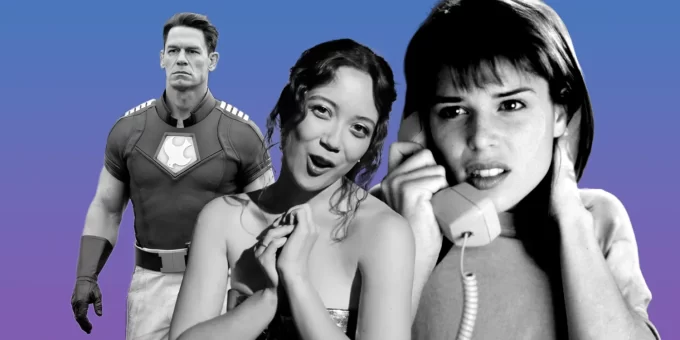
When Fear, Fury & Feathers Collide: Cinema, Superheroes, and a Confessional Album
Open with tension—the kind that threads through a scream, a reveal, and...
Chris Marks2 Mins read




Leave a comment