

Standing on Paper: When an Actor Is ‘Part’ of a Film—Without Ever Stepping Foot on Set
It's a cinematic paradox: an actor credited and promoted in full, yet physically absent from the set. This strange disconnect bends the rules of presence and makes us ask—what does it really mean to "star" in a movie?
 Kirsten CollinsSeptember 5, 20251 Mins read14
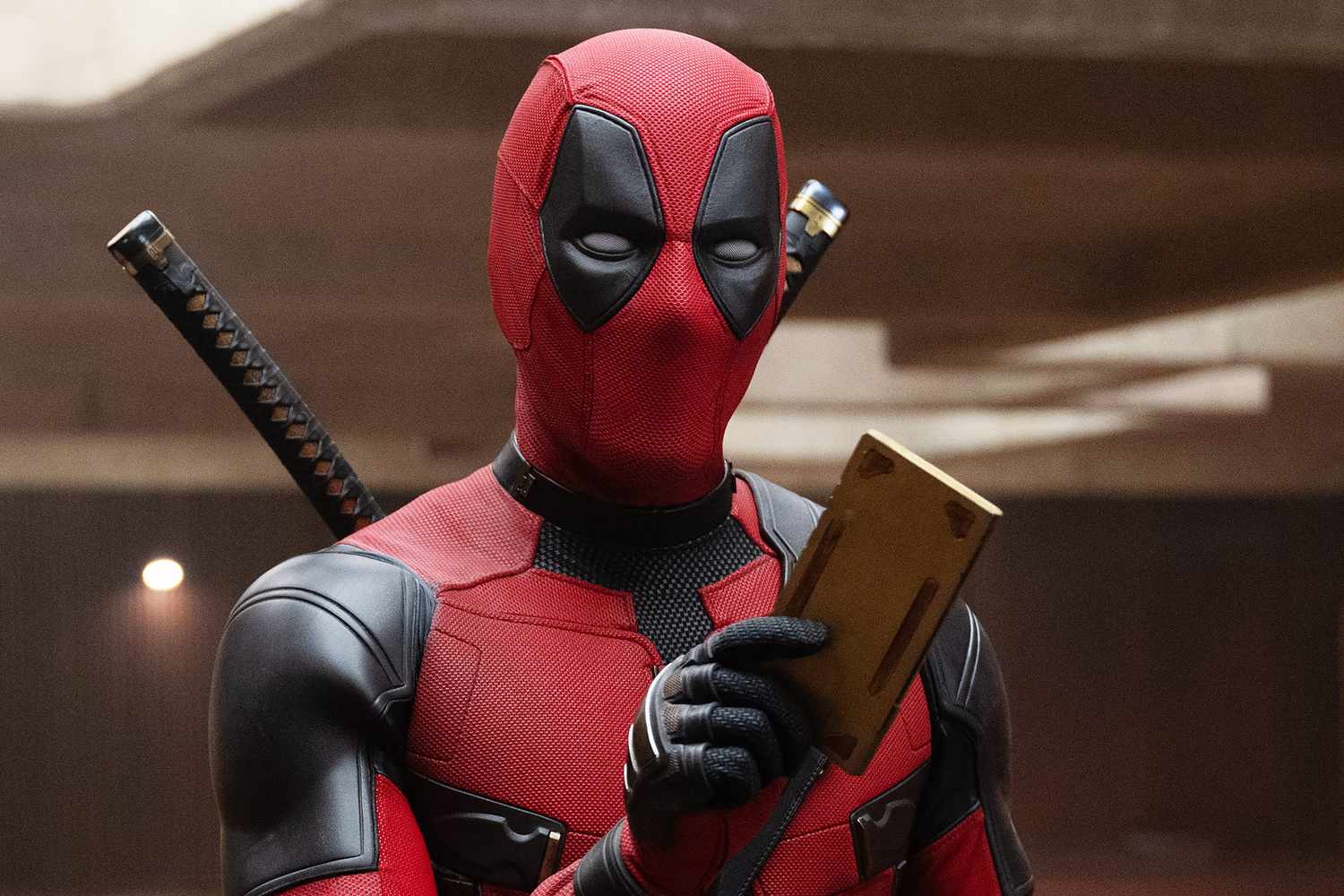
20th Century Studios/MARVEL
You read the credits: a name shines as lead, yet you scan the screen—and the actor is nowhere to be seen. Somehow, one can be central to a film even in absence. It’s not a deliberate trick of promotion but a quiet riddle—how do roles get credited when the body never crosses the set?
This isn’t a cheat on contract or script—it’s a crack in the mirror of our expectations. You’re left to question the architecture of cinema: is presence defined by frames lit or by contracts signed? The absence screams louder because we expect the actor’s silhouette to fill every credited shadow.
Invisible Performances, Visible Promises
Imagine the tension behind closed doors: a star listed in trailers, maybe even in marketing stills—but their scenes cut, their body double unmoved, their voice replaced, or their performance entirely excised. The credits remain, and yet they become a placeholder for something missing. What unspoken decision allowed the name to linger—the weight of contract, the hype machine, or delicate diplomacies behind the camera?
The Specter of What Might Have Been
When the audience discovers the misaligned truth—that the actor never stepped foot on set—it’s unsettling. You realize the film you watched was always missing a presence, a ghost shot in placeholders. And you ask: what other gaps are hiding behind the polished final cut—negotiations lost, conflicts unresolved, expectations unmet?
In the silent space where performance should linger, there’s a question echoing: what defines being ‘in the movie’? And if someone’s name floats across the screen without ever crossing the studio threshold—do they belong to that story, or merely to its pretense?






Update After He Was Placed on Life Support – Hollywood Life
Image Credit: Vivien Killilea The Blind Side actor Quinton Aaron was fighting...
Kirsten Collins2 Mins read
Who Is Tom Homan? About Trump’s Border Czar Amid U.S. Deportations – Hollywood Life
Image Credit: Getty Images Thomas “Tom” Homan has emerged as one of...
Kirsten Collins2 Mins read
Budweiser, Guy Fieri & More Ads – Hollywood Life
View gallery Image Credit: Getty Images Believe it or not, but we...
Kirsten Collins2 Mins read
Watch Trailer, See Release Date, Cast & More – Hollywood Life
Image Credit: Getty Images for GQ Christopher Nolan is taking a crack...
Kirsten Collins2 Mins read



Leave a comment