

The Silence Before the Sneeze
Health experts are warning of a potential H5N1 pandemic, but the political theater remains eerily quiet. Has the world learned anything—or is this the prelude to a darker sequel?
 Kirsten CollinsMay 1, 20252 Mins read89
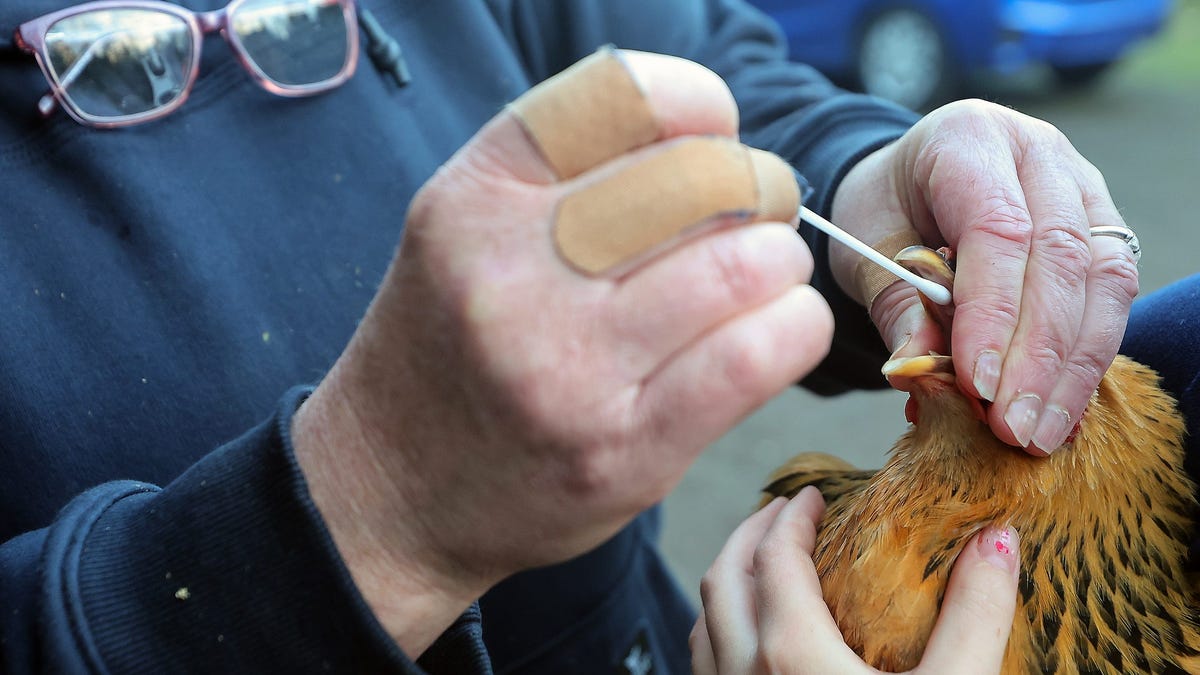
A dead bird, limp on the edge of a sidewalk in Guangdong, goes unnoticed by most passersby. But to a virologist, it’s a message from the future—an omen. Somewhere, in the invisible corridors between poultry farms and wet markets, a new enemy is rehearsing its debut. And yet, the world scrolls on, distracted, distracted, distracted.
The name H5N1 doesn’t spark the visceral panic that “COVID-19” once did. It is clinical, almost boring. But boredom is the cloak that pandemics wear before they go viral—literally and metaphorically. This one, health experts say, is brewing in silence, mutating slowly, methodically, learning us. The virus has infected birds, spilled into mammals, and now eyes the ultimate prize: sustained human-to-human transmission. And while the virus evolves, leaders hesitate, underplay, deflect. We are watching the next act unfold from the front row—yet pretending the stage is still empty.
The Theater of Readiness, Without the Rehearsal
The chilling part isn’t that scientists are warning us. It’s that they warned us last time too. And we nodded, and marched on. Politicians, burnt from the political fallout of lockdowns and mandates, now dance delicately around words like “preparedness.” And the public? They’ve been seduced into fatigue. Pandemic fatigue, news fatigue, fear fatigue.
“Preparedness is a political choice,” said one global health advisor recently, her voice edged with exhaustion. “And we are still choosing not to prepare.” She didn’t mean budget meetings and white papers. She meant the tangible: stockpiling antivirals, creating genomic surveillance hubs, war-gaming responses. Instead, we light candles for the past pandemic and cross our fingers for the next.
A World Addicted to Denial
There is a strange thrill in denial. It’s a coping mechanism, sure—but also an aesthetic. The belief that lightning doesn’t strike twice. That the masks can stay tucked away. That science, somehow, will always stay one breath ahead. But viruses are not bound by optimism. They do not care for politics or sentiment or quarterly earnings. H5N1 doesn’t need our fear—it needs our negligence.
We’ve taught a generation to move on quickly. But what happens when moving on becomes a liability? When the same infrastructure that failed us once is quietly disassembling, brick by brick? Ask yourself: what’s being done differently this time? Not what’s being said—what’s being done?
A whisper from a wet market, a mutation away from a nightmare, and the world still hums along as if pandemics are seasonal fiction. But fiction always carries a grain of prophecy.
The Final Feather
There’s something poetic—maybe even cruel—about the idea that the next great global shift could start with a bird. The same symbol of freedom now a potential vector of lockdown. It forces us to reconsider what liberty really means in a hyperconnected, hypervulnerable planet.
So we look to the sky, hoping not to see the wrong kind of migration. We avoid the headlines that speak in numbers and rates and viral loads. But deep down, the question festers: what if the next pandemic doesn’t arrive with shock, but with inevitability?
What if the bird has already flown?





The Man Who Bled for Millions
He saved over 2.5 million babies, but no one ever recognized him...
Kirsten Collins2 Mins read
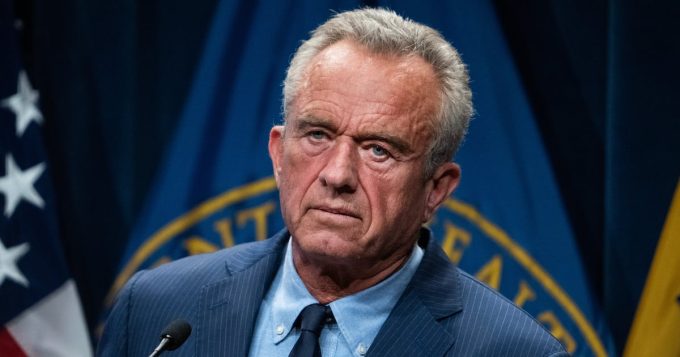
The Fetishization of Fear: RFK Jr. and the Vaccine Fetuses Lie
It begins, as these things always do, with a whisper dressed as...
Kirsten Collins2 Mins read
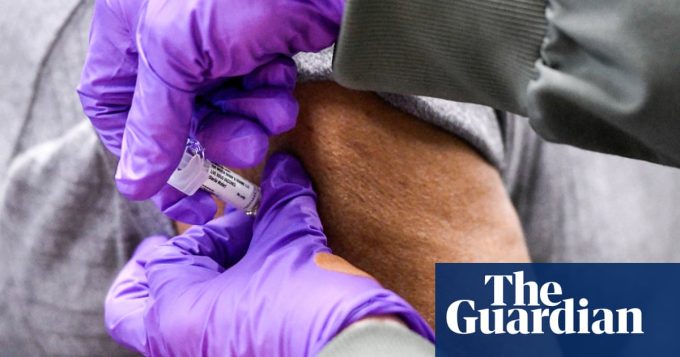
The Lie That Keeps Mutating
The seduction of scandal is ancient, but its latest host is disturbingly...
Kirsten Collins2 Mins read
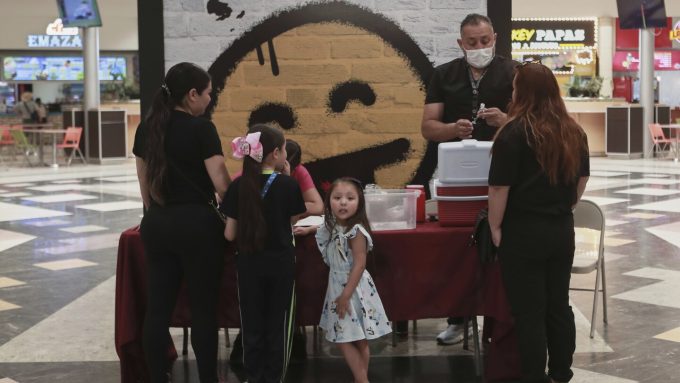
The Red Spots We Chose to Ignore
The first red spot appeared behind the ear—a detail easily missed, easily...
Kirsten Collins2 Mins read





Leave a comment