

F1’s Final Lap: Triumph, Controversy, or Cinematic Masterstroke?
The electrifying finale of F1’s latest season has left fans breathless and divided—was it a flawless climax or a calculated spectacle? Beneath the roar of engines lies a story begging for deeper scrutiny.
 Kirsten CollinsJune 29, 20251 Mins read23
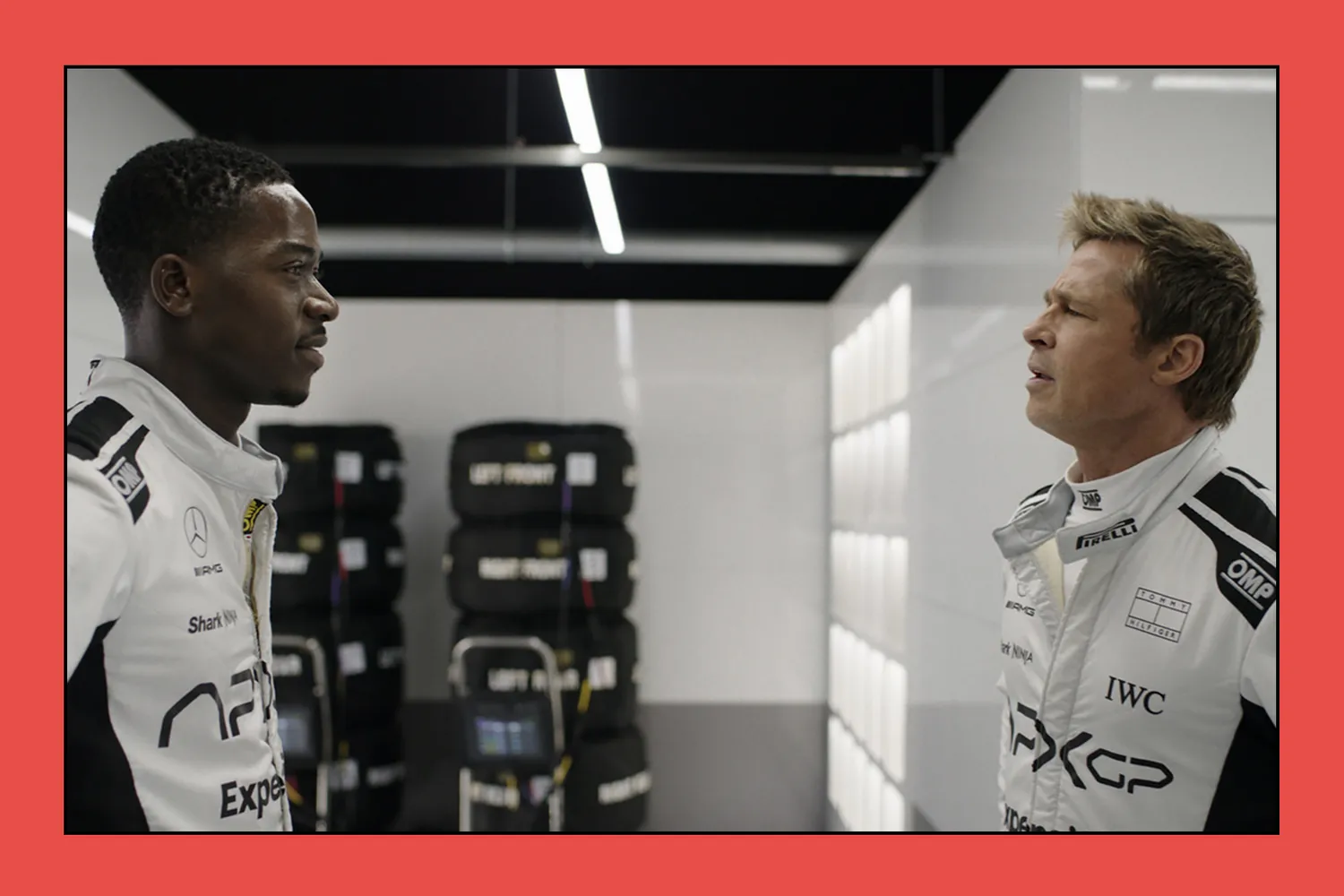
There was a moment—an instant carved out of noise and speed—when the checkered flag didn’t just signal victory but ignited a storm of questions. The final lap of the F1 season wasn’t simply a race’s end; it was a collision of triumph and controversy, passion and puzzlement.
Why did what should have been pure speed feel so orchestrated? How does a sport built on milliseconds suddenly become a narrative tangled in doubt?
Speed and Spectacle: When Drama Drives the Race
Formula 1 has always been about razor-thin margins and split-second decisions, yet this finale felt different—less a contest of pure skill and more a theater of strategy shaped by unseen hands. “The rules are there, but sometimes it feels like they bend to the story they want to tell,” one insider remarked. The tension between competition and showmanship now poses a fundamental question: is F1 racing, or is it storytelling masquerading as sport?
This is not merely a matter of who crossed the line first. It’s about the trust between sport and spectator. When a race’s outcome feels disputed, what does that say about the integrity beneath the gloss?
Victory’s Double Edge: Celebration or Suspicion?
To cheer a winner is instinctual, yet in the wake of this finale, that cheer sounds uncertain, almost hesitant. The glow of victory casts long shadows—whispers of unfair advantage, decisions made in boardrooms rather than on tarmac. Fans are left asking: who really wins when controversy clouds the checkered flag?
The most striking voice came not from drivers but from fans themselves, those who know every turn and every rule. Their question echoes: “Is this the future of F1, where drama outpaces the drive?”
As engines cool and debates flare, the final lap lingers like a question unanswered. Did we witness a sport’s pinnacle or a spectacle crafted for spectacle’s sake? Somewhere between speed and story, truth races elusive—waiting for its moment to cross the finish line.





How Much Money the Fighter Makes – Hollywood Life
Image Credit: Zuffa LLC via Getty Images Ronda Rousey is making her...
Kirsten Collins2 Mins read

What Happened, Was it Hacked & More – Hollywood Life
Image Credit: Moment Editorial/Getty Images Stryker, a Michigan-based medical device production company,...
Kirsten Collins1 Mins read
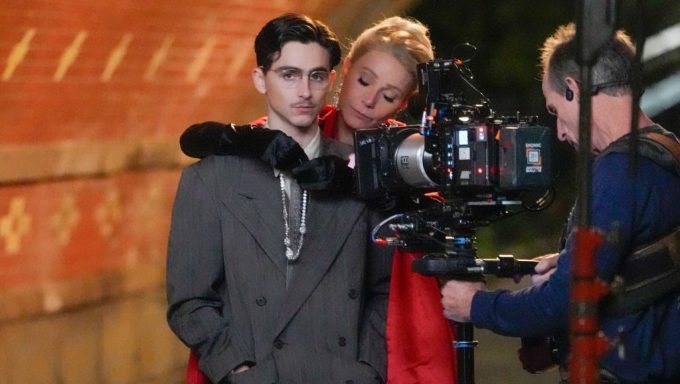
How to Watch & More About the Timothée Chalamet Movie – Hollywood Life
Image Credit: GC Images Gwyneth Paltrow and Timothée Chalamet star in the sports...
Kirsten Collins2 Mins read

Meet the Actors Behind the Netflix Series – Hollywood Life
Image Credit: Courtesy of Netflix The Straw Hat Pirates are setting sail...
Kirsten Collins2 Mins read


Leave a comment