

The Forbidden Game: Why L.J. Smith’s Trilogy Continues to Haunt Us
L.J. Smith's The Forbidden Game trilogy was never just about a card game—it was a game of life and death, where the stakes were impossibly high. But why does this story still resonate, years after it was first read?
 Joseph BennettMay 8, 20252 Mins read25
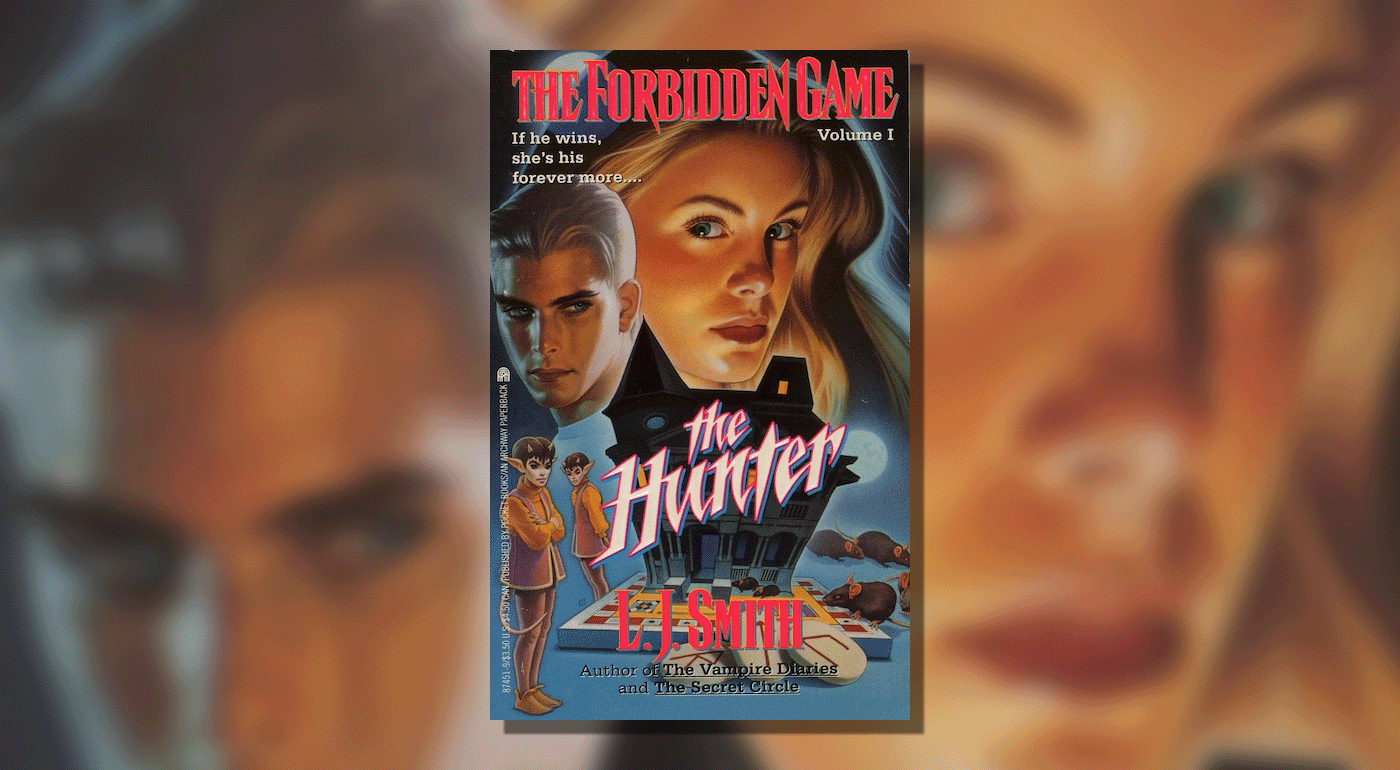
When the cards are dealt in The Forbidden Game, nothing is ever what it seems. The game, a simple contest of chance, turns into a battle for survival where the boundaries between reality and nightmare blur. And yet, as readers, we return to the pages over and over, seduced not by the game’s outcome, but by the tension it leaves lingering in the air. What is it about this dark tale that continues to resonate with fans, even years after its release? It isn’t just the supernatural intrigue or the forbidden love—it’s the haunting sense that the stakes are never truly finished.
What begins as a harmless game—one that could be dismissed as a metaphor for the risks of desire and temptation—quickly spirals into a surreal, often dangerous journey. Smith’s world doesn’t just create danger; it relentlessly forces you to face the consequences of each choice. Yet, in all its chaos, The Forbidden Game presents something deeper—something more elusive than simple thrills. We are drawn to its darkness because it mimics the unpredictable, often perilous nature of life itself. The fear, the desire, and the sense of being trapped are all too real.
An Unsettling Connection
But why does this specific trilogy linger in our collective consciousness? One might argue that it’s because the stakes are impossibly high—and we never quite leave the world Smith has crafted. It’s not about escaping into fantasy; it’s about confronting our own most dangerous impulses. In a world where the consequences of our actions are often ambiguous, The Forbidden Game offers a haunting sense of clarity. The game is simple, but the cost is always fatal—love, fear, betrayal—they all converge on the very edges of what we think we know about ourselves.
Smith doesn’t let us off the hook. The characters must confront their darkest fears—and so must we, as readers. “The game was only the beginning,” Smith writes, as if we were never meant to escape the trap, but to be changed by it forever.
A Game We Never Stop Playing
Even after the final card is drawn, we are left with a question that remains unanswered: What would we sacrifice to win the game? To play the game of life, love, and loss? The Forbidden Game doesn’t leave us with a conclusion. Instead, it leaves us with a feeling. A lingering question about our own limits—and the cost of reaching beyond them. Maybe that’s why we keep returning. It’s the unfinished nature of it, the endless loop of choices and consequences, that keeps us trapped.
What are we really playing for?





When “107 Days” Meets Outcry: Harris’s Book Tour Interrupted
The microphone crackled to life, and before Harris could finish her opening...
 Chris Marks1 Mins read
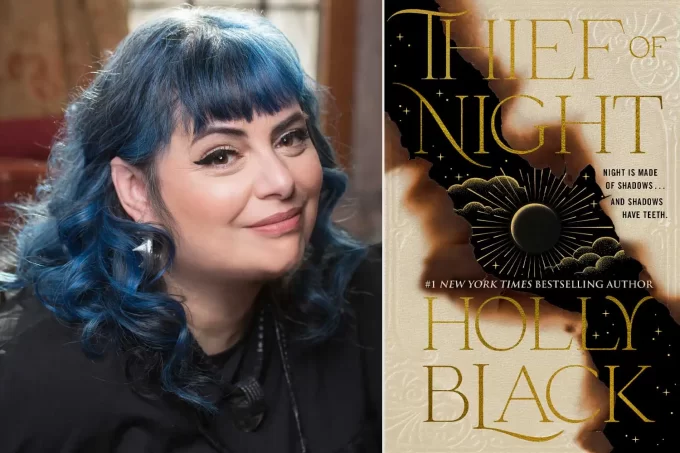
Whispers in the Shadows: Why Holly Black’s Sequel Is a Dark Invitation We Can’t Ignore
The night isn’t just dark—it’s ravenous, greedy, and it’s coming for you....
Chris Marks2 Mins read
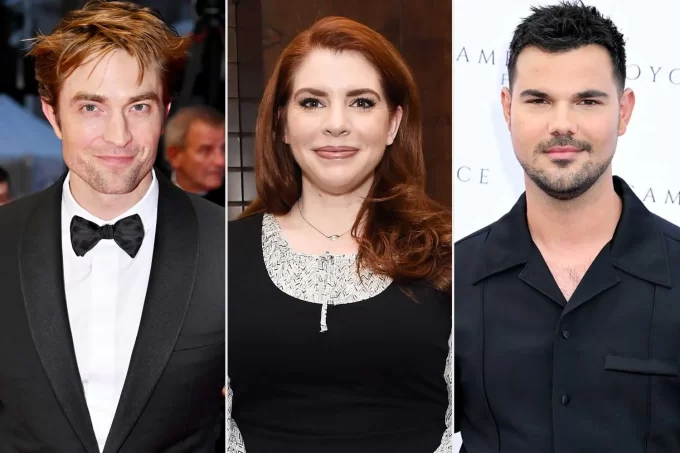
Why Stephenie Meyer’s Regret About Edward Changes Everything You Thought You Knew
The moment Stephenie Meyer admitted she wouldn’t pick Edward Cullen today, a...
Chris Marks2 Mins read
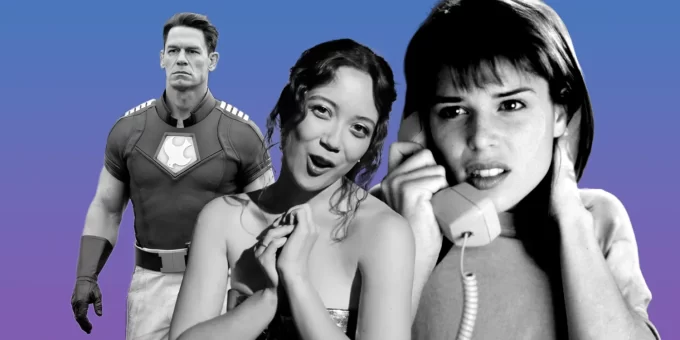
When Fear, Fury & Feathers Collide: Cinema, Superheroes, and a Confessional Album
Open with tension—the kind that threads through a scream, a reveal, and...
Chris Marks2 Mins read




Leave a comment