

Hormonal Acne Isn’t Just a Phase—It’s a Message
From cystic eruptions to relentless jawline breakouts, hormonal acne is often dismissed as a “teen thing.” But what if your skin is trying to tell you something deeper?
 Kirsten CollinsMarch 3, 20251 Mins read102
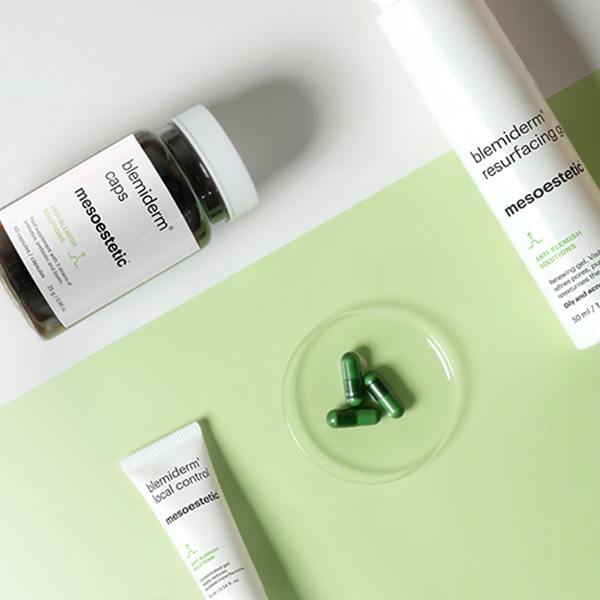
It arrives like a betrayal—deep, painful, and timed with unnerving precision. A cystic bump that feels more volcanic than cosmetic. And despite what the clean-faced marketing tells you, hormonal acne isn’t just about skincare. It’s about systems.
For many, it’s not a matter of cleansing harder or masking more. It’s waking up at 32, 37, 42 with breakouts that mimic adolescence but carry the weight of a more complicated reality. These flare-ups don’t just erupt. They warn. Of stress. Of inflammation. Of imbalances most cleansers can’t touch.
The Root Is Deeper Than the Pore
Hormonal acne doesn’t behave. It clusters along the jawline. It lingers. It scars. And it often laughs in the face of traditional acne products—those built for oily teens, not adult women juggling cortisol, cycle shifts, and blood sugar spikes.
Effective treatment, then, isn’t one-size-fits-all. It’s strategic. Internal. Often medical. Dermatologists point to a three-pronged approach: regulate hormones (think: spironolactone, DIM, or birth control), reduce inflammation (zinc, omega-3s), and support the skin barrier (gentle, non-comedogenic hydration).
But just as crucial? Learning what your skin is asking for. Because hormonal acne is often the body’s way of waving a flag, asking us to pause. To look inward. To listen.
When Skincare Becomes Self-Awareness
There’s a quiet power in learning your own patterns. Noticing the link between late nights and flare-ups. Between a sugar binge and a sudden breakout. Between stress and that telltale swelling on your chin.
Skincare routines help—but they don’t solve. Healing hormonal acne is slow, nonlinear, and deeply personal. It’s not about attacking your face into submission. It’s about supporting your body into balance.
So yes, you can banish acne. But maybe not with the urgency of war. Maybe with the gentleness of understanding. Because sometimes, the clearest skin comes not from products—but from paying attention.








The Velvet Rope Has Frayed: Saks Fifth Avenue Just Walked into Amazon’s Living Room
They didn’t hear the door creak open—but it did. In a move...
Kirsten Collins2 Mins read

The Face That Didn’t Fit: Meghan, Beauty, and the Industry’s Silent Criteria
They never said it outright. They didn’t need to. Silence, when paired...
Kirsten Collins2 Mins read
15 Moon Tattoo Ideas for a Celestial Piece That’ll Fit Each Phase of Your Life
When it comes to getting permanent art tattooed on your body, there...
Kirsten Collins3 Mins read
The Dip That Won’t Chip: Is Your Manicure Hiding Something?
No one talks about what happens to softness when you dip your...
Kirsten Collins1 Mins read




Leave a comment