

When the Blockbuster Breaks: Michael Bay, Will Smith, and the High-Stakes Divorce at Netflix
Michael Bay has left Will Smith’s Netflix film Fast and Loose, citing “creative differences”—but the real drama may lie in what no one’s saying. What happens when ego meets algorithm?
 Joseph BennettAugust 7, 20252 Mins read13
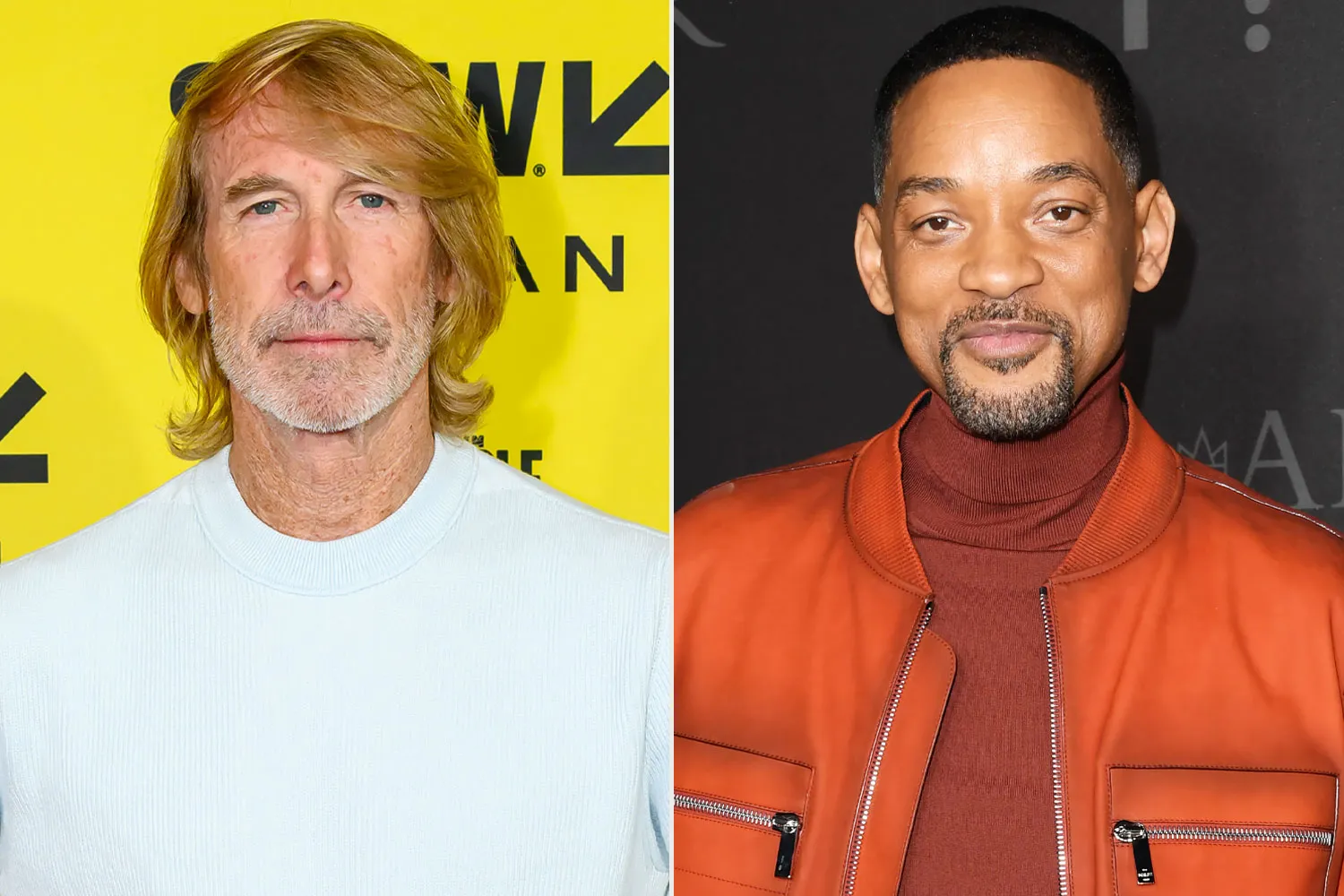
The movie hadn’t even rolled a single camera—and already the explosion had happened. But this time, Michael Bay wasn’t behind it.
There’s something almost cinematic about a director known for orchestrating large-scale chaos stepping away from a project not because it was too much, but because it wasn’t enough. Bay’s exit from the Will Smith-led Fast and Loose, a Netflix action-thriller in pre-production, has been attributed to those ever-elusive “creative differences.” The industry’s euphemism for divorce. But let’s not pretend this is just about creative control. This is about the tectonic collision of Old Hollywood bombast and New Hollywood algorithm.
Bay doesn’t do subtle. He’s the auteur of adrenaline—America’s pyrotechnic poet laureate. Will Smith, meanwhile, is still navigating his way out of post-Oscars purgatory. The two joining forces on a streaming platform already known for its formulaic filmmaking felt like a strange cocktail: shaken, yes—but stirred by what? Netflix wanted edge, redemption, and spectacle. Bay wanted control. Smith needed a win. And nobody wanted to blink first.
The Algorithm Doesn’t Negotiate
Streaming isn’t just changing the medium; it’s mutating the message. Netflix has long been accused of treating its creators like suppliers to a vast content machine—valuable, yes, but replaceable. The studio that greenlit Bird Box and Red Notice doesn’t chase vision—it chases engagement metrics.
Which makes you wonder: what exactly were the “creative differences” that sent Bay packing? Perhaps the algorithm wanted tighter run times, cleaner plot arcs, more market-tested twists. Perhaps Bay’s trademark maximalism—his indulgence in slow-mo, fireballs, and vaguely fascist aesthetics—wasn’t testing well with global demos.
A Hollywood insider reportedly said the split came down to “vision.” But isn’t that always the first thing to go when you’re making art by committee? Or worse—by code?
The Culture Clash You Weren’t Watching
In an era where spectacle has become suspicious and sincerity passé, Fast and Loose might’ve stood no chance from the beginning. This was more than a film in development; it was a philosophical disagreement masquerading as production delay. Bay represents a dying breed: the loud, unapologetic male auteur. Netflix represents the new gatekeeper: silent, omnipresent, and eerily polite.
And Will Smith? He’s the cultural ghost caught between two mirrors. Once the most bankable star in the world, now haunted by a slap, a reckoning, and a studio system that no longer makes room for complicated comebacks.
“Everyone thinks they’re making a movie,” said one producer close to the deal. “But half the time, they’re just feeding content into a pipeline and hoping no one notices.” The line wasn’t meant to be profound, but it lingers.
Because someone did notice.
So now we’re left with a movie that never happened—and the aftershocks of a rupture that might say more about where Hollywood is headed than any film this trio might’ve made. Bay walked. Smith stayed. Netflix shrugged.
But what if this wasn’t just about one project? What if we’re watching, in slow motion, the death of the director-as-dictator? What if the auteur can’t survive the streaming age? Or worse—what if the streaming age is slowly, stylishly, vaporizing them?
Bay didn’t press detonate this time. He simply walked away. And somehow, that was the loudest explosion yet.






Start the New Year by Investing in Yourself – Hollywood Life
Image Credit: European Wax Center The new year is all about fresh...
 Kirsten Collins2 Mins read

Where Is Liam Conejo Ramos Now? Updates on 5-Year-Old’s ICE Detainment – Hollywood Life
Image Credit: Getty Images Liam Conejo Ramos came home from preschool while...
Kirsten Collins2 Mins read
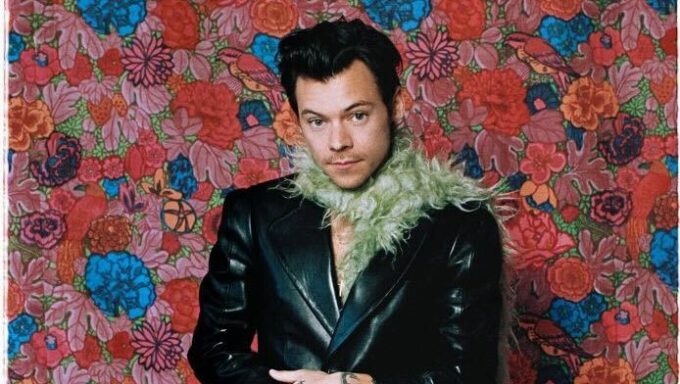
Who Is Harry Styles’ ‘Aperture’ About? Breakdown of the Lyrics – Hollywood Life
View gallery Image Credit: Getty Images We’ve doing doing all this late...
Kirsten Collins1 Mins read
When Are the Oscars 2026? Date of the Academy Awards – Hollywood Life
Image Credit: AFP via Getty Images The Oscars are officially on the...
Kirsten Collins1 Mins read




Leave a comment