

When Tatum Went Down: The Celtics’ Offseason Reckoning
Jayson Tatum’s injury didn’t just shake Boston’s lineup—it cracked open the Celtics’ offseason, forcing Brad Stevens to confront decisions that were inevitable but never easier. What does this moment reveal about the fragility of championship dreams?
 Chris MarksJuly 9, 20251 Mins read24
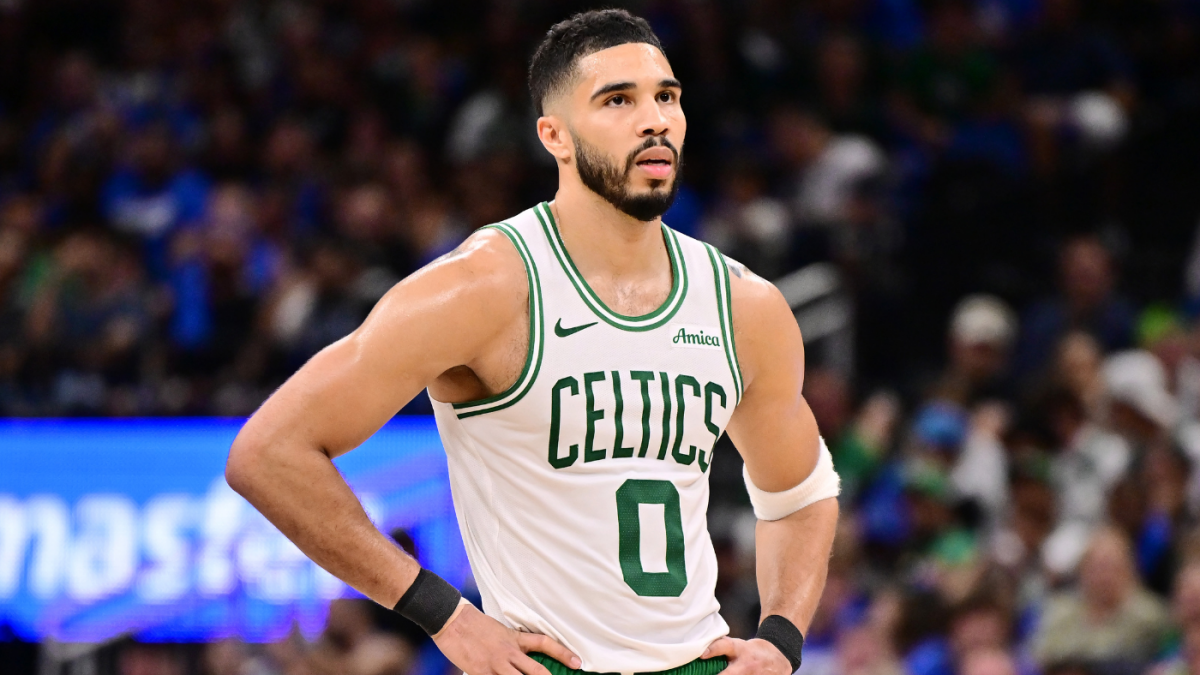
A single moment—the sharp crack of a bone, the sudden halt of a game—can unravel a season’s blueprint. When Jayson Tatum went down, the Celtics weren’t just losing their star; they were staring down a crossroads that Brad Stevens admits was already looming. But how much did the injury truly alter their path? And what secrets lie beneath the decisions now shaping Boston’s future?
This isn’t just about a player healing; it’s about a franchise forced to redefine itself in the shadow of uncertainty. Stevens, a man known for measured strategy, revealed that “hard decisions were coming anyway,” but the question remains: did the injury hasten a reckoning or merely illuminate a fault line that was already there?
Fractures Beyond the Court
The Celtics’ offseason is no longer a simple calendar of trades and drafts. It has morphed into a puzzle of risk and opportunity—where loyalty clashes with pragmatism, and hope battles cold hard analytics. Tatum’s absence exposes vulnerabilities in a roster that once seemed built to endure.
The whispers around Boston speak of potential shake-ups, but what if the real shift is less about who stays or goes, and more about a philosophical pivot? Can a team anchored by one player survive the storm, or is this a moment to rethink the very identity of Celtics basketball?
A Quiet Storm Brewing
Brad Stevens’ calm demeanor belies a tension few get to see. “We had to look at everything differently,” he confided in a rare moment of candor, hinting that the injury was less a setback and more a catalyst. The question isn’t just how Tatum recovers, but how the team reinvents itself in a league where every advantage is fleeting.
Boston’s path forward is shrouded in questions—how much patience will fans have? How far will management push the gamble? And, crucially, will Tatum’s return signal a revival or a reminder of what once was?
The injury was a fracture, yes. But maybe it also cracked open a deeper truth about the fragility of hope and the relentless march of change.




Barcelona’s Fragile Pursuit: When Injuries Threaten More Than Just a Season
A silence spreads over Camp Nou that no roar can drown out—two...
Chris Marks2 Mins read
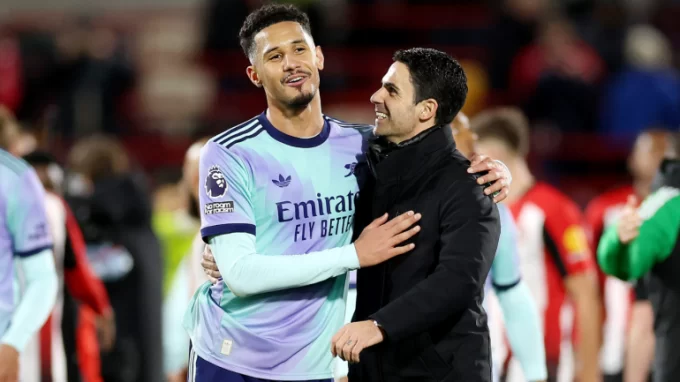
William Saliba: Arsenal’s Silent Architect or Its Greatest Gamble?
The air inside the Emirates shifts with unspoken tension—William Saliba, once a...
 Joseph Bennett2 Mins read
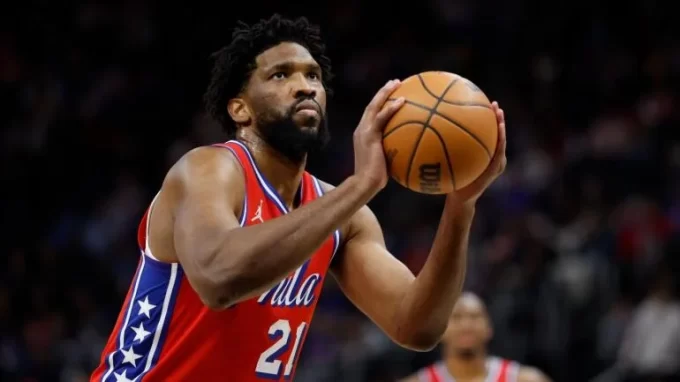
Joel Embiid’s Quiet Confidence: Is the 76ers’ Giant Ready to Rewrite His Story?
Joel Embiid is rarely one to make noise without purpose, and now,...
 Kirsten Collins1 Mins read
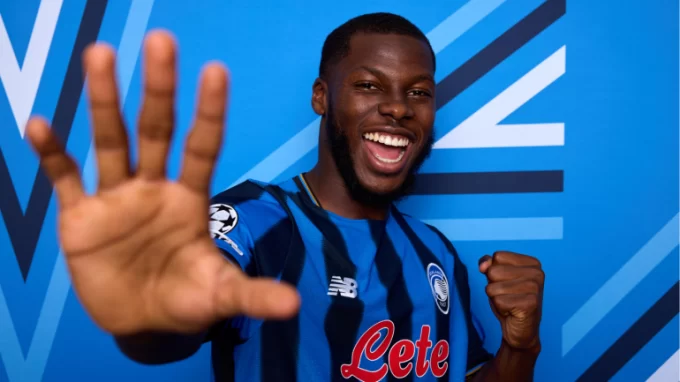
Juventus, Atalanta, and Arsenal’s Quiet Revolution: What’s Really Shaping This Week in Football?
The roar of Serie A stadiums masks a subtle shift, one that...
Kirsten Collins2 Mins read





Leave a comment