

Betting on Shadows: What the Lions vs. Chargers Game Really Reveals
It’s billed as a game and sold as nostalgia, but the NFL Hall of Fame matchup between the Lions and Chargers is something stranger—where betting slips replace belief, and America’s faith in football quietly flickers.
 Kirsten CollinsJuly 31, 20252 Mins read23
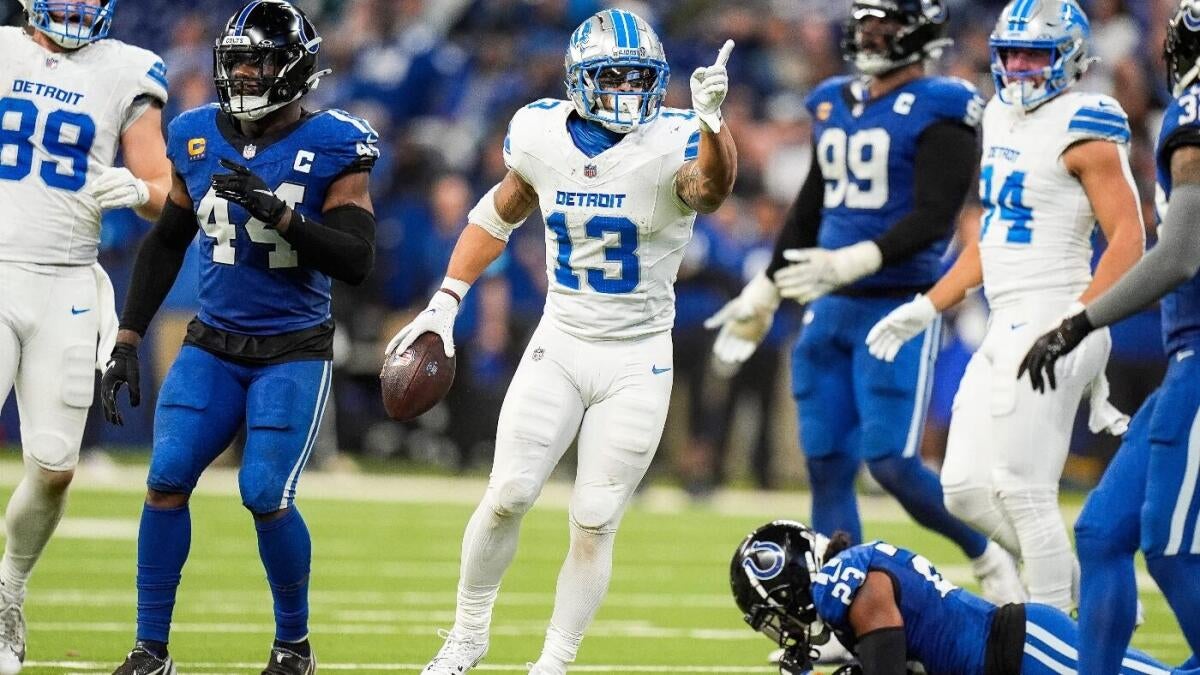
A stadium floodlit like a cathedral, a preseason game weighed down with ceremonial nostalgia—and yet, what most eyes are locked on isn’t the field. It’s the screen. The spread. The odds. A nation no longer just watches its sacred sport; it bets against its memory of it. The Lions and Chargers are slated to meet in what used to be a ritual of honor. Now? It’s a speculative market masquerading as a football game.
This is no longer about the plays. It’s about the parlays. Futures, first quarters, field goal props—every throw tethered to a whisper of cash, every tackle a potential payout. It’s hard not to ask: has the game become just another digital stock? “You don’t root for teams anymore,” one fan mumbled in line at a Vegas sportsbook, “you root for your ticket.” The truth slipped out casually, like a cough in church.
The Real Game Is on Your Phone
The Hall of Fame Game used to belong to legends. Now it belongs to algorithms. Betting guides flood TikTok like confetti. Discord servers hum with insider angles. By kickoff, most fans know more about second-string injury reports than they do about the Hall of Fame inductees. Nostalgia has been remixed as a monetizable interface—part memory, part moneyline.
Oddly, this has created a new kind of intimacy with the sport—one that’s selfish, twitchy, transactional. You’re not cheering for a touchdown. You’re cheering for a 34.5-point over/under. The line between fan and speculator has collapsed, and no one seems especially interested in rebuilding it. This is not football for the soul. It’s football for the spreadsheet.
Touchdowns, Triggers, and the Theater of Odds
What’s left of ritual when risk becomes the only religion? The Hall of Fame Game’s pageantry—its retired greats, its gold jackets, its illusion of legacy—has never felt more ornamental. They walk the field like ghosts while the crowd scrolls through bets. Even the players know the stakes aren’t real. They’re auditions in helmets, scripted chaos in service of a season that hasn’t started but has already been bet on.
This is not a complaint. It’s an observation soaked in ambivalence. Because the spectacle still works. The ball still arcs through the air like a promise. The roar still sounds like belonging. And yet, in that quiet split second before the snap, there’s a new noise—the flick of a thumb, checking the line.
Maybe the point isn’t to win anymore. Maybe the point is to believe you could.



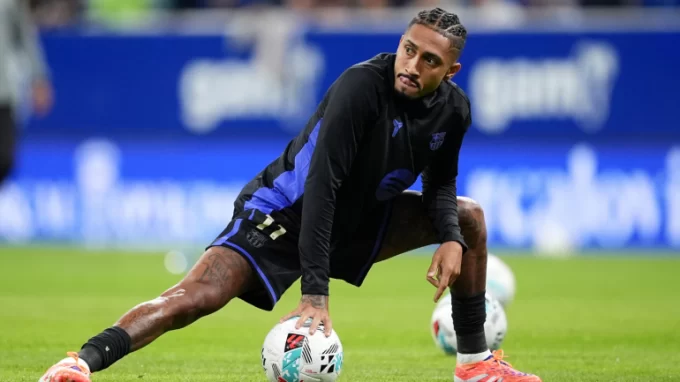
Barcelona’s Fragile Pursuit: When Injuries Threaten More Than Just a Season
A silence spreads over Camp Nou that no roar can drown out—two...
 Chris Marks2 Mins read
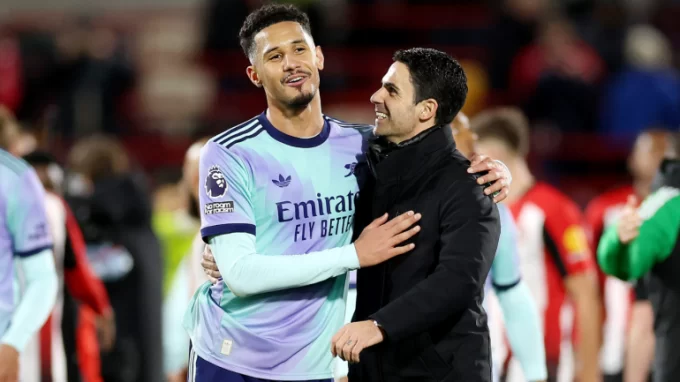
William Saliba: Arsenal’s Silent Architect or Its Greatest Gamble?
The air inside the Emirates shifts with unspoken tension—William Saliba, once a...
 Joseph Bennett2 Mins read
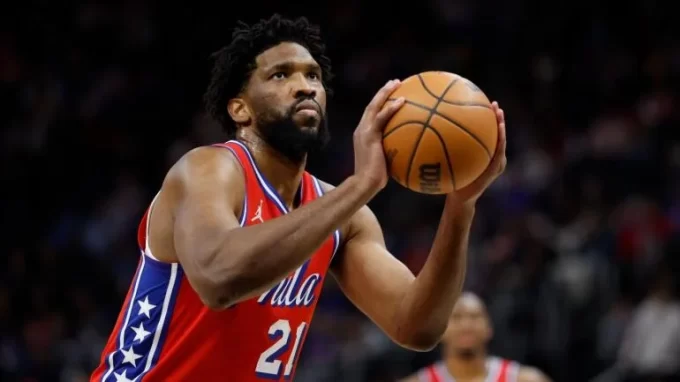
Joel Embiid’s Quiet Confidence: Is the 76ers’ Giant Ready to Rewrite His Story?
Joel Embiid is rarely one to make noise without purpose, and now,...
Kirsten Collins1 Mins read
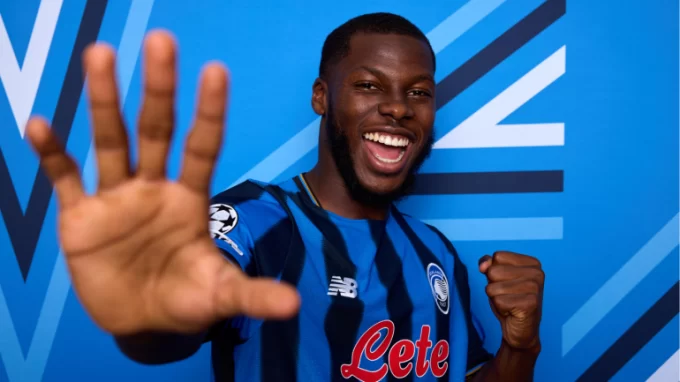
Juventus, Atalanta, and Arsenal’s Quiet Revolution: What’s Really Shaping This Week in Football?
The roar of Serie A stadiums masks a subtle shift, one that...
Kirsten Collins2 Mins read





Leave a comment