

How Do You Stop a Shape-Shifter? Travis Kelce on the NFL’s Newest Puzzle
Travis Kelce reveals the chess match unfolding as NFL defenses strategize to slow down Travis Hunter—a cornerback turned wideout whose elusive style might just rewrite the rules. But can any defense truly contain him?
 Kirsten CollinsJuly 7, 20251 Mins read23
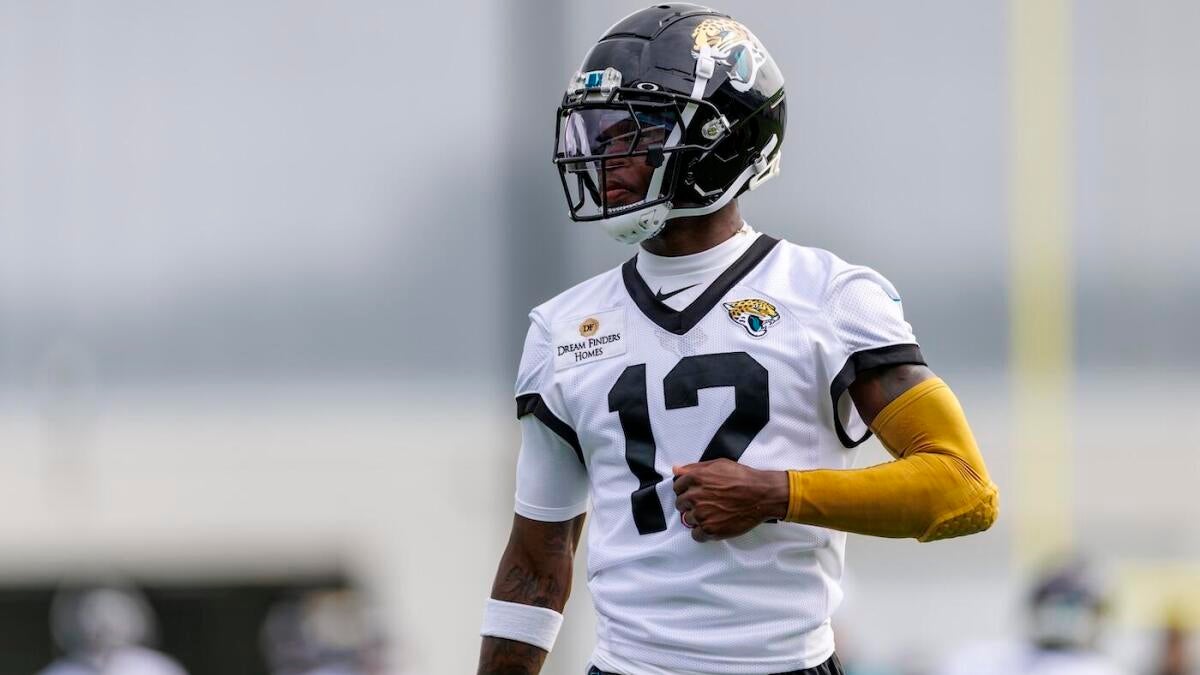
The field is no longer a battlefield of brute force; it’s a stage for a new kind of artistry, where one player’s transformation threatens to upend the script entirely. Travis Hunter, once cloaked in the armor of a cornerback, now dances on the edge of offense—slippery, unpredictable, a living question mark. Travis Kelce, ever the tactician, watches this shift with wary admiration: “Teams aren’t just defending a position anymore; they’re defending a riddle.”
This is not just a game of speed or power. It is a contest of shadows, where every tactic to slow Hunter might just accelerate his legend.
The Art of the Impossible Intercept
Hunter’s journey from defense to offense blurs lines that NFL playbooks still struggle to define. How do you guard a player who knows the tricks of both worlds? Kelce hints at the unfolding chaos: “They’ll double him, blitz around him, throw everything but the kitchen sink. But the moment you overcommit, that’s when he strikes.” The question lingers—does the NFL’s best defense risk collapsing under the weight of its own obsession?
When Defense Becomes a Liability
Kelce’s insight cuts deeper than tactics. It’s about the psychology of the game—how fear of a player’s potential can fracture a team’s resolve. If every move against Hunter breeds hesitation, how long before the defensive line becomes a house of cards? “It’s like chasing smoke,” Kelce confides, “the more you try to grab him, the more he slips away.” The paradox of containment becomes the NFL’s latest conundrum.
We stand at a crossroads where conventional wisdom meets its match in a player rewriting the rules mid-play. Travis Hunter’s evolution asks: can tradition hold back innovation, or is the NFL on the cusp of a new era where players are no longer confined by their labels?
As defenses tighten, will the game change—or will Hunter simply vanish into another highlight reel, leaving us all wondering what we just witnessed?






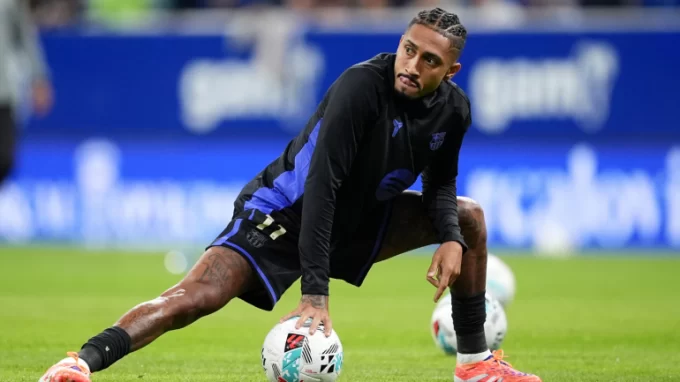
Barcelona’s Fragile Pursuit: When Injuries Threaten More Than Just a Season
A silence spreads over Camp Nou that no roar can drown out—two...
 Chris Marks2 Mins read
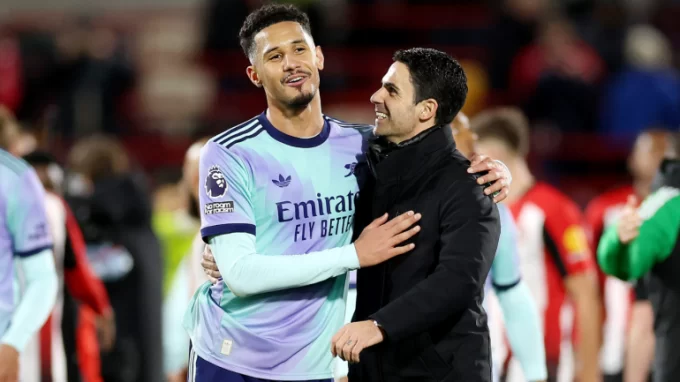
William Saliba: Arsenal’s Silent Architect or Its Greatest Gamble?
The air inside the Emirates shifts with unspoken tension—William Saliba, once a...
 Joseph Bennett2 Mins read
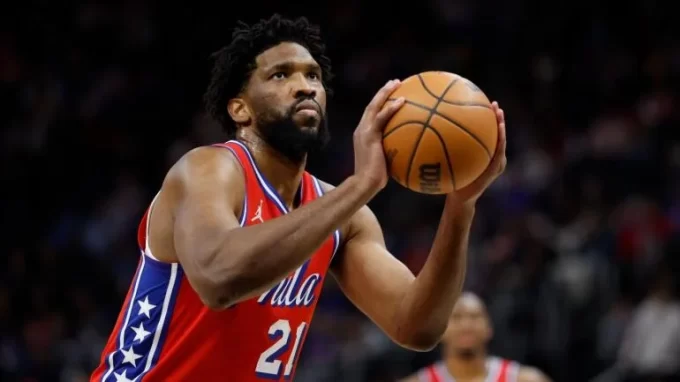
Joel Embiid’s Quiet Confidence: Is the 76ers’ Giant Ready to Rewrite His Story?
Joel Embiid is rarely one to make noise without purpose, and now,...
Kirsten Collins1 Mins read
Juventus, Atalanta, and Arsenal’s Quiet Revolution: What’s Really Shaping This Week in Football?
The roar of Serie A stadiums masks a subtle shift, one that...
Kirsten Collins2 Mins read





Leave a comment