

Dundon’s Riptide: What Lies Beneath the Blazers’ $4 Billion Deal?
When NHL magnate Tom Dundon steps toward ownership of the Trail Blazers for over $4 billion, keeping the franchise in Portland—but in what shape and for whose legacy?—the ripple effects demand our attention.
 Kirsten CollinsAugust 13, 20251 Mins read13
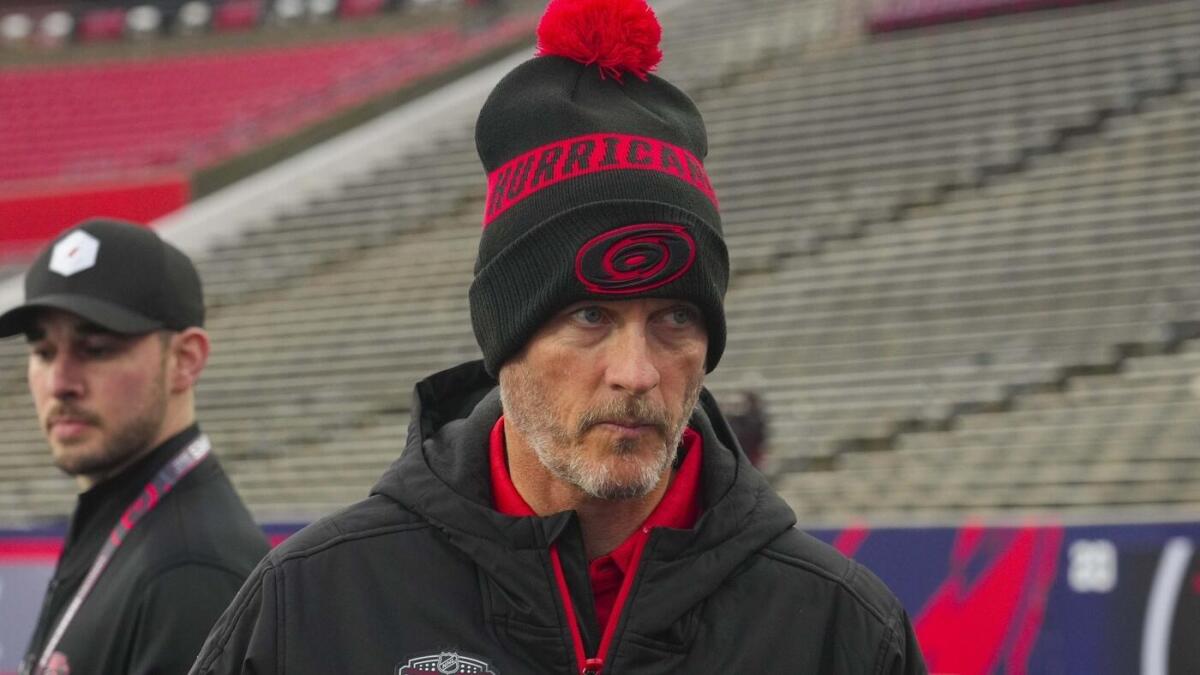
The moment the Blazers’ sale surfaces, the court feels smaller—not just the hardwood, but the geography of expectation. Tom Dundon, a financier whose fingertips already touch the Carolina Hurricanes and professional pickleball, now leans toward owning Portland’s beloved Trail Blazers. His group waved a $4 billion check that echoes louder than most dunks, yet insists: the team stays where it belongs.
But preservation comes with condition. A public‑private arena overhaul looms larger than any midseason trade. This isn’t just ownership—it’s staging a revival underwritten by legacy, loyalty, and ambition.
A Billion-Dollar Musketeer of Markets
Dundon isn’t your typical sports baron. He made his name in finance, rebuilt the Hurricanes into a postseason staple, and bet on the offbeat rise of pickleball. Now, he’s leading a consortium—including local insider Sheel Tyle and Blue Owl’s Marc Zahr—into Portland’s smoky skyline. With a valuation surpassing $4 billion—well above the $3.6 billion estimated earlier—this isn’t a deal, it’s a proclamation that the team’s worth is not just in wins but in narrative. And yet, the NBA’s Board of Governors must still sign off, putting the promise of permanence on hold.
Can Basketball Be a Civic Promise?
Legacy matters in Portland. Fans have long feared relocation more than losing seasons. Dundon pledges to keep the team anchored, and locals—politicians and business leaders alike—have already begun pushing for arena renovation and investment. But what if forever isn’t insured? A revamped Moda Center, renovated by 2030, favors a vision where civic identity and profit align—but also threatens to remake the arena’s soul.
Dundon understands this delicate tension. His tenure with the Hurricanes suggests he values competitive legitimacy as much as community roots. Will Portland become a rising contender or a polished relic? The answer lies in how he balances checks, cheers, and cultural currents.
The ball is in the NBA’s court now, and in Portland’s. This isn’t just a sale—it’s a turning page in a city’s story. And the only certainty is that we’re watching more than basketball. We’re watching the architecture of belonging.







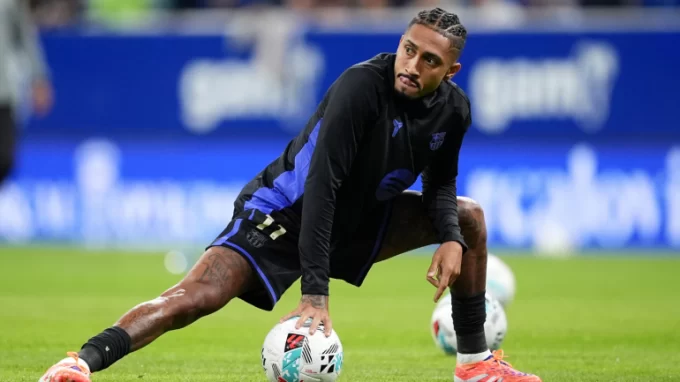
Barcelona’s Fragile Pursuit: When Injuries Threaten More Than Just a Season
A silence spreads over Camp Nou that no roar can drown out—two...
 Chris Marks2 Mins read
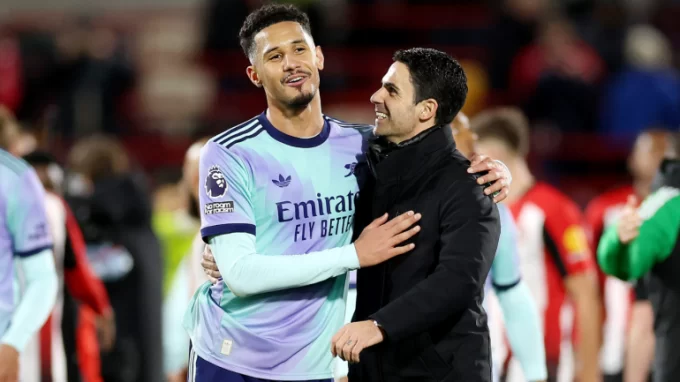
William Saliba: Arsenal’s Silent Architect or Its Greatest Gamble?
The air inside the Emirates shifts with unspoken tension—William Saliba, once a...
 Joseph Bennett2 Mins read
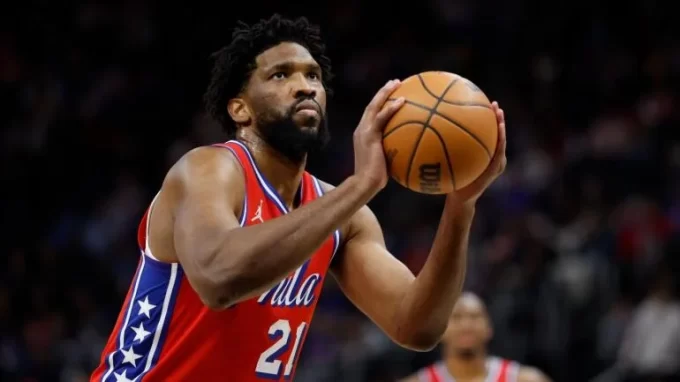
Joel Embiid’s Quiet Confidence: Is the 76ers’ Giant Ready to Rewrite His Story?
Joel Embiid is rarely one to make noise without purpose, and now,...
Kirsten Collins1 Mins read
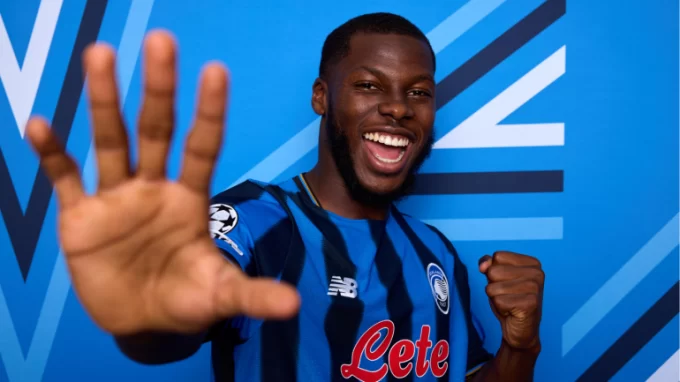
Juventus, Atalanta, and Arsenal’s Quiet Revolution: What’s Really Shaping This Week in Football?
The roar of Serie A stadiums masks a subtle shift, one that...
Kirsten Collins2 Mins read




Leave a comment