

I Fear for My Kids: When Protecting the Future Becomes a Reckoning
A haunting confession reveals the silent terror of parenting today—how do we shield our children from a world that seems increasingly unkind, chaotic, and uncertain? The question lingers, unsettling and urgent.
 Krista FreelandJuly 3, 20251 Mins read16
There’s a quiet panic behind many parents’ eyes—an unspoken dread that gnaws at every decision, every step forward. “I fear for my kids,” isn’t just a statement; it’s a confession that crackles with the weight of reality no one wants to face openly. What does it mean to raise children in a world where danger lurks not just outside the door but within the very fabric of society?
This fear is not new, yet it feels sharper now—more pervasive, more immediate. It forces us to question everything we once took for granted.
––– The Paradox of Protection –––
We want to protect our children, but protection has become a paradox. Shielding them too tightly risks suffocation, but letting them roam invites unknown threats. The world is no longer the playground of innocence; it’s a complex landscape riddled with risks—both visible and hidden. The fierce desire to guard our children collides with an uncomfortable truth: control is an illusion.
As one parent confided, “It’s not just about the dangers out there—it’s the unknowns, the rapid changes, the erosion of trust in the very institutions meant to keep them safe.”
––– When Fear Shapes Identity –––
Fear doesn’t just shape actions—it molds identity. Parents become sentinels, constantly scanning for signs of danger, negotiating a delicate balance between hope and anxiety. But what happens when this fear seeps into the children themselves? Do we risk passing down a legacy of worry, turning our protectiveness into an inheritance of unease?
Is this generational anxiety a reflection of real threats or a mirror of our collective imagination?
The stark truth is that fearing for our kids is as much about the present as it is about an uncertain future. It forces a reckoning with societal fractures we often prefer to ignore. Maybe the question isn’t just how to protect them, but how to transform a world that makes us fear so deeply.
And in the quiet moments, one wonders—what will it mean for those children when they grow up carrying the weight of our fears?




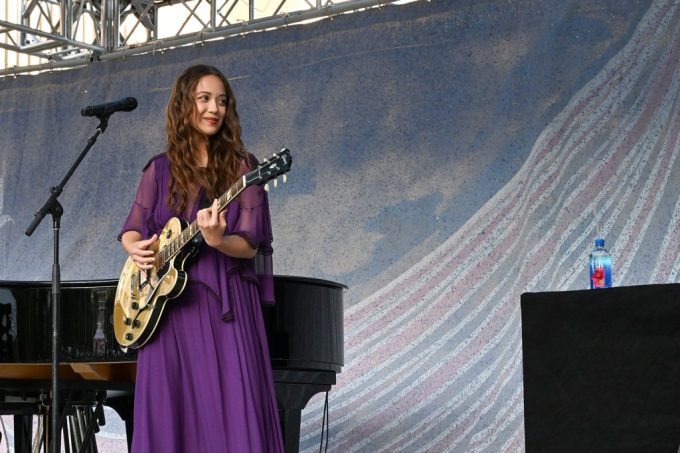
Laufey’s Opening Night Show at LA’s Crypto.com Arena: Best Moments
Laufey opened a two-night stand at Crypto.com Arena in downtown Los Angeles...
 Chris Marks6 Mins read
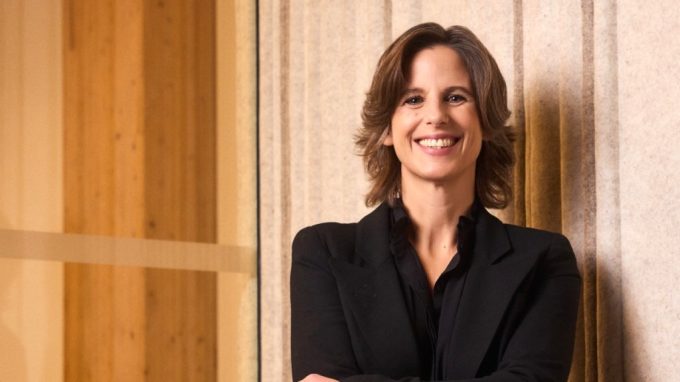
Julie Adam Is Billboard Canada Women in Music’s 2025 Exec of the Year
Julie Adam is having a milestone year — and it’s getting even...
Chris Marks4 Mins read
Spinal Tap Tribute Album with Foo Fighters,Tool for Teen Cancer America
Spinal Tap may be a fake band, but its music is very...
Chris Marks2 Mins read
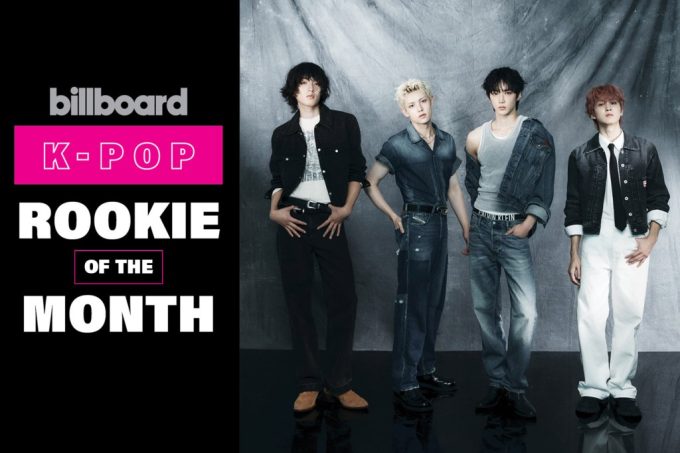
AxMxP Is K-Pop Rookie of the Month for September: Exclusive Photos
Ha Yoo Joon Image Credit: Chin Soyeon You debuted on Sept. 10....
Chris Marks2 Mins read




Leave a comment