

Stage Left: When Empathy Steals the Spotlight
Katy Perry halted her show to aid a collapsing fan—but the spectacle of sincerity raises a darker question: when does compassion become a brand extension?
 Joseph BennettAugust 4, 20252 Mins read28
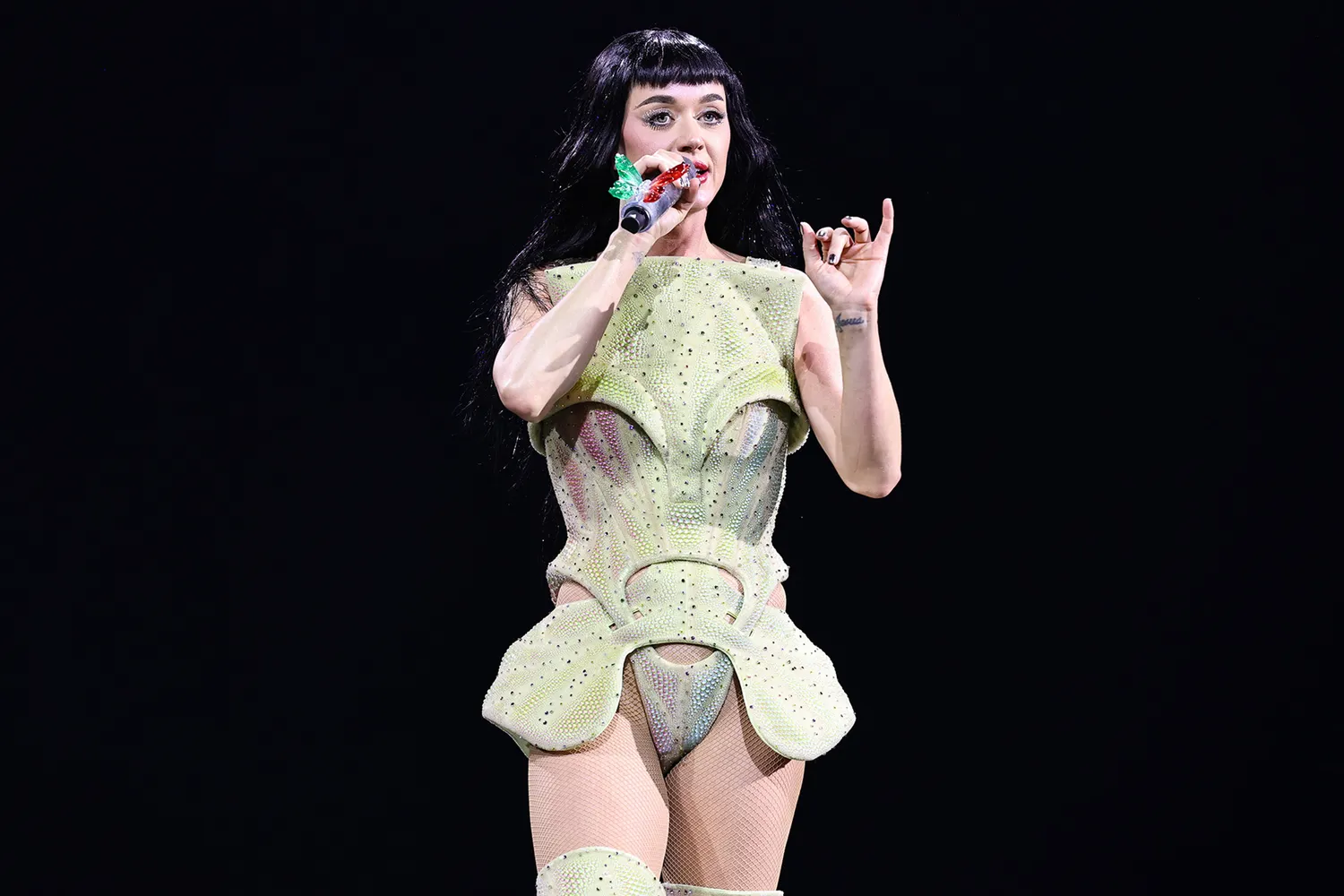
She descended like a vision, her mic still hot, her heels still high. A fan had collapsed in front of her during a Sydney show—a moment that could’ve vanished into chaos. But Katy Perry did not vanish. She stepped forward, offered water, whispered reassurance. For an instant, the pop star became something closer to a parish nurse—glittering, poised, saintly. The music stopped. The myth deepened.
Cameras captured every detail: the soft grip of her hand, the comfort-laced tone in her voice, the wide-eyed hush that fell over thousands. And then came the online beatification. “Queen energy.” “She’s so real.” “Mothering us all.” But behind the sweetness of the scene, a stranger pulse flickered: was it real kindness, or a new genre of performance—empathy as encore?
Halo Effects and Unconscious Scripts
This wasn’t the first time we’ve seen a star bend to help a fan. Beyoncé once halted a song for a falling crowd member. Harry Styles passed out water in a viral clip. Even Madonna has paused her clockwork shows to address an unwell fan. These moments feel unscripted, and maybe they are—but they’re also irresistibly cinematic, built for a media landscape that treats kindness like clickbait.
And Perry knows how a moment lives beyond its moment. “I just want to make sure you’re okay,” she told the fan. Her voice was steady. Her posture theatrical. The quote hit headlines within minutes. Perhaps it was muscle memory. Or perhaps it was the quiet instinct every modern celebrity is taught: the next most valuable currency—after beauty—is believability.
We are in an age where fans crave the unscripted. But even that craving has been calculated. We don’t want polish—we want intimacy with polish. And pop stars, ever adaptable, give us what we want: curated breakdowns, camera-ready generosity, and the glow of concern wrapped in highlighter.
Theatrics of Tenderness
There’s a reason this image of Perry kneeling rings louder than the song she paused. We live in an era that distrusts power but worships the illusion of humility. What’s more magnetic than a woman who commands a stage and still kneels to check a pulse? What’s more modern than a goddess who shows she can bleed?
But does compassion lose its edge when it’s performed under spotlight? Or do we—jaded, digitally wired—require it to be performed in order to believe it exists at all?
It’s easy to say, “She cared.” And perhaps she did. But it’s equally true that the machinery around her—record labels, PR agents, the billions in concert commerce—also cared that we saw her care.
The fan, we’re told, is okay. She was escorted offstage gently, anonymously. She may never speak about the moment again. But the moment is no longer hers. It belongs now to the myth of Katy Perry—an icon who can pause her own universe long enough to cradle yours.
And so we are left with a question that won’t trend but lingers nonetheless: when a pop star shows her humanity in front of thousands, is it still hers?
Or did she give it away the moment the cameras started to roll?






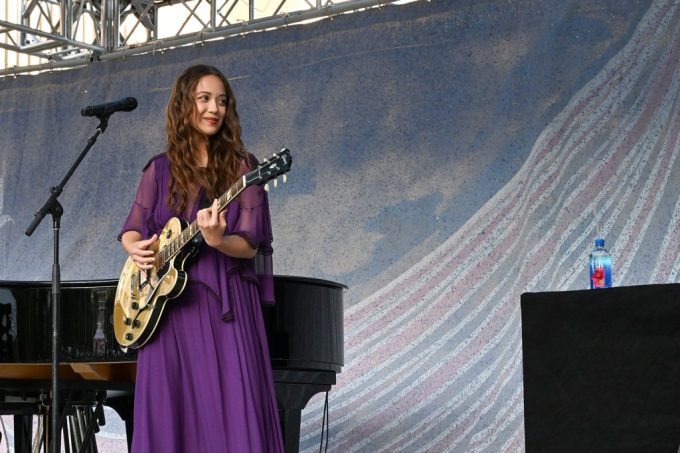
Laufey’s Opening Night Show at LA’s Crypto.com Arena: Best Moments
Laufey opened a two-night stand at Crypto.com Arena in downtown Los Angeles...
 Chris Marks6 Mins read
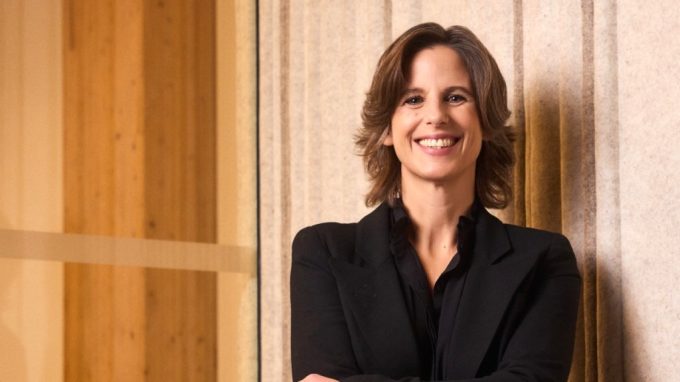
Julie Adam Is Billboard Canada Women in Music’s 2025 Exec of the Year
Julie Adam is having a milestone year — and it’s getting even...
Chris Marks4 Mins read

Spinal Tap Tribute Album with Foo Fighters,Tool for Teen Cancer America
Spinal Tap may be a fake band, but its music is very...
Chris Marks2 Mins read
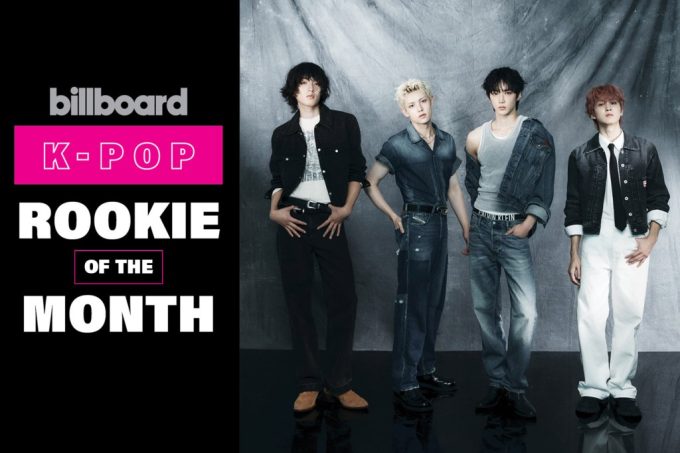
AxMxP Is K-Pop Rookie of the Month for September: Exclusive Photos
Ha Yoo Joon Image Credit: Chin Soyeon You debuted on Sept. 10....
Chris Marks2 Mins read





Leave a comment